Custom Acetate Optical Frames Engineered for Prescription Performance
Stable structure, precise lens fitting, and long-term comfort — built for independent brands and scalable optical collections.

Who We Build Acetate Optical Frames For
A Good Fit If You Are
- — Independent eyewear brands building prescription-ready collections
- — Designers who care about fit, comfort, and optical performance
- — Brands planning long-term optical lines (not one-off drops)
- — Teams that value engineering consistency and repeatability
Not the Right Match If You Need
- — One-piece personal orders
- — Replica or branded copy requests
- — Ultra-low-budget promotional eyewear
- — Projects without sampling or development stage
What Is Acetate for Optical Frames?
Acetate is a plant-based sheet material widely used in premium optical frames.
Its layered structure allows precise shaping, polishing, and adjustment.
Ideal for prescription lenses and long-term daily wear.
Beyond aesthetics, acetate allows precise lens groove control, heat-based adjustment, and long-term shape retention — making it ideal for prescription eyewear when engineered correctly.

Why Choose Acetate for Optical Frames
Structural Stability for Lenses
Maintains lens fitting integrity with proper groove design and thickness control.
Skin-Friendly & Comfortable Touch
Natural material with smooth finish, ideal for all-day contact with skin.
Shape Retention for Daily Wear
Holds form well under normal use when engineered correctly.
Premium Look for Optical Collections
Refined appearance that elevates optical frame positioning.
Acetate vs Other Optical Frame Materials
Material choice affects lens fitting, comfort, and long-term performance.
| Feature | Acetate | Injection (TR/PC) | Metal |
|---|---|---|---|
| Lens Fitting Compatibility | High precision control | Good consistency | Excellent precision |
| Long-term Shape Stability | Good with proper design | Very stable | Excellent |
| Adjustability | Moderate, heat-based | Limited | High flexibility |
| Wear Comfort | Skin-friendly, smooth | Lightweight, consistent | Light, varies by design |
| Typical Optical Positioning | Premium to luxury | Entry to mid | Mid to premium |
| Best Use Case | Premium optical frames & brand collections | Lightweight mass products | Adjustable optical frames |

Key Engineering Points for Optical Frames
Optical frames succeed or fail at the engineering level — not just the design stage.
- Rim thickness and lens groove control
- Bridge geometry and nose load balance
- Temple tension and opening angle
- Hinge durability for daily adjustment
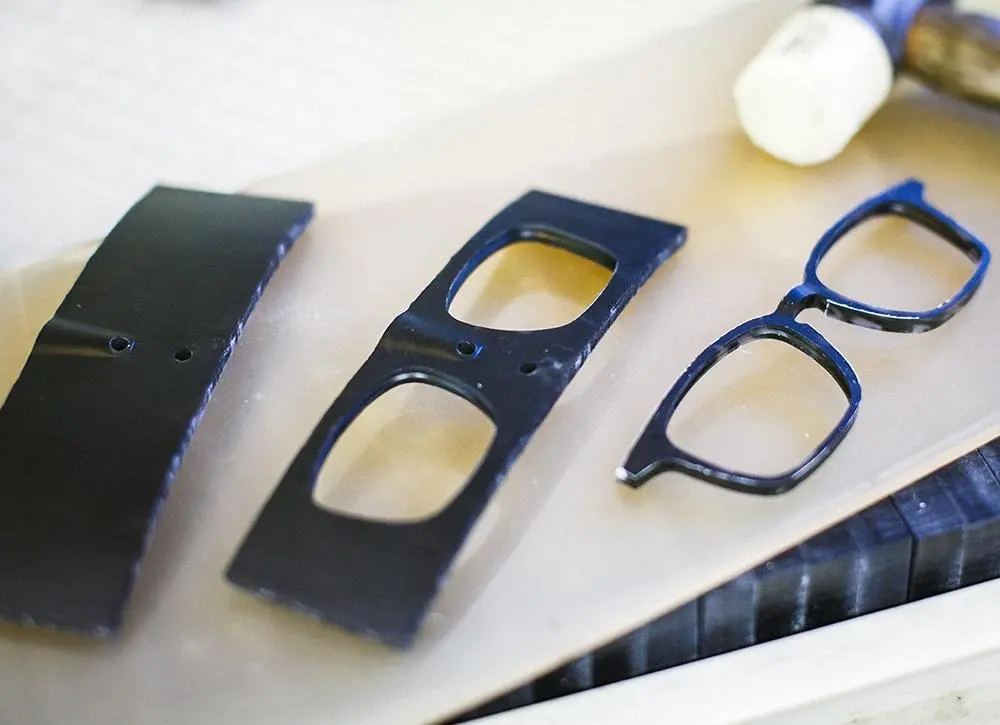
How Acetate Optical Frames Are Made
Acetate Selection
Color, pattern, and thickness are selected to match design intent while meeting structural and performance requirements.

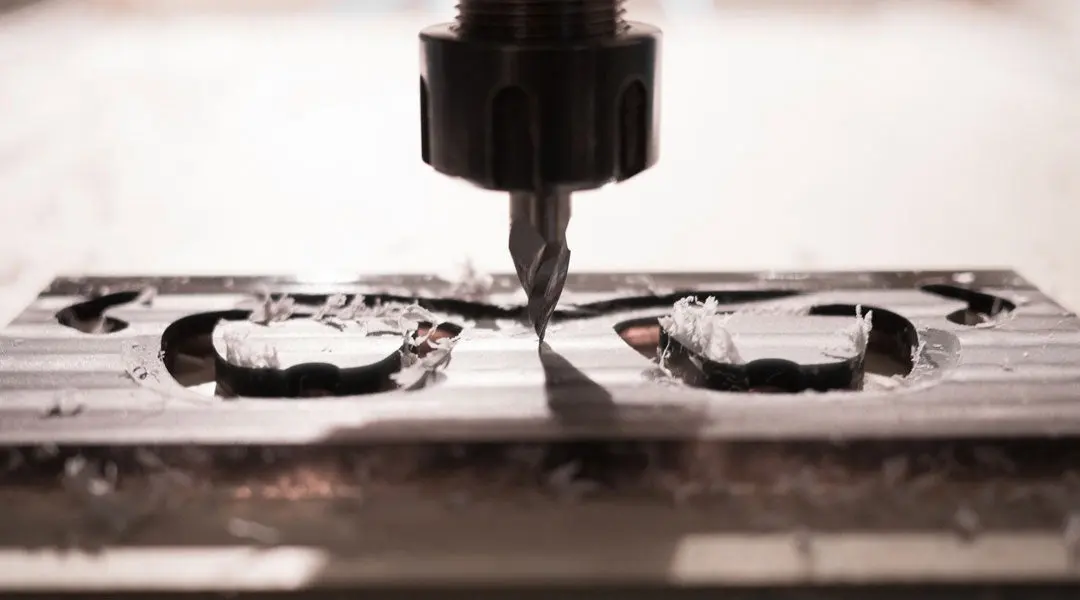
CNC Cutting
Precision CNC cutting of fronts and temples ensures dimensional accuracy and repeatability across production runs.
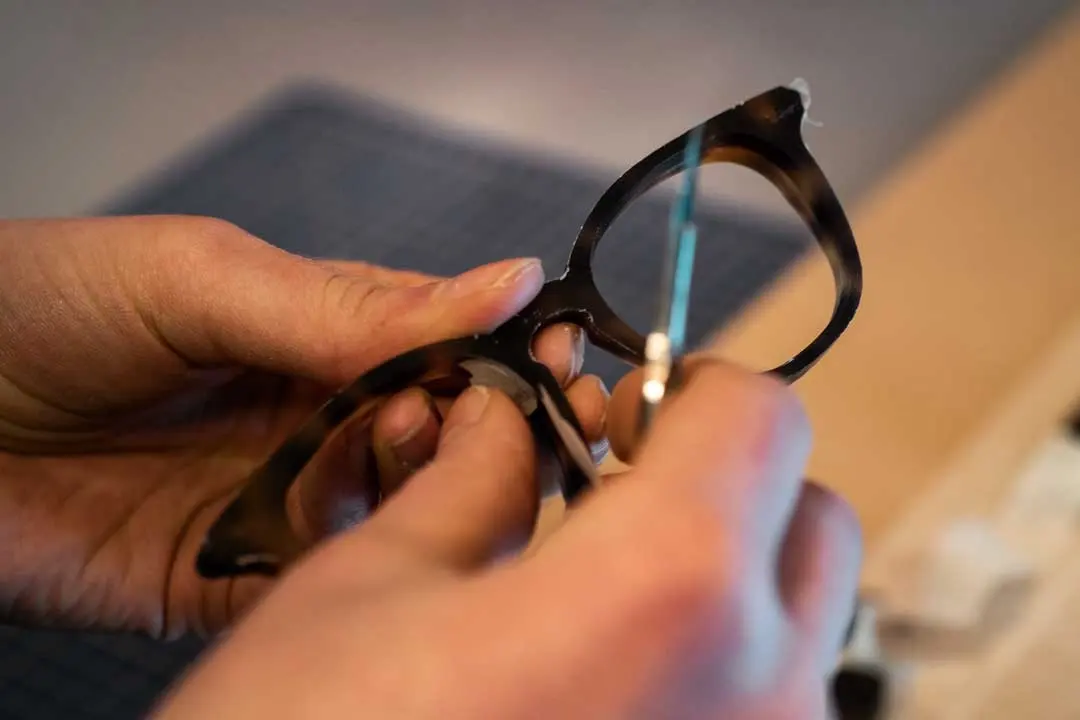
Forming & Fitting
Controlled heat forming and pre-assembly fitting ensure consistent shape, long-term comfort, and frame alignment.
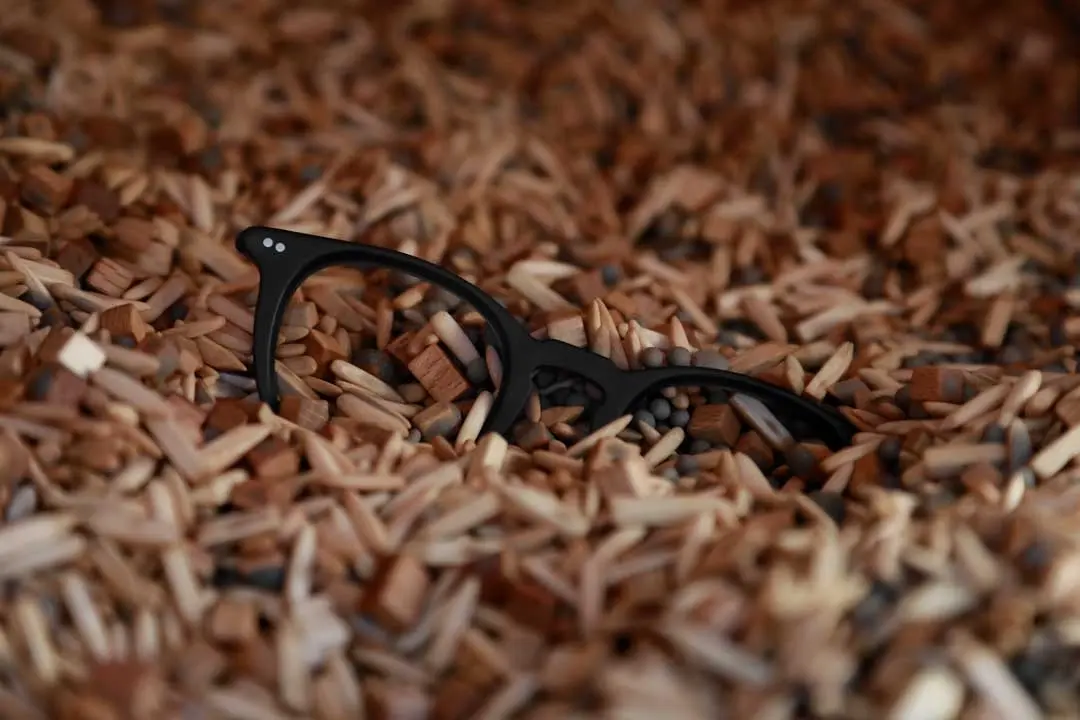
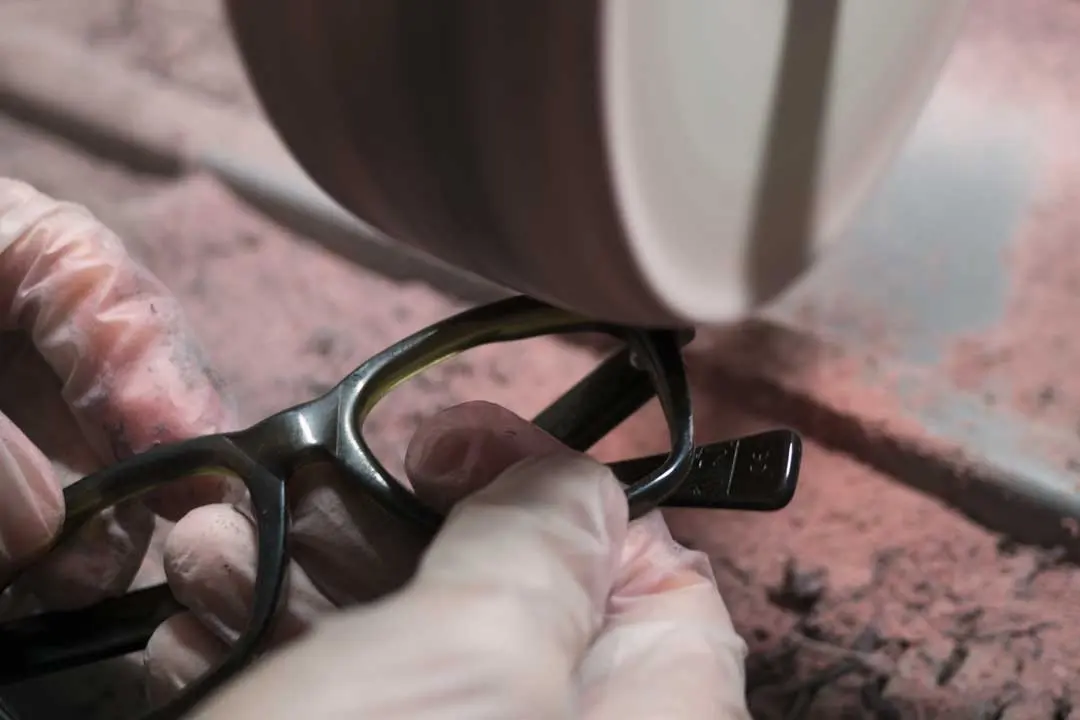
Tumbling
Progressive tumbling smooths edges, refines contours, and prepares surfaces for final finishing and uniform surface texture.
Hand Polishing
Hand polishing enhances depth, gloss, and tactile quality, defining the visual and tactile character of premium acetate frames.
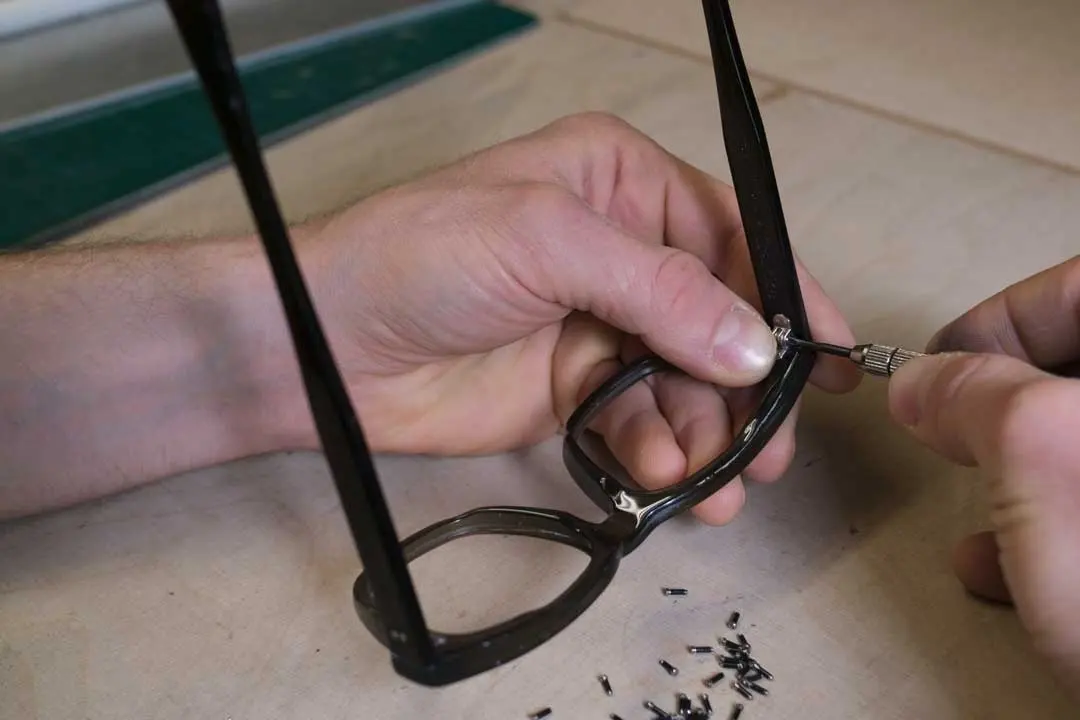
Assembly & Inspection
Hardware assembly, alignment verification, and final inspection ensure each frame meets functional and aesthetic standards.
Representative Acetate Eyeglasses Frames Projects
Examples shown for reference only.
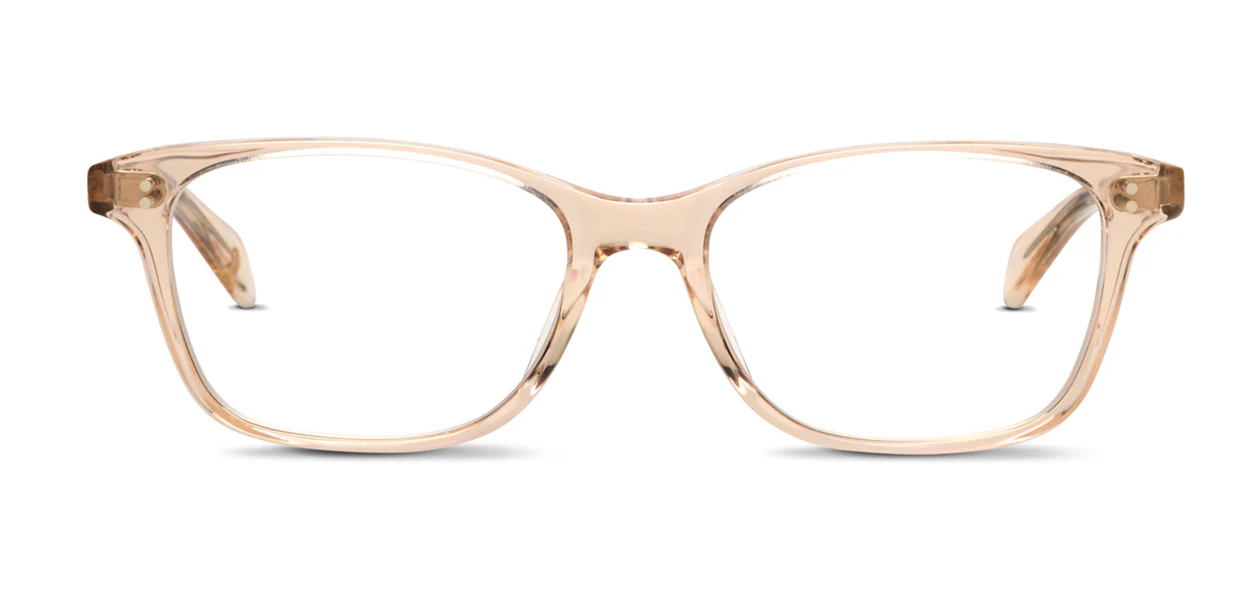
Stable geometry designed for consistent lens fitting.
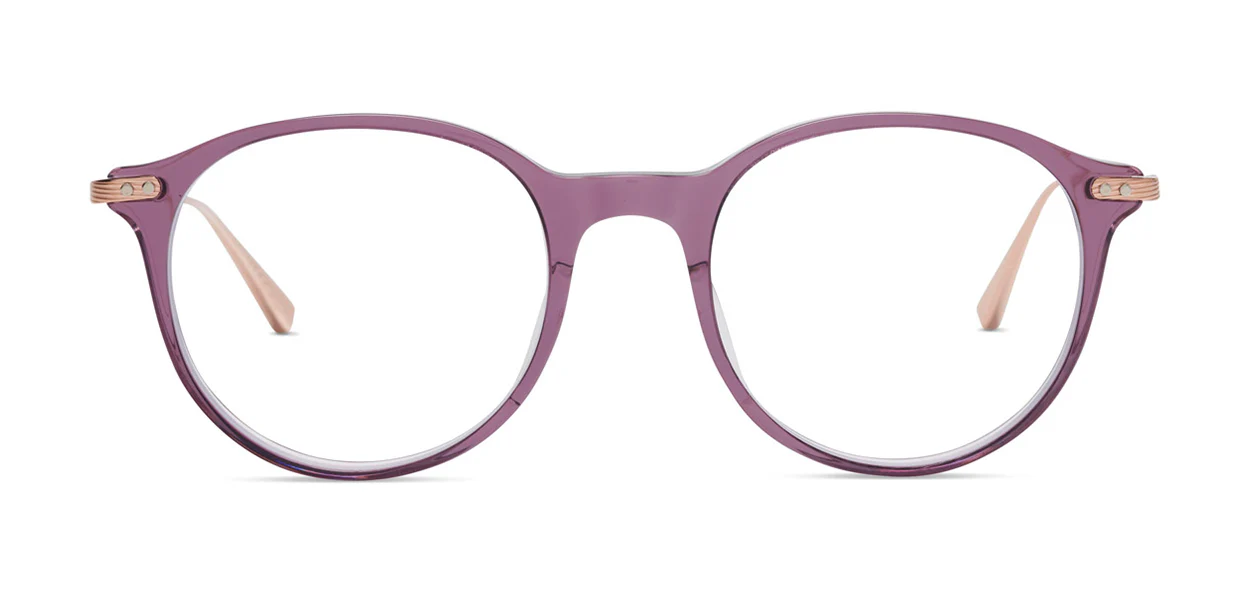
Optimized thickness distribution for all-day comfort.
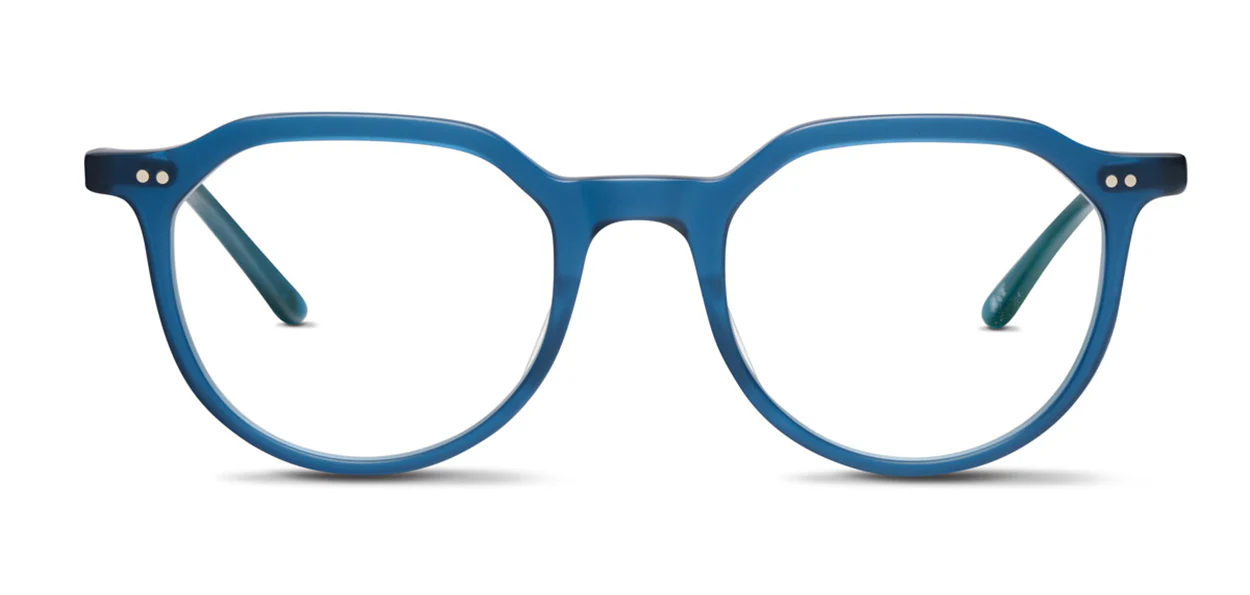
Engineered bridge design for better balance and adjustment.
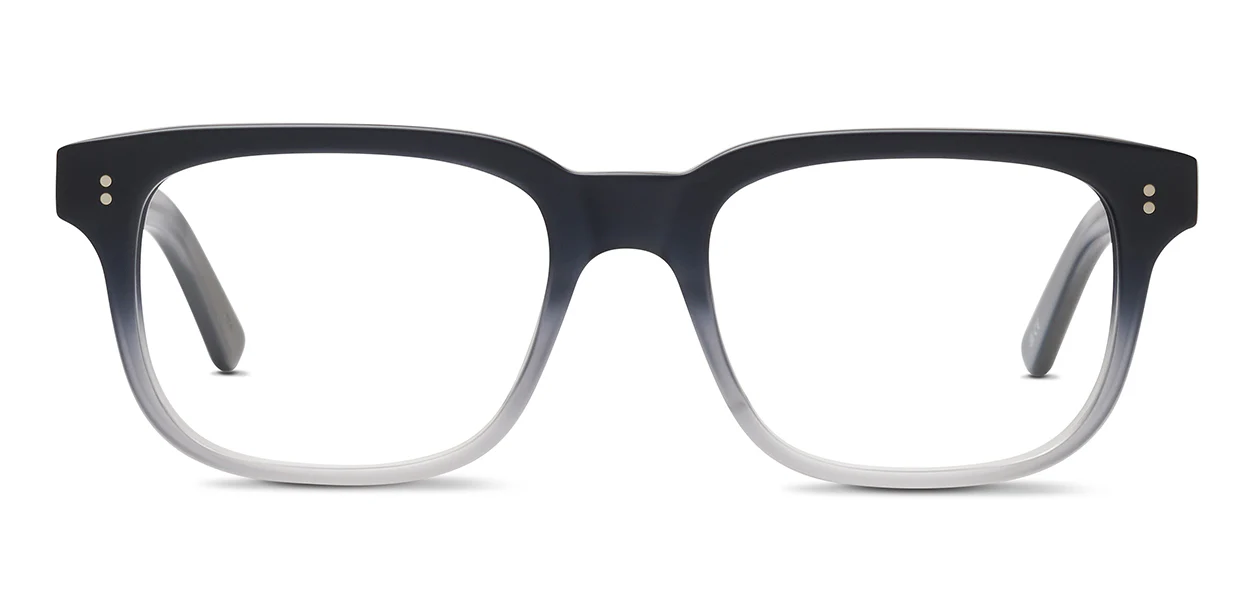
Expressive design balanced with optical manufacturability.
Comfort & Fit Matter More in Optical Frames
- Balanced weight distribution reduces pressure points
- Proper bridge and temple design improve long-term comfort
- Optical frames should feel stable from morning to night

Customization Options for Optical Frames
- Frame shape, size, thickness
- Bridge width and geometry
- Temple length and curvature
- Optical lens compatibility
- Branding and packaging


Designed for First-Time Optical Production
We understand that the first optical frame order carries risk —
fit accuracy, lens compatibility, comfort, and production consistency all matter.
That's why we structure every first project with:
- Mandatory sampling before bulk production
- Technical drawings approved before cutting
- Controlled pilot runs before scaling
- Clear documentation from sample to mass production
This reduces rework, returns, and after-sales issues for growing brands.
Engineering & Sampling Support
- Optical DFM evaluation
- Left-right symmetry control
- Sample-to-production consistency
- Documented iteration process
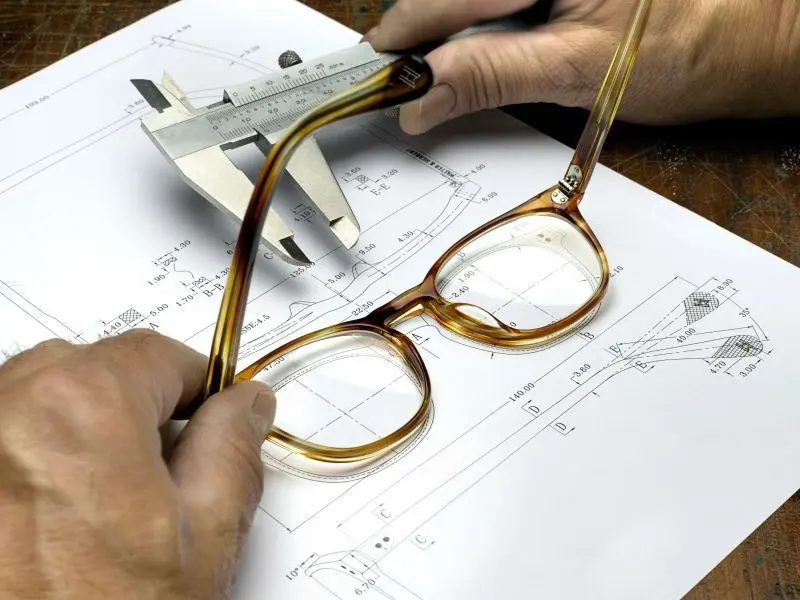
Quality & Compliance for Optical Markets
Material safety and skin-contact compliance awareness.
QC processes for export optical markets.
MOQ & Project Timeline
Because first orders carry real risk, we never move to bulk production without controlled validation.
Inquiry
Initial consultation
Design & DFM
Engineering review
Sampling
Prototype development
Pilot Run
Pre-production testing
Mass Production
Full-scale manufacturing
MOQ and lead time vary by design complexity.
Why Sailook for Acetate Optical Frames
- Stable quality for long-term collections
- Engineering-first development approach
- Reliable production and delivery control
- Material expertise and compliance awareness
- Clear communication and project management
- IP protection and long-term responsibility

FAQ
Yes — when properly engineered with correct rim thickness and lens groove design.
Through bridge geometry, weight distribution, and temple tension control during development.
Acetate frames allow heat-based adjustment when designed with appropriate material thickness.
Yes — MOQ depends on design and components; we can start small and scale.
Material safety, nickel release control, and skin-contact compliance based on target markets.
Yes — cases, cloths, and retail-ready sets can be developed to match brand identity.
What Happens After You Reach Out
Concept Review
Review your concept, target market, and requirements
Engineering Feedback
Engineering feedback on structure & feasibility
Sample Plan
Sample plan + timeline confirmation
Production Roadmap
Technical drawings → sample → production roadmap
No pressure. No obligation. Just a clear development path.
Get in Touch
Ready to Develop Your Acetate Optical Frames Collection?
Share your concept, target market, and quantity range — we'll respond with a practical development plan.