PC SUNGLASSES MANUFACTURER
PC (Polycarbonate) Sunglasses Manufacturer
Impact-Resistant Frames and Lenses Engineered for Safety, Sport, and Promotional Programs
Polycarbonate is the standard material wherever eyewear needs to meet a genuine impact-resistance standard — built for repeatable geometry, dependable structure, and stable supply across scalable programs.
Overview
What PC (Polycarbonate) Sunglasses Mean
Polycarbonate is one of the only materials in eyewear that functions as both a frame material and a lens material. As a frame, PC is injection-molded — heated resin injected into a steel mold — competing with TR90 and other injection plastics. As a lens, PC competes with CR-39, TAC, and glass, valued specifically for its near-unbreakable resistance to shattering.
If your program needs eyewear that reliably meets a genuine impact-resistance standard — safety glasses, sports eyewear, kids' eyewear, or high-volume promotional product — PC is the material built for that requirement.
For frame-only applications prioritizing flex-and-recover comfort over lens-grade impact resistance, TR90 may be a better fit — we'll advise honestly on which material suits your specific program.

Two Roles, One Material
PC Frame vs PC Lens — Why the Distinction Matters
Most content treats "PC sunglasses" as a single category. It isn't — the relevant performance properties differ depending on which application is intended, and your brief should specify which one (or both) you need.
Injection-molded into the front frame and temples, competing with TR90 and nylon for the same structural role. Tolerates flex and twisting well — a frame that gets sat on or bent during active use has a real chance of returning toward its original shape rather than cracking.
Relevant properties: flexibility, impact resistance, hinge durability
Molded into the optical element itself, competing with CR-39, TAC, and glass. Up to 10× more impact-resistant than standard plastic lenses, inherently UV-blocking, and the standard choice wherever a shattered lens presents a genuine injury risk.
Relevant properties: optical clarity, light transmission, coating performance
A brief that simply says "PC sunglasses" leaves this distinction for the manufacturer to assume. Specify frame, lens, or both — read our full breakdown in What Is PC (Polycarbonate)? The Material Behind Safety and Sport Eyewear.
Why PC
Why Brands Choose Polycarbonate
Highest impact resistance
Roughly 10× more impact-resistant than acetate — the property behind PC's role in safety, sport, and kids' eyewear.
Inherent UV protection
Polycarbonate naturally blocks UV radiation without requiring an additional applied coating for that specific function.
Cost-efficient at volume
The lowest-cost injection material at promotional volume, with repeatable geometry across production runs.
Advantages
Key Advantages for Safety and Sport Programs
Drop-Ball Test Performance
When properly manufactured, PC frames reliably meet or exceed FDA drop-ball impact testing and similar global standards.
Lightweight Structure
Lighter than metal and most acetate, supporting all-day comfort for active and youth wearers.
Repeatable Shape Control
Mold-controlled geometry stays consistent across batches and seasonal runs.
Lens + Frame in One Material
One of the few materials suitable for both frame and lens, simplifying sourcing for impact-rated product lines.
Material Comparison
PC vs TR90: How They're Actually Different
Both are injection-molded plastics in a similar cost tier, but they are chemically distinct and suited to different parts of an eyewear line.
PC's Strength Is Impact Resistance and Lens-Grade Application — TR90's Is Flex-and-Return Comfort
| Property | PC | TR90 |
|---|---|---|
| Chemical family | Polycarbonate | Nylon-12 (Grilamid) |
| Primary strength | Impact resistance | Flexibility with memory return |
| Lens use | Common, standard material | Not typically used as a lens material |
| Frame flex behavior | Flexes and resists fracture | Flexes further, returns to shape |
| Best for | Safety-certified eyewear, lens + frame programs | Sport, kids', fashion frames where all-day flex matters most |
PC is generally the more complete specification when the product needs to function as genuine impact-rated safety or sport eyewear — both lens and frame — since TR90 is not standardly used as a lens material. For frame-only programs where all-day comfort and bend-and-return behavior matter most, see our dedicated TR90 sunglasses page and our detailed PC vs TR90 comparison guide.
Design Capabilities
Design Possibilities with PC Molding
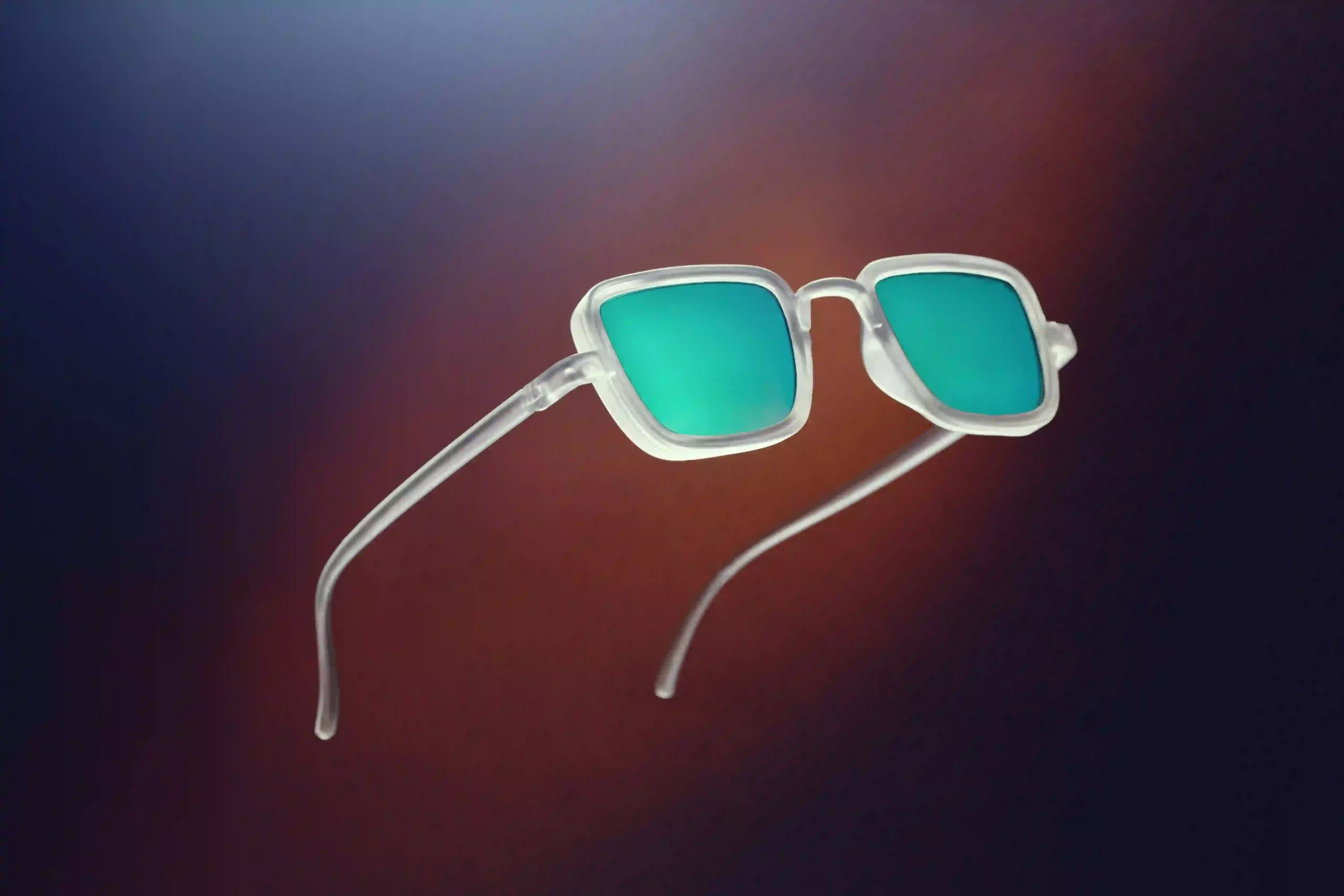
PC's flexibility supports curved, wraparound, and shield profiles that more rigid materials can't achieve as easily — useful for sport and safety-positioned silhouettes.
Curved and wraparound profiles for sport coverage
Clean geometry suitable for classic and modern silhouettes
Controlled thickness transitions for structured looks
Mirror, gradient, and polarized lens combinations




Engineering
Engineering-First Tooling for Stable Long-Term Production
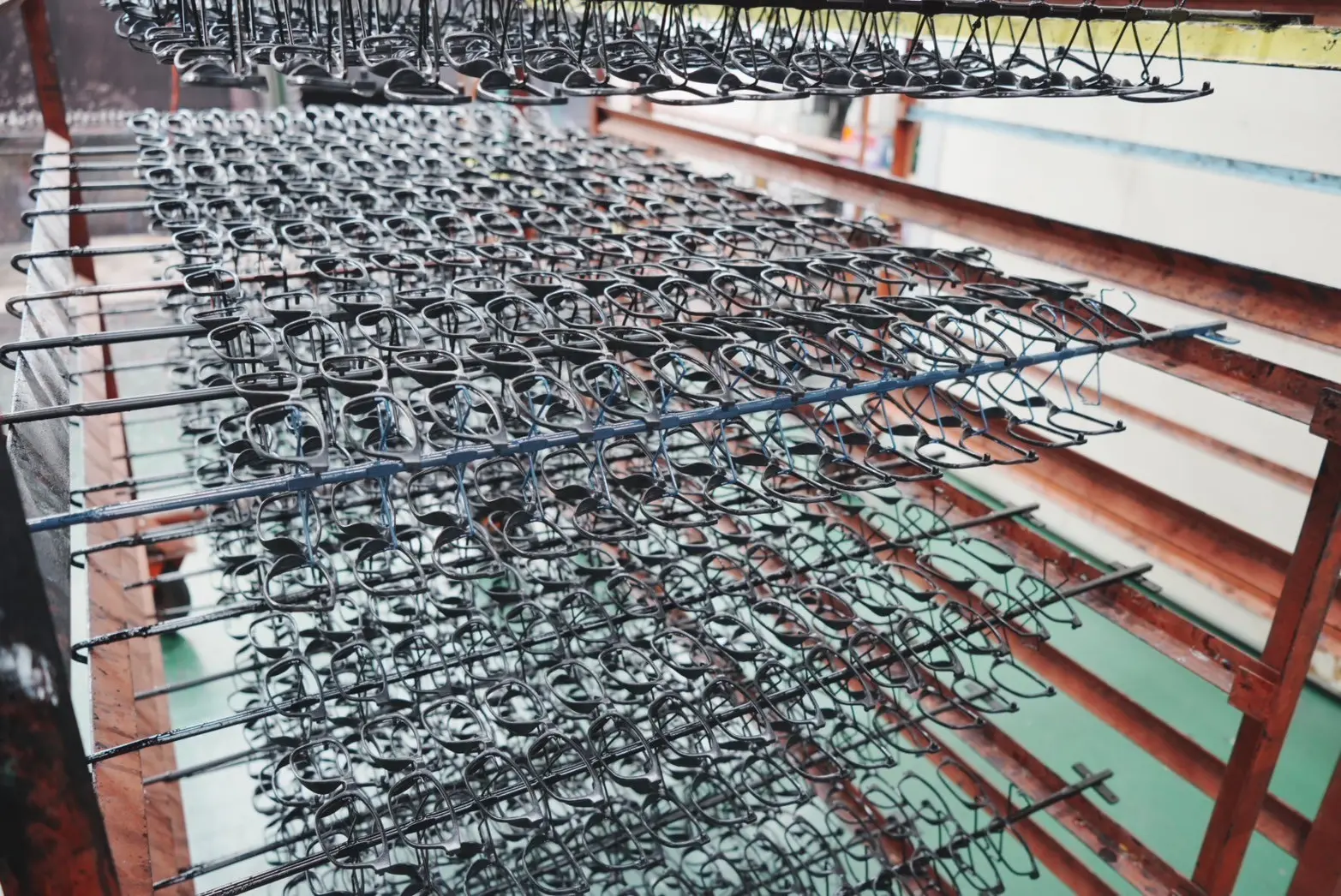
In PC injection programs, tooling and structural planning determine how consistent production will be. We plan geometry, wall thickness, and assembly points to support repeatable outcomes — and impact performance — over time.
Tooling design aligned with frame geometry and fit targets
Wall thickness mapping to support impact performance
Hinge and interface planning for stable assembly
Parting-line and surface planning for consistent presentation
Cavity and batch control checks for repeatability
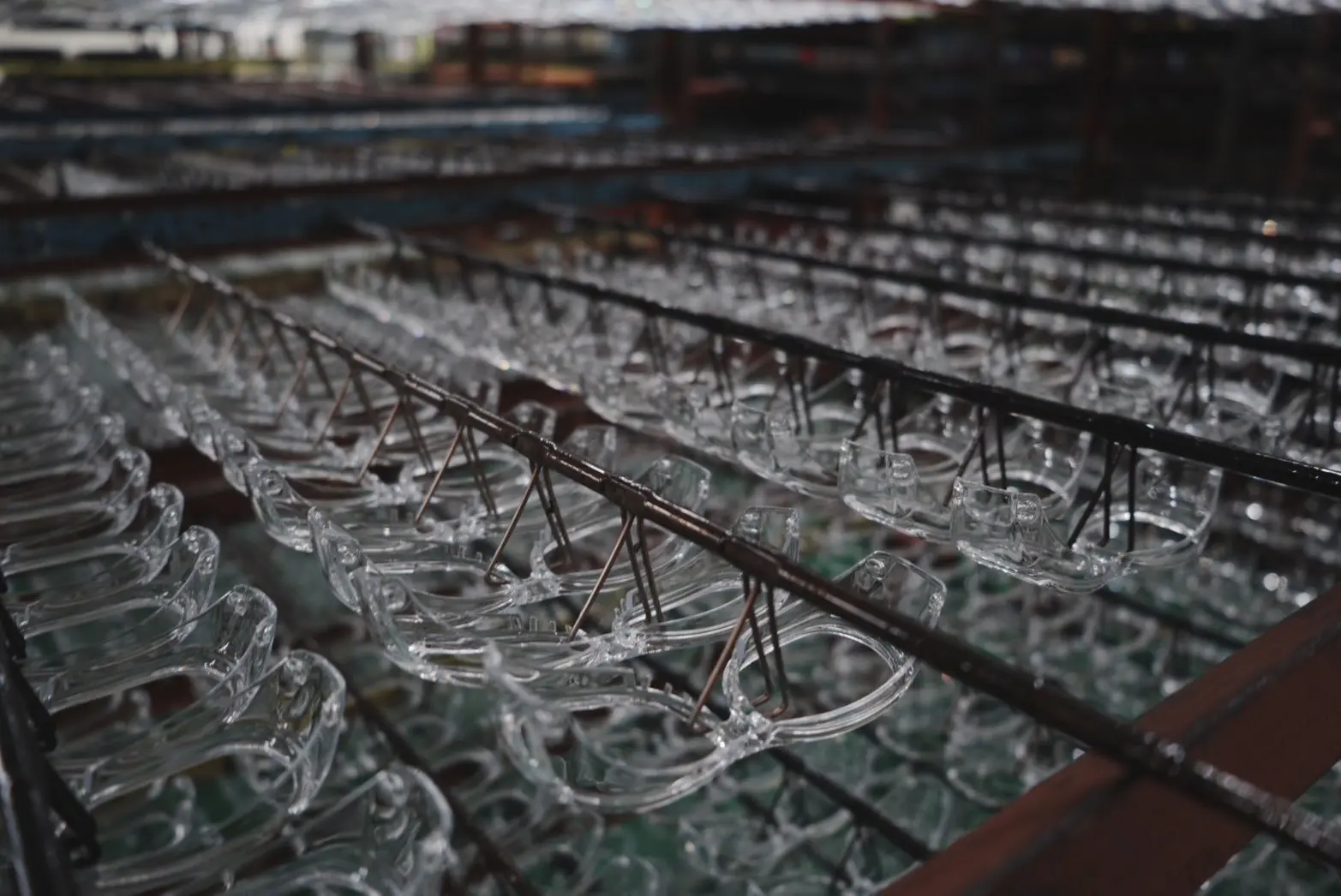
Production Process
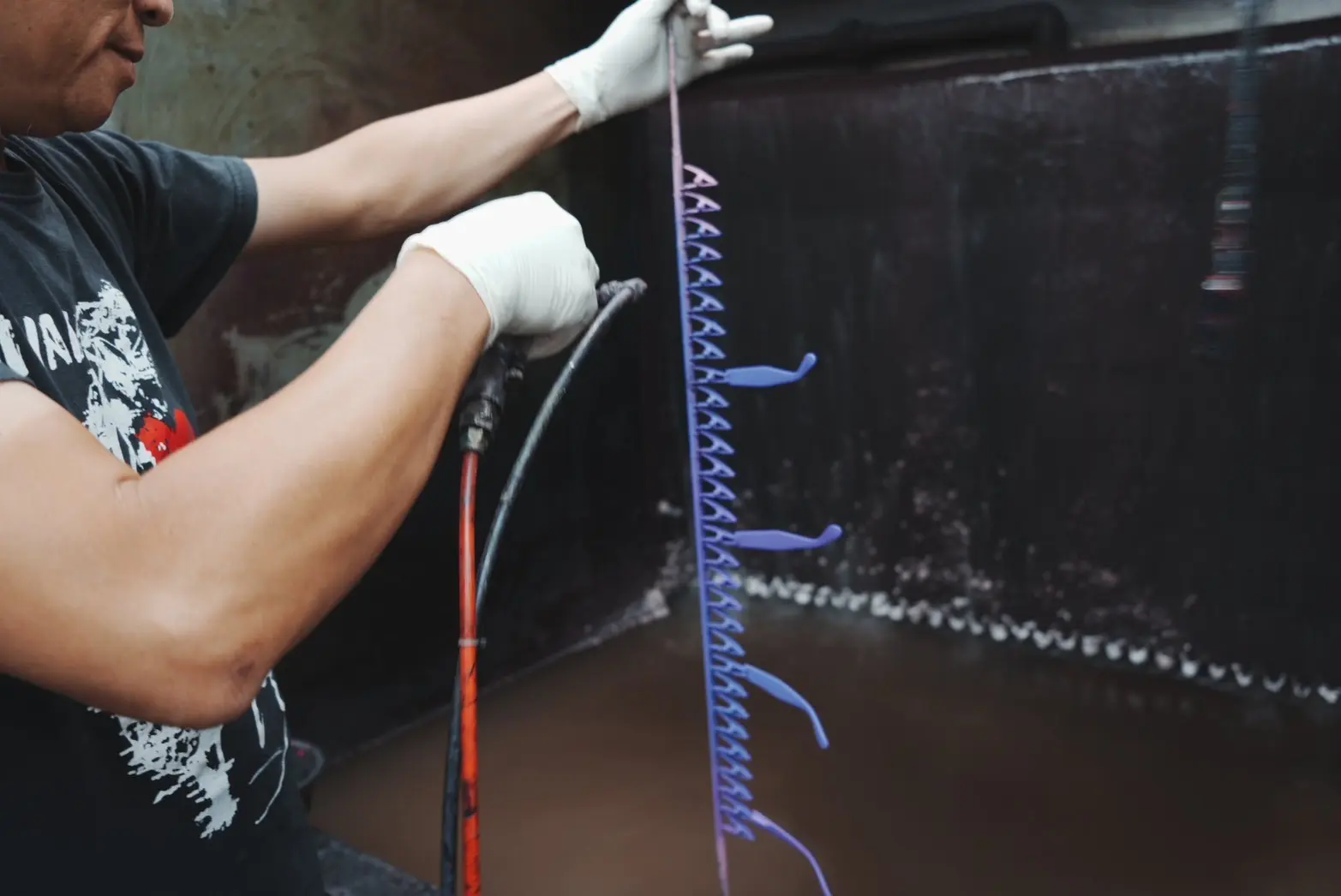
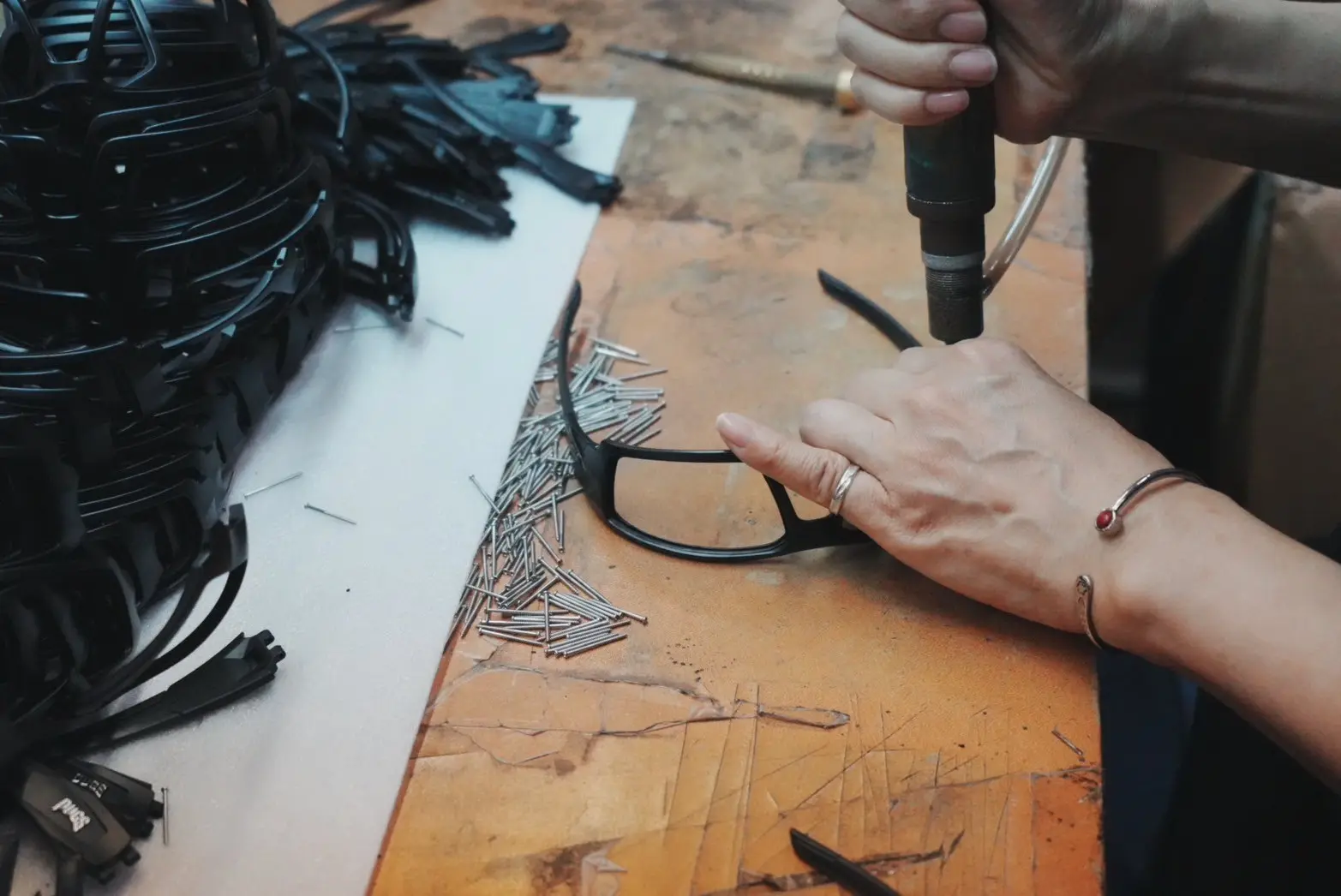
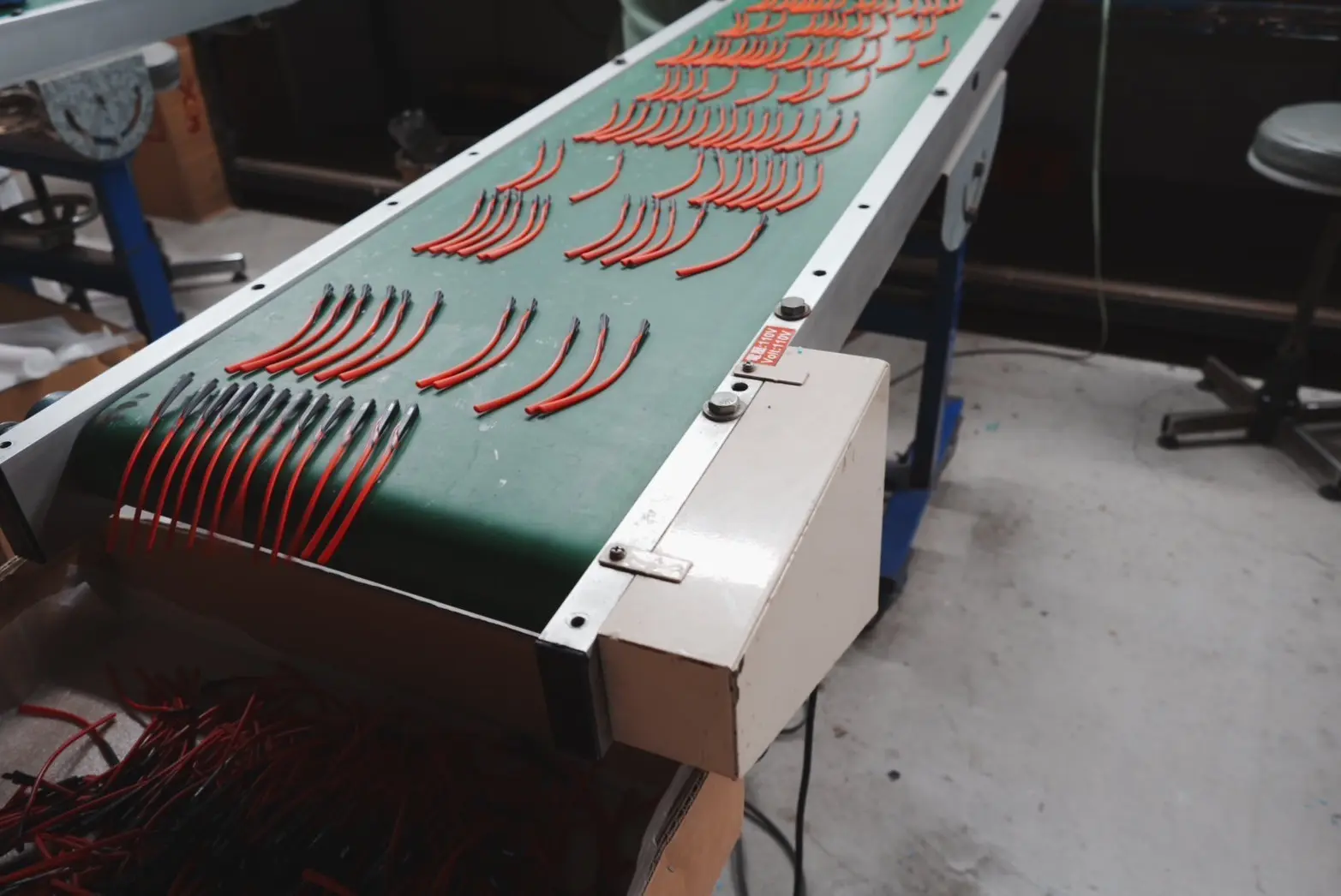
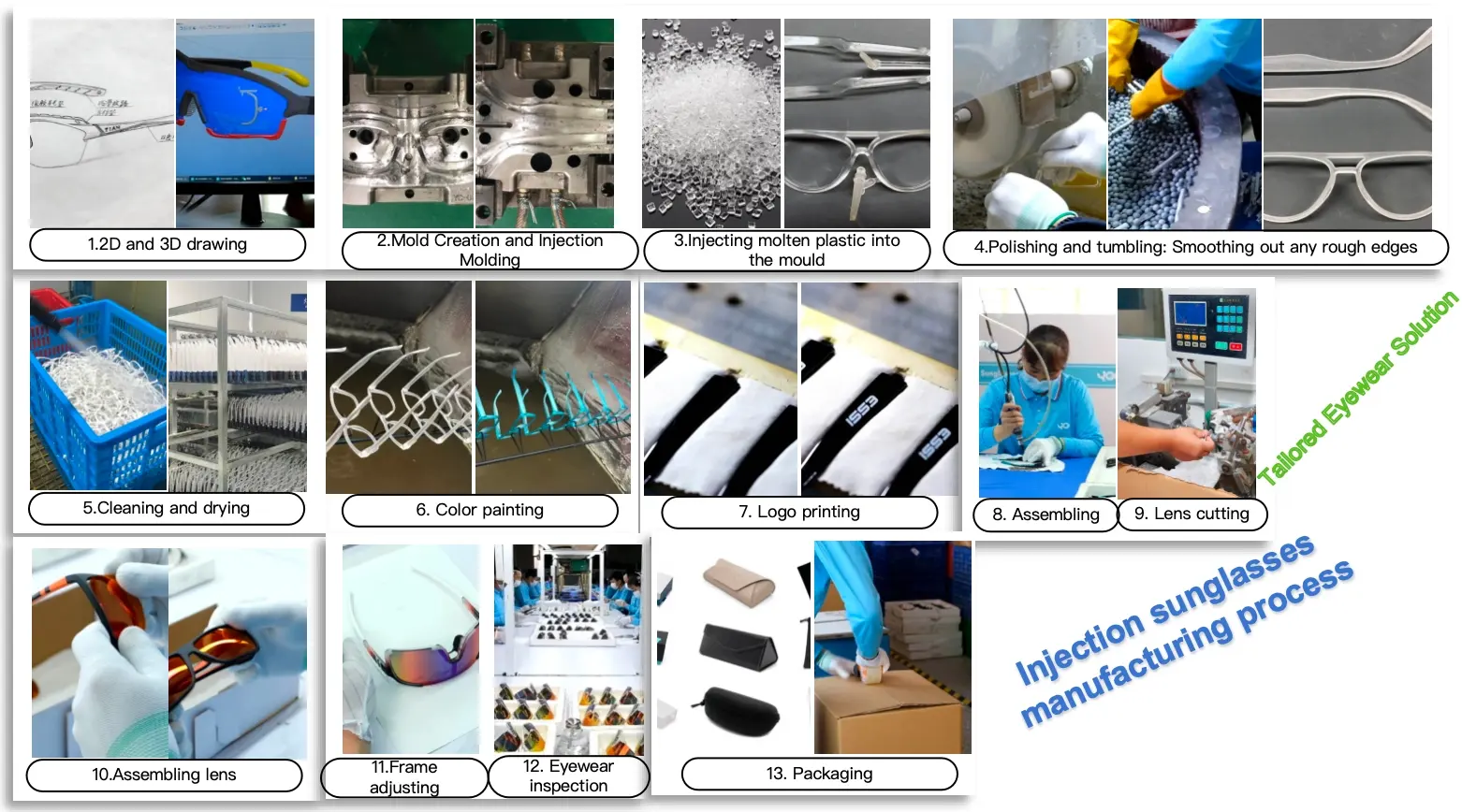
Production Flow for PC Sunglasses
Unlike generic factories, our production flow is designed around program planning, not one-off output.
Material & Application Definition
Tooling Design & Development
Injection Molding
Trimming and Surface Review
Assembly and Fit Tuning
Impact & Quality Inspection
Tooling, surface requirements, lens specification, and program scale influence lead time.
A Question We Get Often
What Safety Standards Should PC Sunglasses Meet?
PC is widely recognized, tested, and accepted across major compliance frameworks for safety and sport eyewear. In the US, the FDA requires sunglasses to pass a drop-ball impact test simulating blunt-force impact — PC reliably meets or exceeds this when properly manufactured.
For sport and protective eyewear specifically, ANSI Z87.1 is the relevant US standard, with equivalent frameworks in other major markets. We'd rather confirm exactly what your target market requires than assume PC alone guarantees compliance — material choice and proper manufacturing both matter.
All PC frames can be tested using the FDA drop-ball method with test reports provided upon request
ANSI Z87.1 and equivalent regional standards apply specifically to sport and protective-positioned eyewear, not all sunglasses
If safety certification matters to your brand, confirm testing documentation with us before bulk production — not after
What We're Direct About
Design Concepts
Representative PC Sunglasses Concepts
Examples shown for capability reference only.
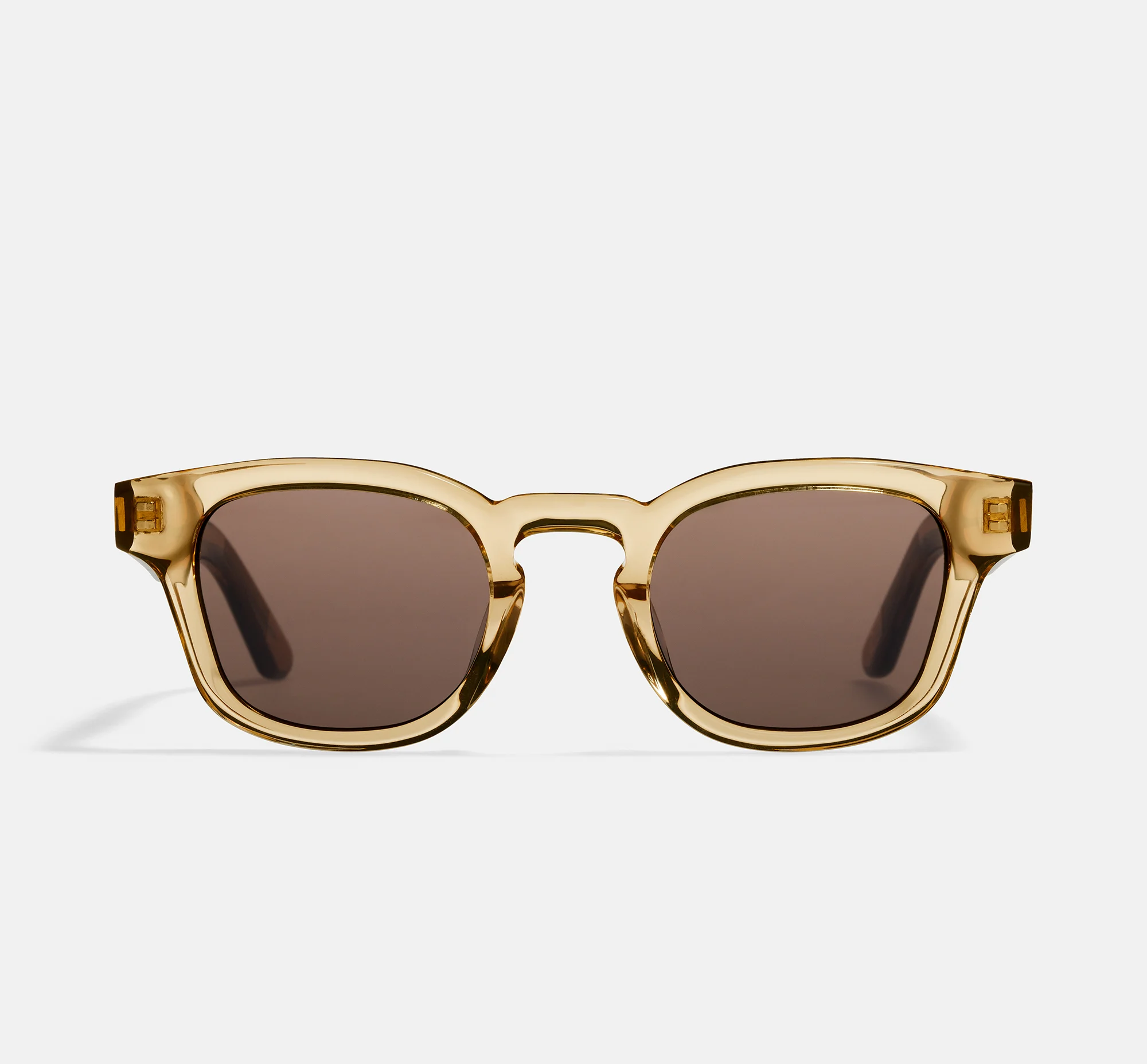
Classic Commercial PC Frame
Polycarbonate frame developed for a wholesale program targeting big-box retail — clean silhouette, 1,200 pcs starting MOQ, designed to hold geometry across repeat seasonal runs.
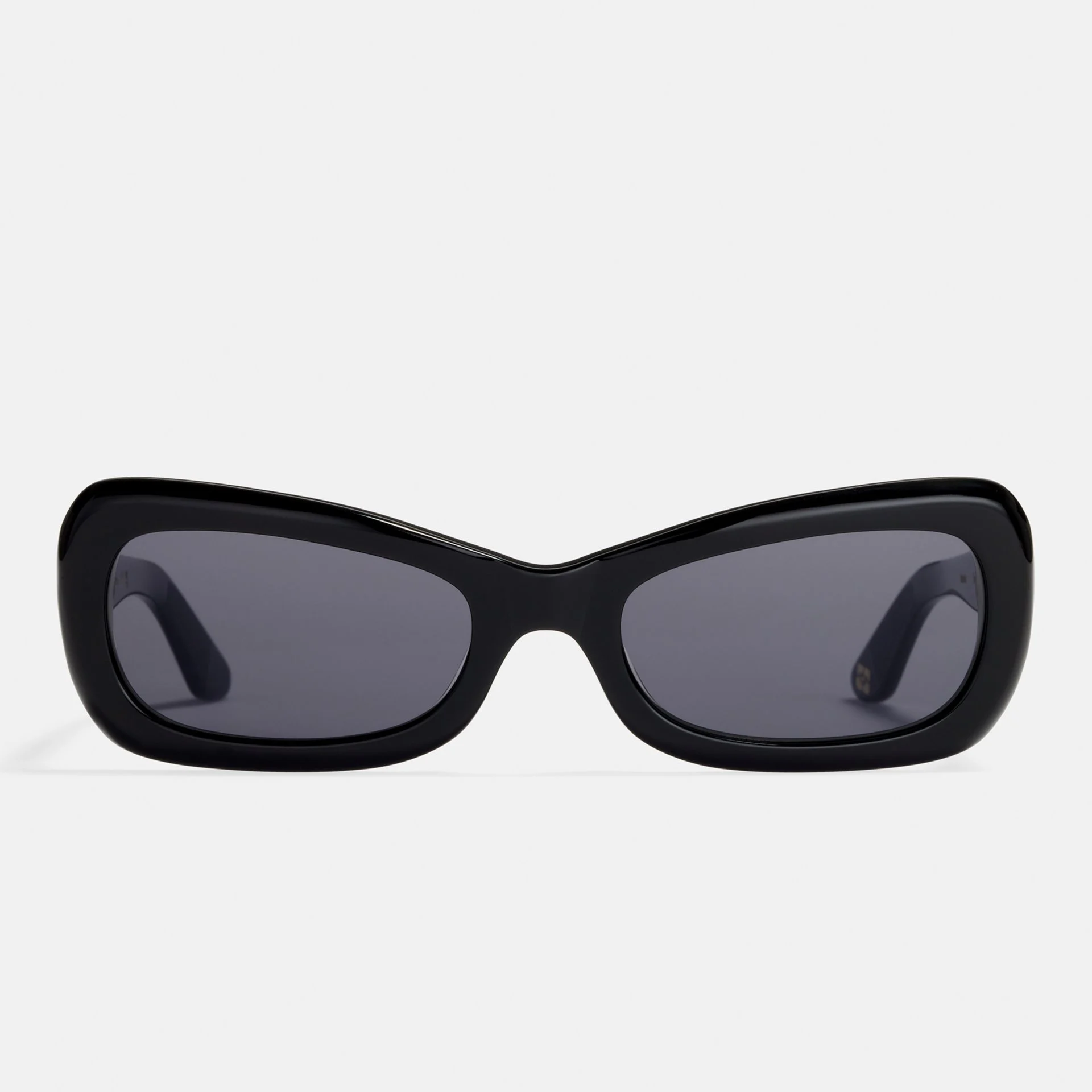
Sport Wraparound, PC Lens + Frame
Full PC construction — frame and lens — for an active-lifestyle brand's performance line, with polarized lenses and ANSI-equivalent impact testing documentation provided.
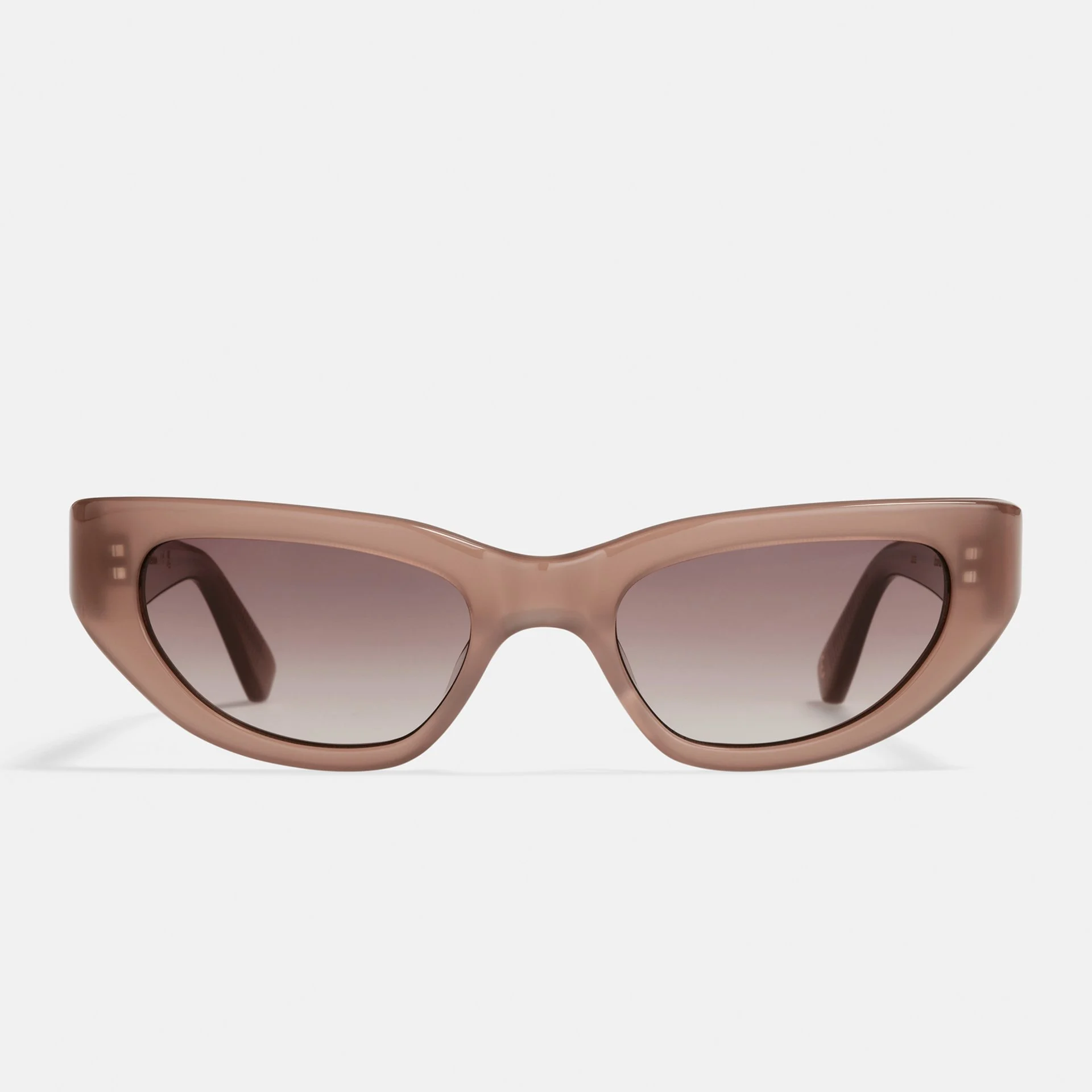
Kids' Safety-Positioned Frame
PC frame and lens combination for a children's eyewear line — prioritizing shatter resistance and lightweight comfort, with parent-facing safety messaging on packaging.
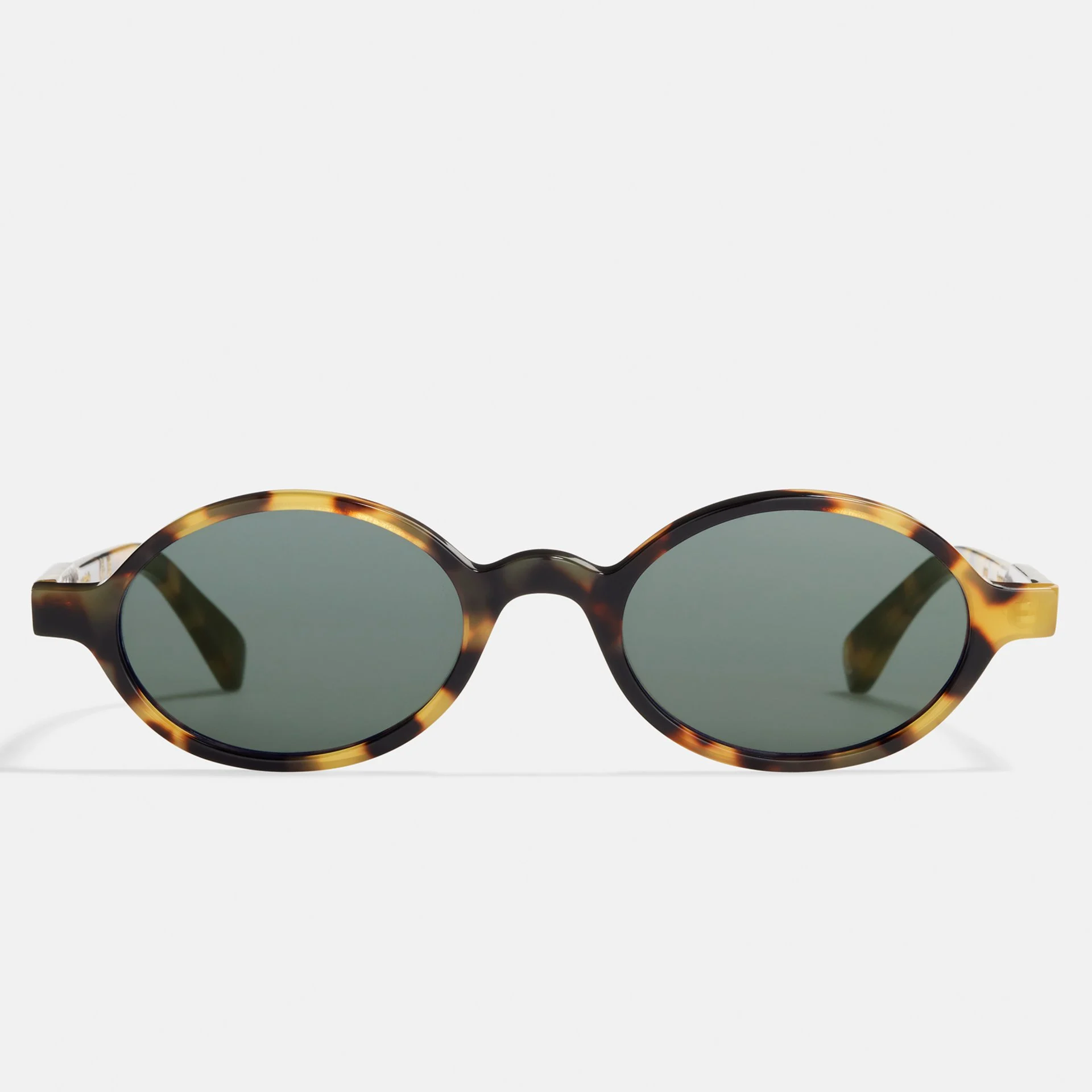
Promotional Volume Program
Single PC tool developed for branded promotional giveaways — cost-efficient at high volume while still meeting basic impact-resistance expectations.
Customization
Customization Options for PC Sunglasses
Develop a scalable, impact-rated frame and lens program with controlled geometry, finishes, and brand details.
Customization is supported within a structure-first framework to protect consistency, impact performance, and scale readiness.
Frame shape, sizing, and coverage
PC frame, PC lens, or both
Wall thickness and impact-performance profile
Color options aligned with release planning
Surface finish (matte, smooth, texture)
Lens spec — UV400, polarized, mirror, gradient, hard coating
Impact testing documentation (FDA drop-ball, ANSI Z87.1)
Packaging and presentation support
Eco-friendly PC resin options available on request

Quality Assurance
Consistency Across Batches
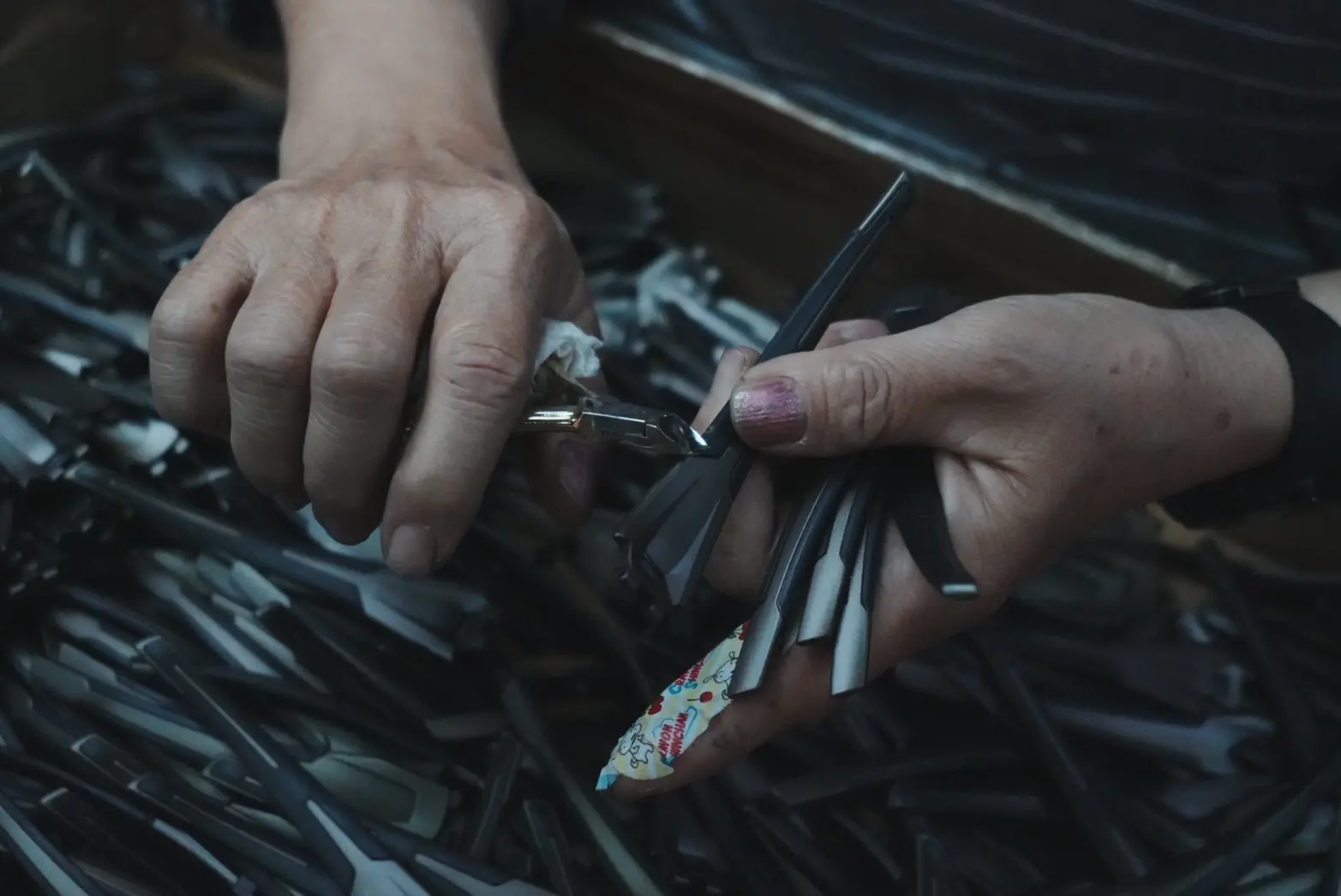
PC programs succeed when production outcomes — and impact performance — stay stable over time. We emphasize checks that support repeatable geometry and consistent presentation.
Dimensional control focus
Key measurements and wall thickness reviewed to reduce batch-to-batch drift.
Assembly interface checks
Hinge and fit points verified for consistent feel.
Surface and coating control
Finish, texture, and hard-coat application checked for stable presentation and scratch resistance.
Program documentation
Changes and test results tracked to support long-term SKUs.
Related Guides
PC Sunglasses Resource Library
In-depth manufacturer guides for every stage of developing a PC sunglasses collection — from material selection to production briefing.
Material
What Is PC (Polycarbonate)? The Material Behind Safety and Sport Eyewear
Material Comparison
PC vs TR90: Which Injection Material Fits Your Sunglasses Line?
MOQ Strategy
How to Lower Your Sunglasses MOQ with Injection Molding
Promotional Programs
Custom Promotional Sunglasses: What Brands Need to Know
After-Sale
PC Sunglasses Care and Maintenance: What Brands Need to Tell Customers
Pricing
PC Sunglasses Pricing Strategy: How to Set Retail Price
Lens Specs
PC Sunglasses Color and Coating Options: UV, Mirror, and Polarized Combinations
Compliance
PC Sunglasses Safety Standards: ANSI Z87.1 and What B2B Buyers Should Know
Sourcing Guide
How to Brief a PC Sunglasses Factory: What to Provide
Common Questions
FAQ
Typical MOQ is 1,000–1,200 pieces per model, plus 300 pieces per colorway. Mold (tooling) cost runs $1,470–$4,500 depending on frame complexity and cavity count. Sampling takes 5–10 working days once the mold is confirmed, with bulk production following in 35–55 working days depending on order volume.
No. Polycarbonate and TR90 are chemically different materials. TR90 is a branded nylon-12 formulation (Grilamid TR90), while polycarbonate is a distinct polymer family. Both are injection-molded and share some performance similarities — light weight and flexibility — but PC's defining strength is impact resistance and lens-grade application, while TR90's strength is flex-and-return comfort in frame-only construction. See our PC vs TR90 comparison for full detail, or visit our dedicated TR90 page.
Yes — this is one of the few eyewear materials that functions in both roles. As a frame material, PC competes with TR90 and nylon. As a lens material, PC competes with CR-39, TAC, and glass. Your brief should specify which application — or both — is intended, since the relevant performance properties differ between the two uses.
For the US market, the FDA requires all sunglasses to pass a drop-ball impact test. For sport and protective eyewear specifically, ANSI Z87.1 is the relevant standard, with equivalent frameworks in other major markets. PC reliably meets or exceeds these when properly manufactured — we provide test reports on request and recommend confirming which standard applies to your specific product positioning before bulk production.
The same molecular flexibility that gives PC its impact resistance also makes it softer than glass or CR-39, which makes it more prone to surface scratching. This is addressed with a hard scratch-resistant coating applied after molding — standard practice on every PC lens we produce, and virtually all commercially sold PC lenses.
Yes. Series planning is a common use case for PC injection programs — one mold investment can support a multi-color, multi-SKU release calendar. Color is typically set per production run rather than mixed freely within a single batch, so plan your colorway split before tooling is finalized.
Get Started
Planning a PC Sunglasses Program?
Share your target market, expected volume, and release plan — we'll reply with a practical development path.
Whether you're launching a safety-rated sport collection or scaling an existing promotional program, our team is ready to support your PC sunglasses development.