INJECTION / PLASTIC OPTICAL FRAMES
Injection Optical Frames Engineered for Prescription Accuracy & Long-Term Stability
Precision-molded optical frames built for dimensional repeatability, stable lens mounting, and scalable prescription programs.
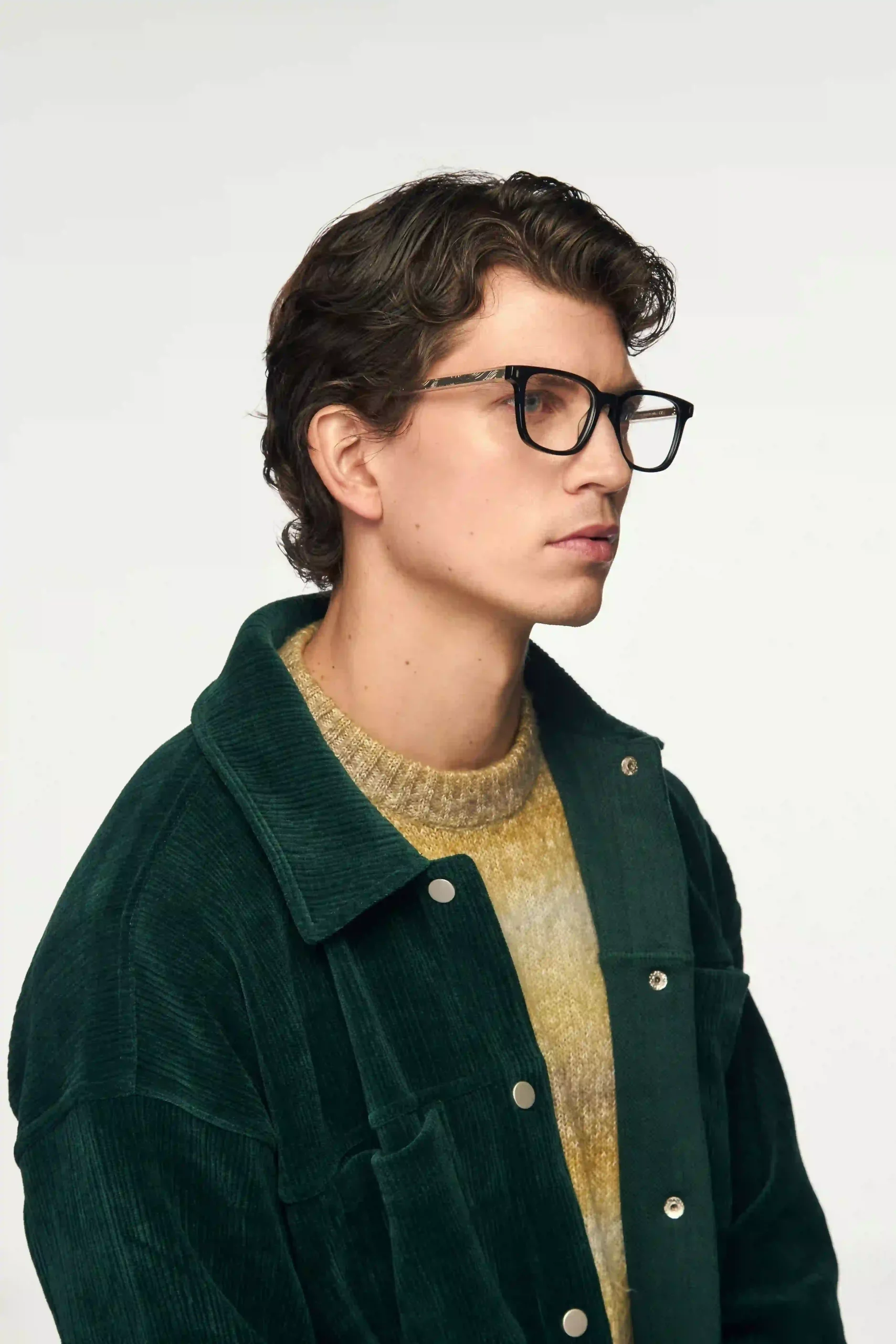
This Page Is for You If:
You operate prescription-driven optical programs
Batch consistency matters more than seasonal design changes
You need predictable lens fitting across long-term supply
You're planning controlled volumes, not one-off styles
If not, explore our Acetate Optical Frames or TR90 Optical Frames instead.
Overview
What Injection Optical Frames Are Built For
Injection optical frames are produced through precision molding processes that emphasize dimensional repeatability and structural reliability.
Rather than focusing on material texture, these frames are selected for prescription programs where lens fit accuracy, batch consistency, and predictable production are essential.
They are commonly used in long-running optical collections that prioritize stability over seasonal variation.
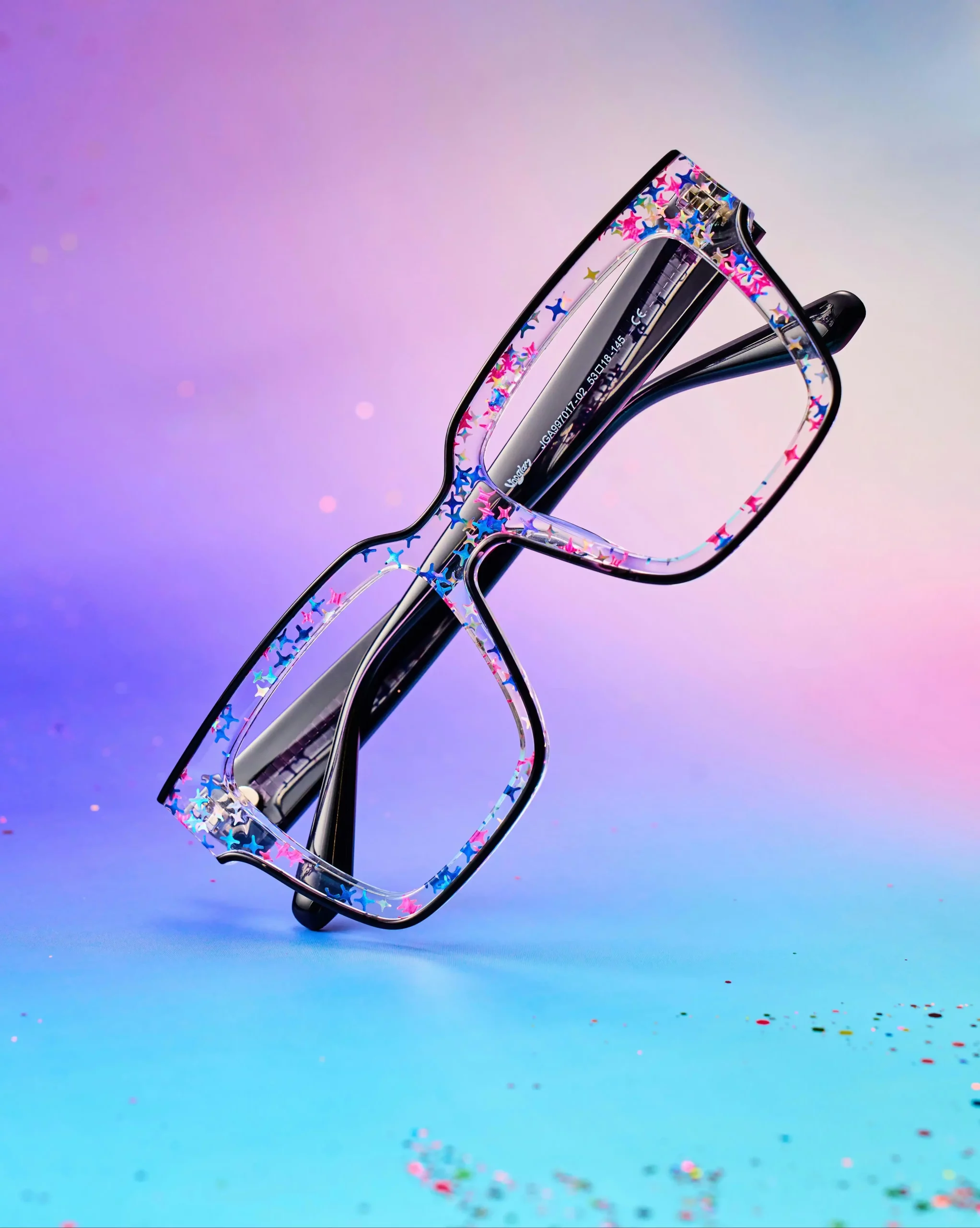

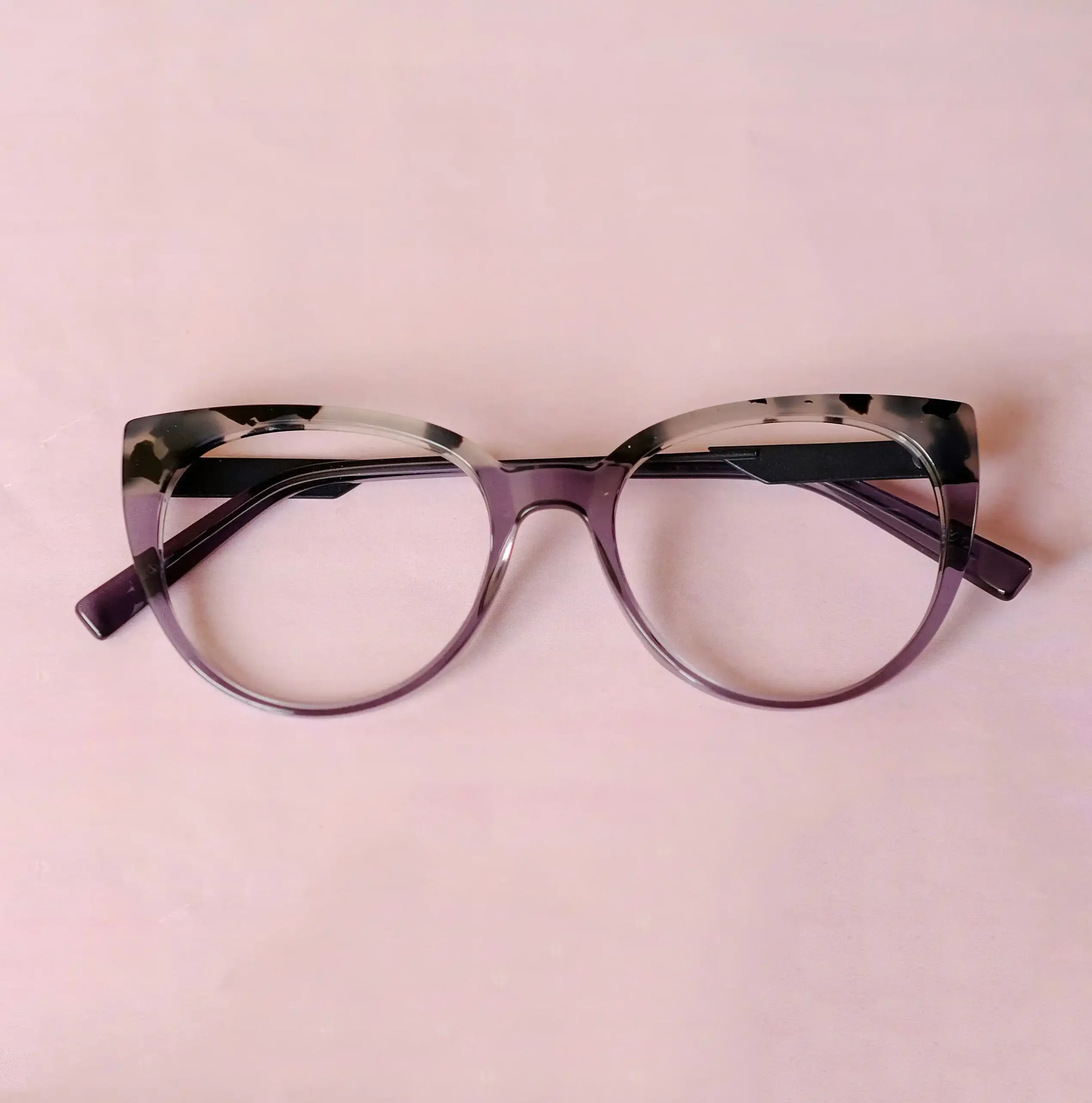
Advantages
Advantages for Prescription-Focused Programs
Dimensional Consistency
Mold-controlled geometry supports reliable lens installation across batches.
Stable Frame Structure
Designed to maintain shape during daily wear and routine handling.
Production Predictability
Injection processes support clear timelines and repeatable outcomes.
Program-Level Cost Control
Suitable for long-term optical lines with planned volumes.


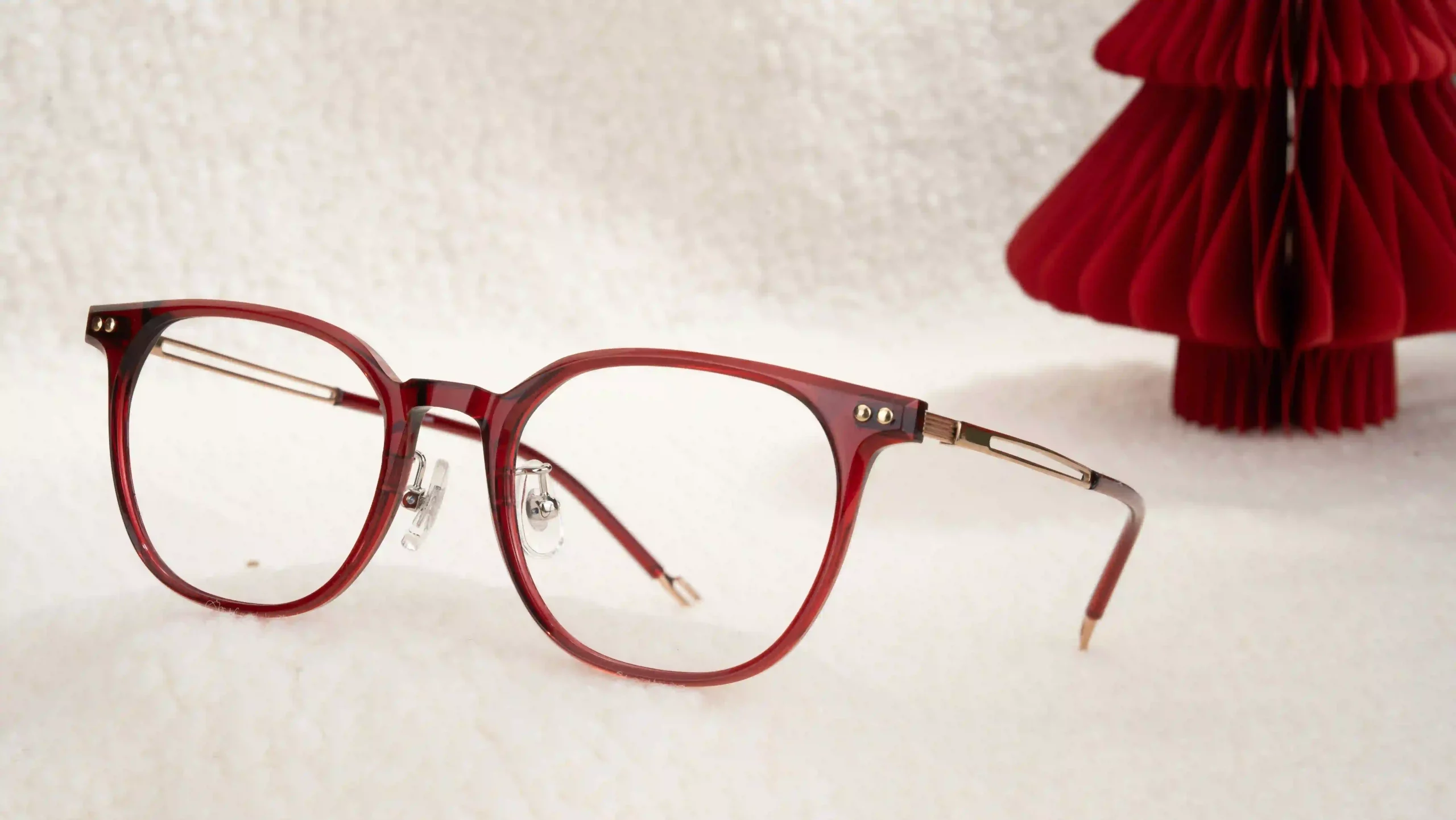
Material Comparison
Injection Optical Frames Compared to Other Materials
Material selection in optical frames should follow prescription demands and supply expectations.
| Feature | Injection Plastic | TR90 | Acetate | Metal |
|---|---|---|---|---|
| Lens mounting stability | High | Medium | Medium | High |
| Shape repeatability | High | Medium | Medium | Medium |
| Flexibility | Low–Medium | High | Medium | Low |
| Visual emphasis | Clean and uniform | Minimal and functional | Textured and expressive | Defined and structural |
| Typical use | Long-term prescription programs | Comfort-driven optical wear | Lifestyle optical collections | Classic optical frames |
Important Considerations
Who Injection Optical Frames Are NOT For
Injection optical frames are not designed for every optical concept. We recommend alternative materials when flexibility, handcrafted aesthetics, or frequent design changes are the priority.
Brands focused on seasonal fashion drops or rapid design turnover
Collections emphasizing handmade textures or acetate layering
Programs requiring frequent structural revisions after launch
If long-term dimensional stability, prescription accuracy, and batch consistency are not your core requirements, other materials may be more suitable — and we'll advise honestly before production.
Optical Fit
Optical Fit Built on Dimensional Accuracy
Prescription reliability depends on frame geometry that remains stable before and after lens installation.
Lens rim dimensions planned for consistent mounting
Frame rigidity supports prescription accuracy
Bridge geometry maintains alignment under load
Reduced risk of post-assembly distortion
Designed to minimize refitting and remakes

Wear Comfort
Everyday Wear with Structural Confidence
Comfort in injection optical frames comes from predictable balance rather than flexibility.
A stable structure helps frames sit consistently throughout the day, supporting users in school, work, and daily routines.
This makes injection frames a practical choice for frequent, long-hour wear.
Balanced front-to-temple weight
Stable positioning during daily movement
Suitable for repeated on/off use

Engineering
Tooling & Engineering That Support Prescription Accuracy
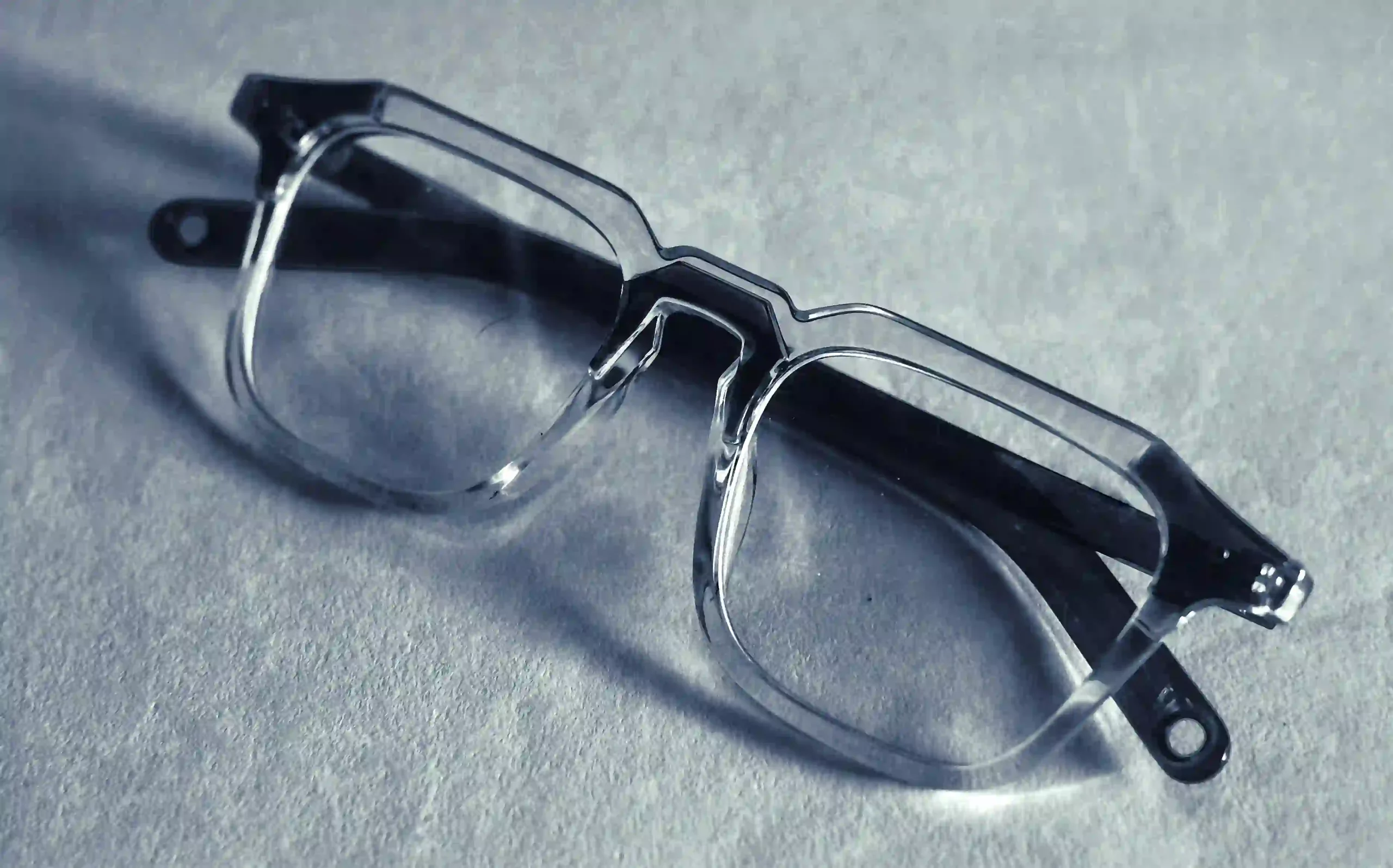
Injection optical frames rely on tooling precision and structural planning to deliver consistent outcomes.
Mold design aligned with optical fit targets
Wall thickness planning for rim stability
Bridge and hinge interface consistency
Multi-cavity control for batch uniformity
Documented tolerances for repeat production
Production Process
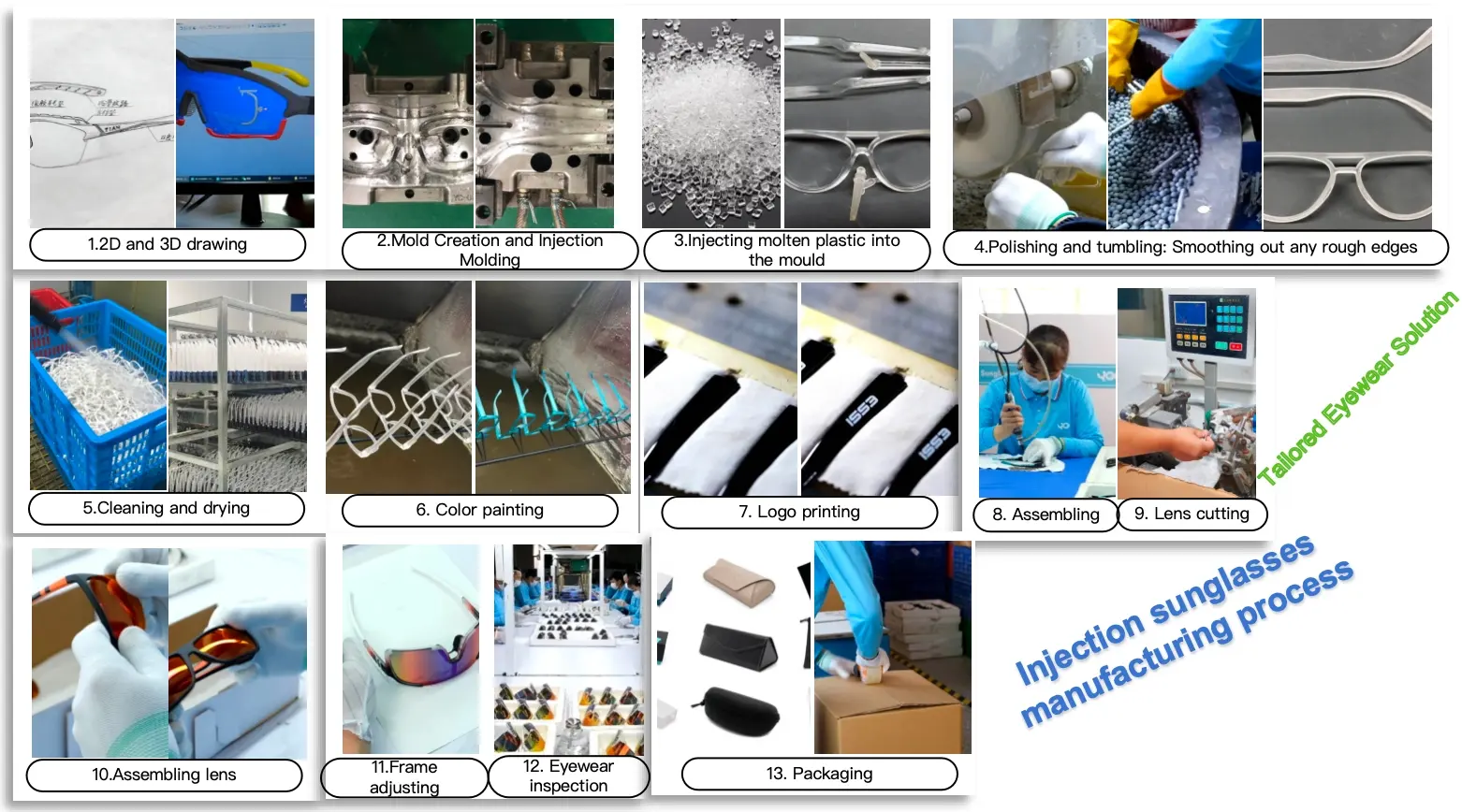
Manufacturing Process Overview
2D and 3D Drawing
Mold Creation and Injection Molding
Injecting Molten Plastic into the Mould
Polishing and Tumbling
Cleaning and Drying
Color Painting
Logo Printing
Assembling
Lens Cutting
Tooling complexity and color programs influence timelines.
Representative Projects
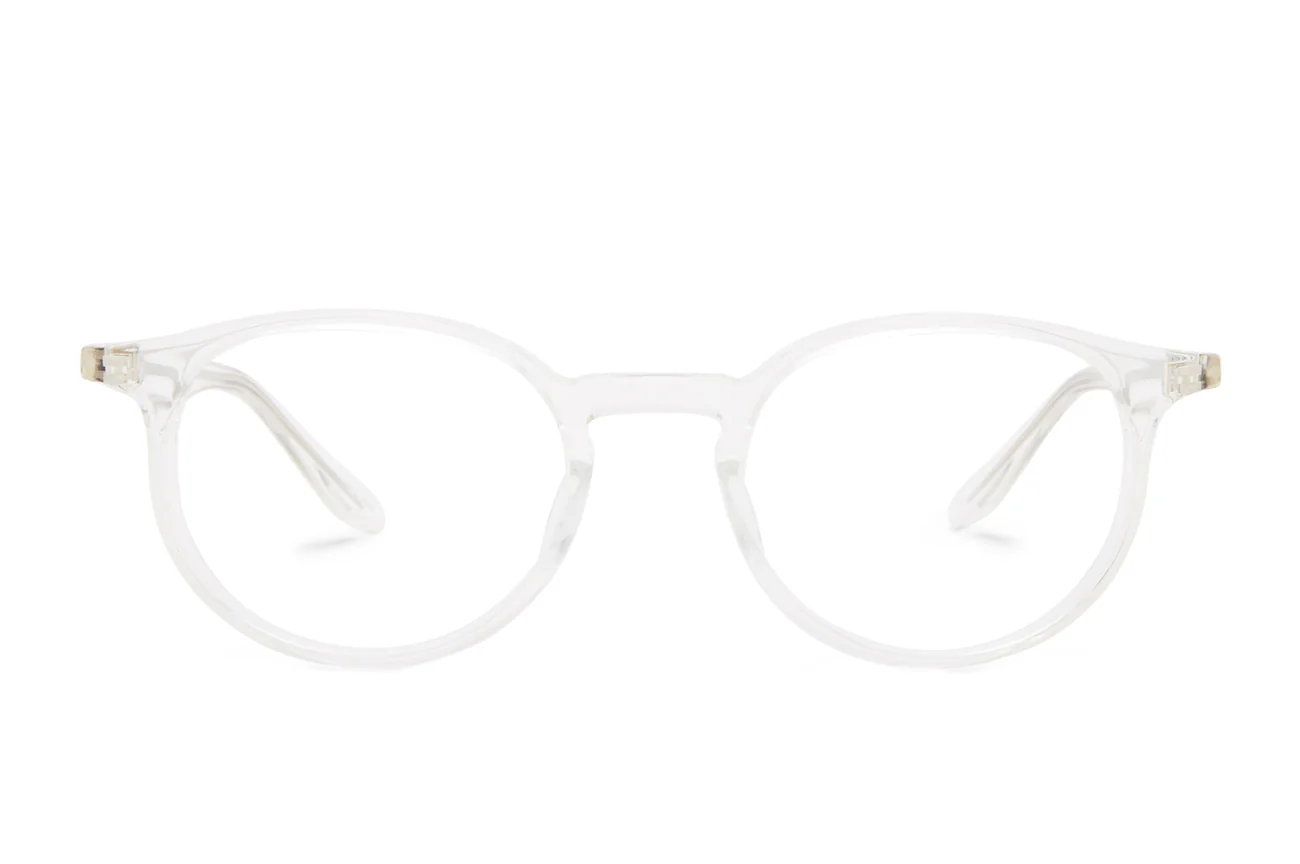
Representative Injection Optical Frame Projects
Examples shown for capability reference only.
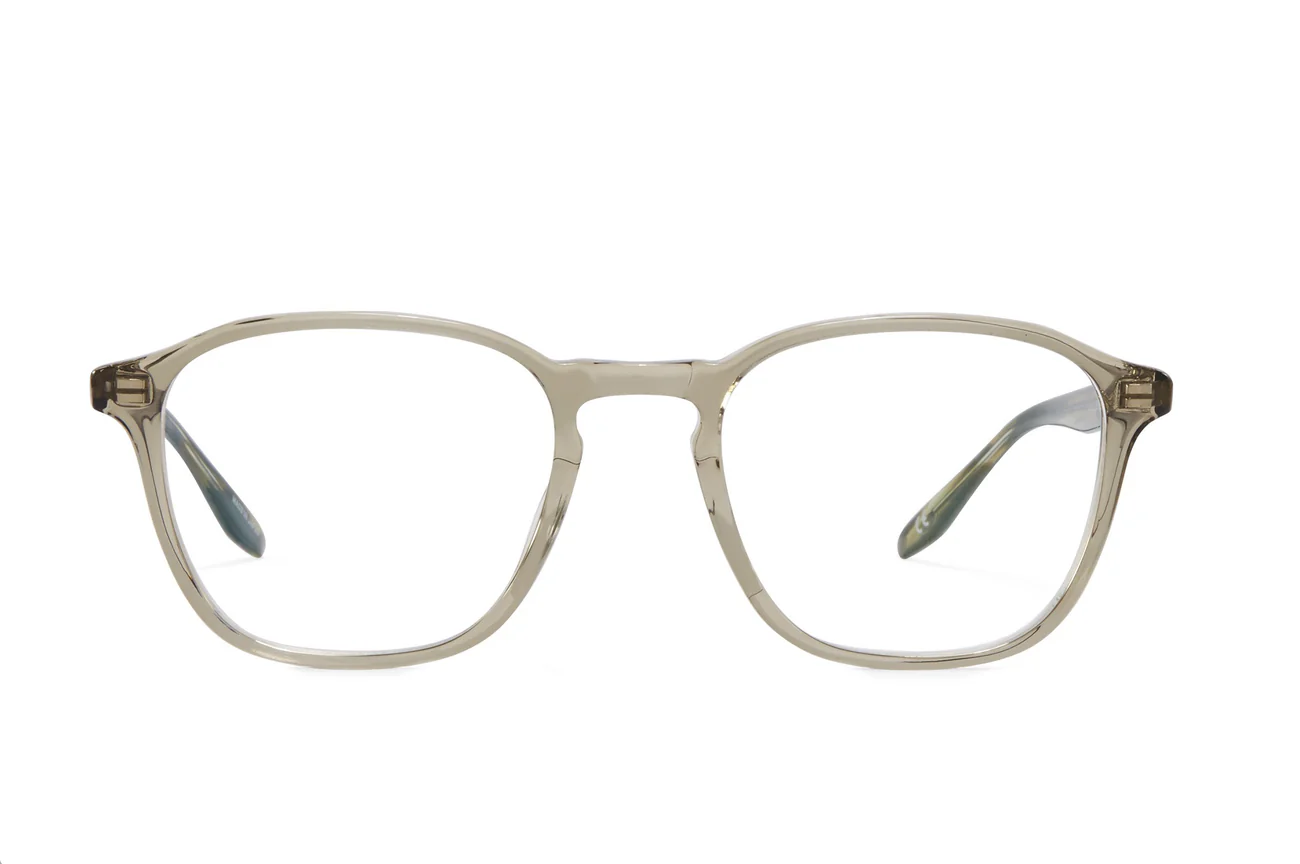
Student Prescription Frame
Designed for daily wear and high handling frequency.
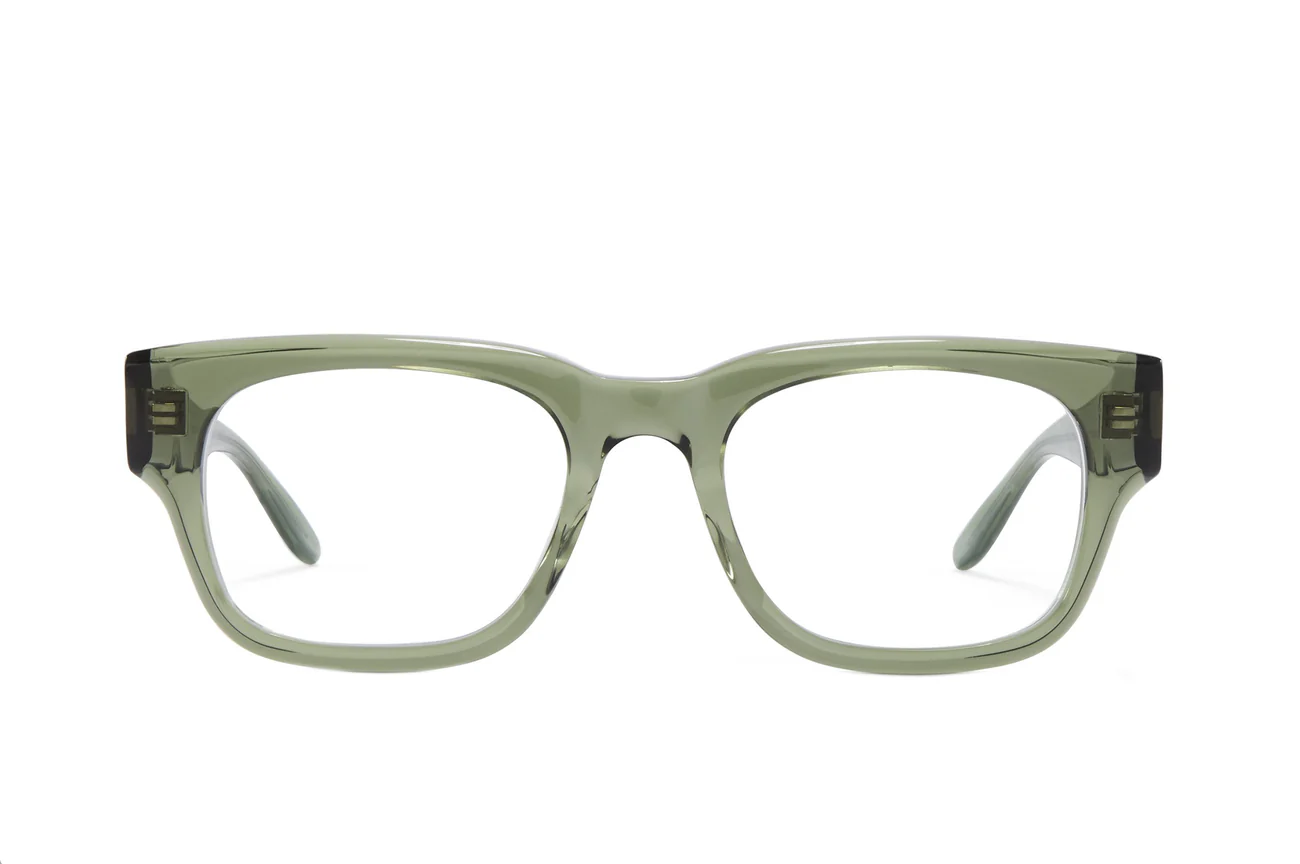
Commercial Optical Program Frame
Built for stable long-term supply.
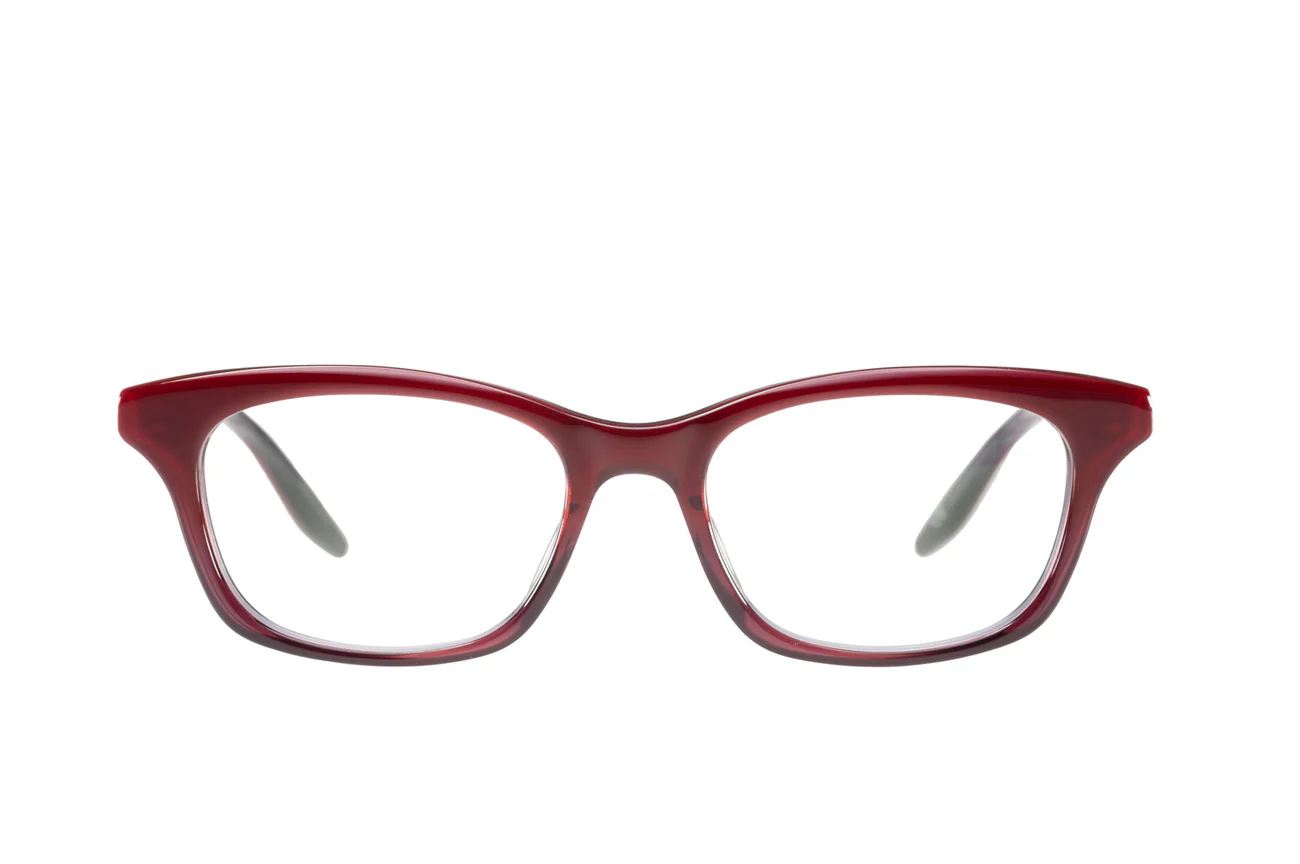
Minimal Injection Optical Frame
Clean geometry focused on fit consistency.
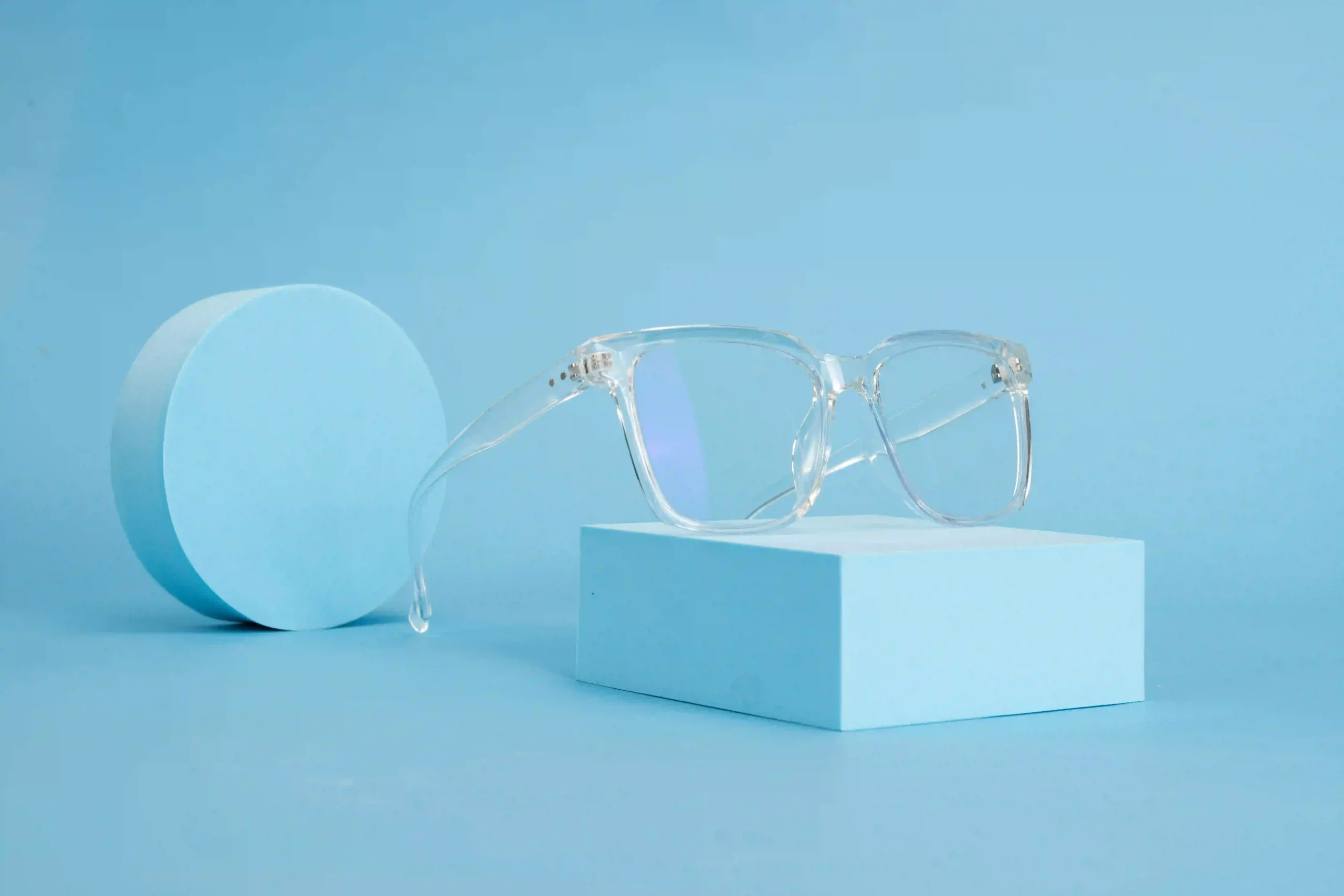
Color-Series Optical Frame
One structure developed for multi-color programs.
Customization
Customization Within a Scalable Structure
Injection optical frames allow controlled customization without disrupting production stability.
Frame shape and size
Lens rim thickness
Bridge width and geometry
Color and surface finish
Branding details and packaging

Risk Management
First Order Risk Control for Injection Optical Programs
Injection optical frames require early structural decisions. Our role is to help brands minimize first-order risk before tooling investment.
Pre-tooling feasibility review
Evaluate lens type, prescription range, and structural tolerance before mold development.
Dimensional validation in sampling
Technical drawings and tolerance review before physical samples are approved.
Controlled pilot quantities
Pilot runs to validate assembly, fit, and batch stability before scale-up.
Clear tooling ownership & lifecycle planning
Tooling designed for long-term programs, not short-term cost cutting.
This approach allows brands to launch injection optical frames with confidence — not guesswork.
Supply Stability
Supply Stability for Long-Term Optical Programs
Injection optical frames are frequently chosen for programs that demand consistent supply over time.
Batch-to-batch dimensional control
Measurements monitored to reduce variation.
Assembly repeatability
Interfaces designed for consistent feel.
Long-run SKU support
Structures suitable for extended product life cycles.
Program documentation
Changes tracked to protect optical fit integrity.
Common Questions
FAQ
Yes. They are commonly selected for programs requiring stable lens mounting and dimensional control.
Injection frames emphasize stability and consistency; TR90 emphasizes flexibility and comfort.
Tooling-based processes support high repeatability when tolerances are managed.
We conduct tolerance review and dimensional validation during sampling to reduce post-tooling risk. If adjustments are required, they are addressed before mass production.
Tooling requirements, color programs, and production scale.
Yes. They are often used for extended-life optical SKUs.
Get Started
Planning an Injection Optical Frames Program?
Share your target users, prescription requirements, and expected volume — we'll help evaluate tooling, structure, and production feasibility.
Whether you're developing a new optical collection or scaling an existing prescription program, our team is ready to support your injection optical frames development.
Frames only. Lenses are not included.