Custom Reading Glasses for Fashion Brands: Beyond the Pharmacy Look
Most reading glasses on the market are designed to be forgotten the moment they’re not needed — a half-frame in black or tortoise, sitting on a pharmacy rack next to the reading chart. That’s a fine product for a pharmacy. It’s the wrong starting point for a fashion or lifestyle brand.
If your brand already has a point of view — on color, on shape, on materials — your reading glasses shouldn’t be the one product line that looks like it was picked off a generic shelf. The good news: getting a fashion-forward reader into production doesn’t require a different supply chain. It requires different decisions at the design stage.
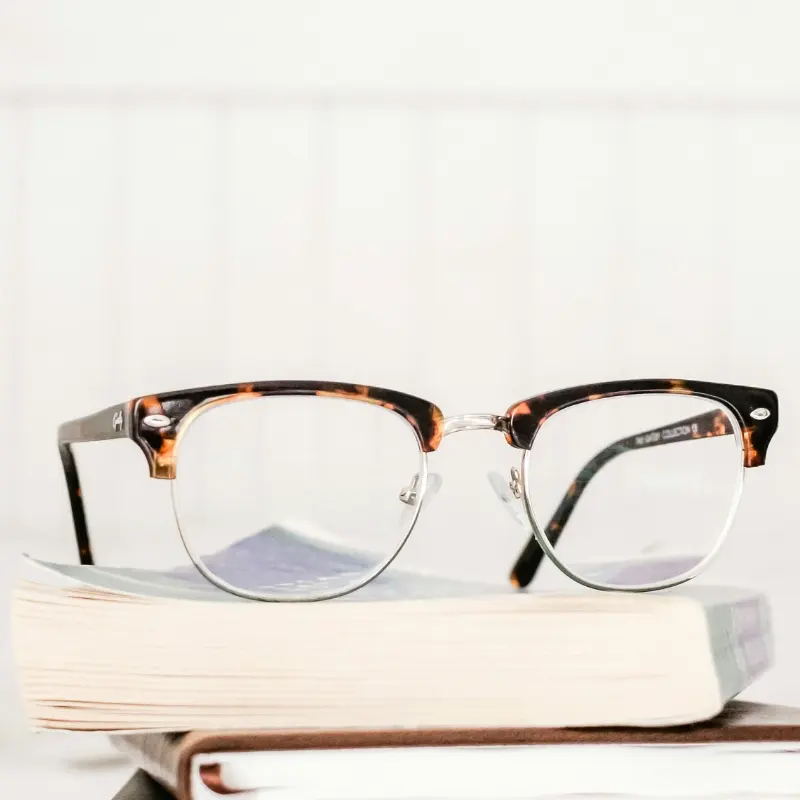
Why “Good Enough” Reading Glasses Aren’t Good Enough for a Fashion Brand
A pharmacy reader is built to solve one problem: help someone read small text, at the lowest possible cost, in a form nobody will remember five minutes later. That’s the entire design brief.
A fashion brand’s reader has a second job: it has to look like it belongs next to the rest of the collection. If a customer wouldn’t wear your sunglasses or your optical frames, they won’t wear a mismatched pair of readers either — no matter how useful the product is. Treating reading glasses as an afterthought category is one of the more common ways brands quietly undercut their own positioning.
What Actually Separates Pharmacy Readers from Fashion-Forward Readers
The functional core is the same — both use standard off-the-shelf diopter lenses in the same power range. The difference is entirely in the design layer:
| Element | Pharmacy Reader | Fashion-Forward Reader |
|---|---|---|
| Frame material | Basic injection plastic | Acetate, refined TR90, or metal accents |
| Frame shape | Half-frame, generic rectangle | Cat-eye, oversized round, geometric, brand-signature shapes |
| Color/finish | Black, tortoise, one or two basics | Gradient acetate, translucent tones, on-trend seasonal colors |
| Packaging | Blister pack or open rack | Branded case, tissue, box aligned with the rest of the collection |
| Positioning | Utility, impulse buy | Extension of the brand’s optical or sunglasses line |
None of the differences are in the lens. They’re all in decisions a brand controls at the design and sourcing stage.
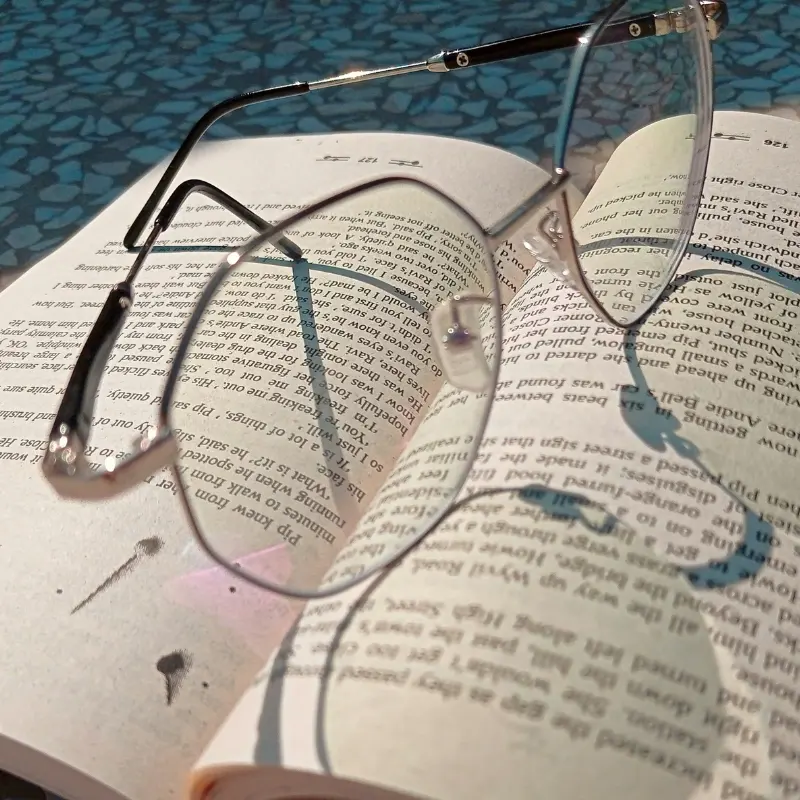
Frame Materials: Where the Fashion Difference Actually Starts
Material is the single biggest lever for moving a reader out of “pharmacy” territory.
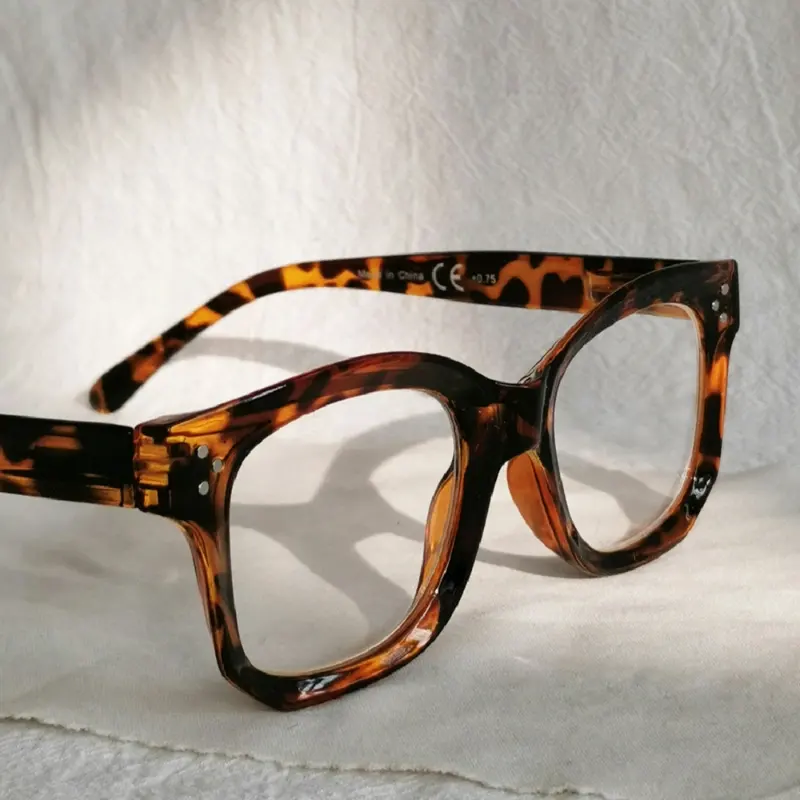
- Acetate carries the most design weight. Layered colors, tortoise patterns, and gradients read as premium immediately, and it’s the same material your sunglasses or optical collections likely already use — which means a reading glasses line can visually match the rest of your catalog rather than looking sourced from somewhere else.
- TR90 works well for a lighter, more casual fashion positioning — comfortable for all-day wear, and increasingly used in colorful, youthful reader lines rather than only in sport or safety eyewear.
- Metal accents — temple inlays, rivets, hardware details — can lift a design without moving the whole frame to metal, which keeps cost closer to a plastic or acetate build.
There’s no single “correct” material. The right one depends on where the rest of your line already sits — a brand built on acetate sunglasses should extend that material into readers rather than introducing plastic as the odd one out.
Frame Shapes That Signal “Fashion,” Not “Drugstore”
Pharmacy readers rarely deviate from a handful of safe, generic shapes because the channel rewards familiarity over distinctiveness. A fashion brand can do the opposite:
- Cat-eye and browline shapes translate directly from sunglasses trends into readers
- Oversized round or geometric frames give a reader the same design energy as an optical frame
- A brand-signature silhouette — if your sunglasses line already has one recognizable shape — can often be adapted into a reader without a full new mold, depending on bridge and hinge placement
The shape decision is where a reading glasses line either looks like a brand extension or looks like a bolt-on afterthought.
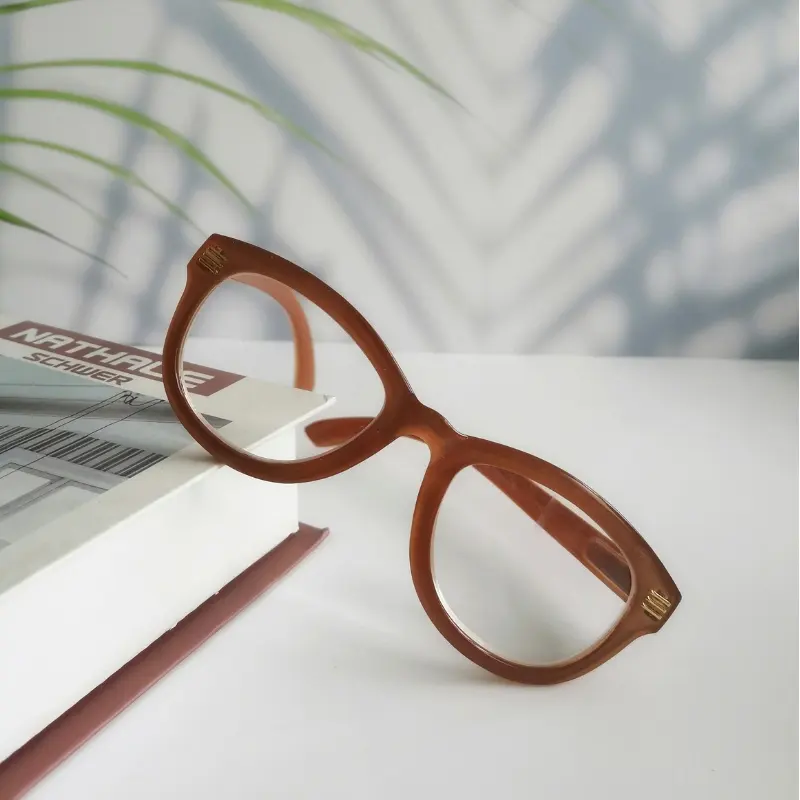
Color and Finish as a Brand Differentiator
This is where acetate in particular does the most work. Layered and gradient color effects, translucent tones, and seasonal colorways are all achievable within the same production process used for sunglasses — meaning a fashion brand can carry its existing seasonal color story into its reading glasses line without developing an entirely separate palette.
The Lens Doesn’t Change — The Design Does
A common assumption is that a more fashion-forward reader must be more complicated or expensive to produce on the lens side. It isn’t. Reading glasses lenses are standardized, off-the-shelf optical stock, purchased by diopter strength from lens suppliers regardless of how the frame is designed. A cat-eye acetate reader in a gradient tortoise finish uses the exact same lens sourcing process as a basic black half-frame. The cost and complexity difference lives entirely in the frame — material, mold, and finish — not in the optics.
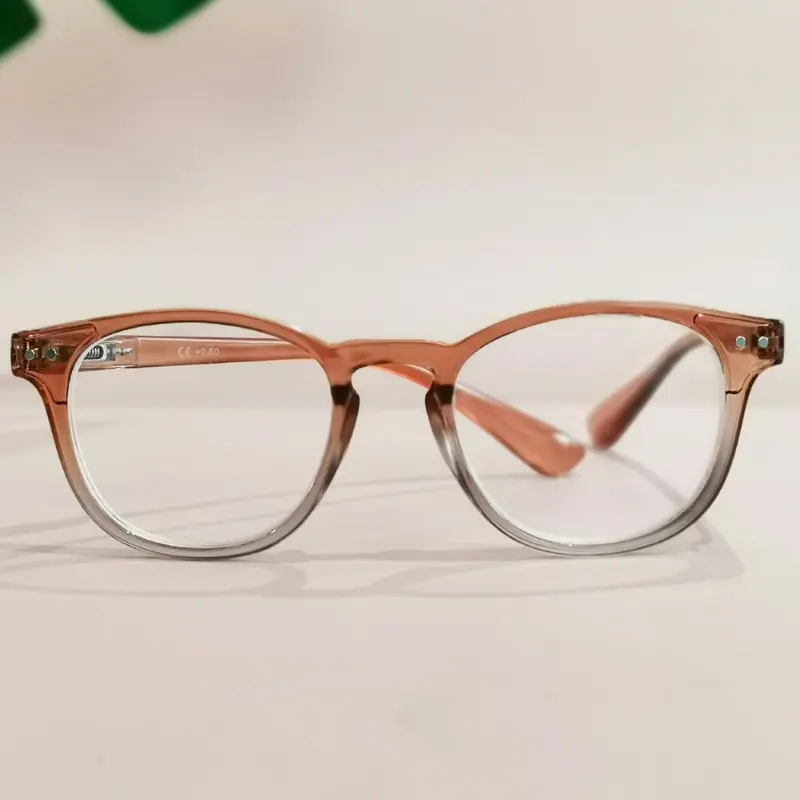
Building a Minimum Viable Fashion Reading Glasses Line
A fashion brand doesn’t need a wide catalog to start. A practical first order:
- One or two signature frame shapes, ideally ones that echo an existing sunglasses or optical style in your line
- Two to three colorways per style — enough to feel like a collection without overextending on tooling
- Three to five core diopter strengths per colorway (see our diopter strength guide for the ranges that actually sell)
- Acetate as the lead material, with a lighter TR90 option if you want a second price point
This keeps the line tight enough to launch quickly, while still reading as a deliberate collection rather than a single generic SKU.
Packaging and Presentation That Match the Positioning
A fashion-forward frame loses its impact fast if it ships in a plain blister pack. Packaging is one of the lowest-cost ways to reinforce positioning — a branded hard case, tissue wrap, or box consistent with your sunglasses or optical line signals that the reading glasses are part of the same brand world, not a separate discount category.
Pharmacy Readers vs. Fashion-Forward Readers: The Bottom Line
| Pharmacy Reader | Fashion-Forward Reader | |
|---|---|---|
| Primary buyer motivation | Immediate need, lowest price | Style match with existing wardrobe/collection |
| Typical retail channel | Drugstore, convenience, supermarket | DTC, boutique, brand website |
| Margin potential | Low — price-competitive category | Higher — positioned as a style product, not a commodity |
| Design investment needed | Minimal | Moderate — mostly in material, shape, and color choices |
FAQ: Custom Reading Glasses for Fashion Brands
Do fashion-forward reading glasses cost more to produce than basic readers?
The lens cost is identical either way, since diopter lenses are standardized. Cost differences come from frame material and mold complexity — acetate and custom shapes cost more than basic injection plastic, but not dramatically more once spread across a reasonable order quantity.
Can I use the same frame shapes as my sunglasses line for reading glasses?
Often yes, with adjustments to bridge fit and hinge placement for close-up wear comfort. Reusing a recognizable silhouette is one of the fastest ways to make a reading glasses line feel like a natural brand extension rather than a new product category.
What’s the minimum number of styles needed to launch a fashion reading glasses line?
One to two signature shapes in two to three colorways each is enough for a credible first launch — the goal is a tight, deliberate collection, not broad catalog coverage.
Does acetate work for reading glasses, or is it mainly for sunglasses?
Acetate works well for reading glasses and is a common premium choice, since it carries color and pattern better than basic plastic — the same properties that make it popular for sunglasses and optical frames.
Getting the frame decisions right — material, shape, color, packaging — is what separates a reading glasses line that reads as a natural brand extension from one that reads as an afterthought. Those decisions are worth working through in detail on the production side before locking in a first order.
Let's get started!
Get in touch with a custom eyewear specialist now for a free consultation and instant price quote.
WHATSAPP ME GO!
📱 Scan with your phone to start chatting