Are Plastic Sunglasses Still a Smart Choice for Brands? A Manufacturer's Perspective
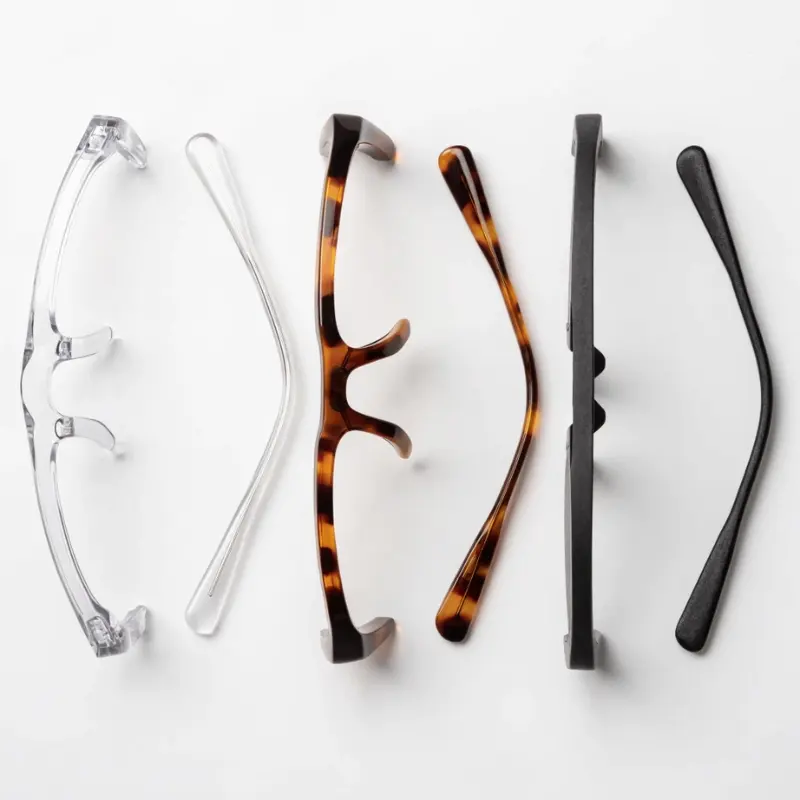
“Plastic sunglasses” carries a reputation problem. In an industry increasingly focused on bio-acetate, recycled materials, and premium positioning, injection-molded plastic frames get filed under “budget,” “disposable,” or “not serious.” Some of that reputation is earned. Some of it isn’t.
As a manufacturer producing both acetate and injection-molded eyewear, we see the real picture: injection-molded plastic sunglasses aren’t a compromise — they’re a specific tool for specific product strategy. The question isn’t whether plastic is “good” or “bad.” It’s whether it’s the right material for what you’re trying to build, and whether you’re using it deliberately or by default.
This guide breaks down what injection-molded sunglasses actually are, when they make business sense, where the real limitations sit, and — because it’s the question more brands are asking — how the sustainability conversation factors in.
What Are Plastic Sunglasses Actually Made Of?
“Plastic sunglasses” is a category, not a single material. The construction method — injection molding — is shared, but the resin used changes the product significantly.
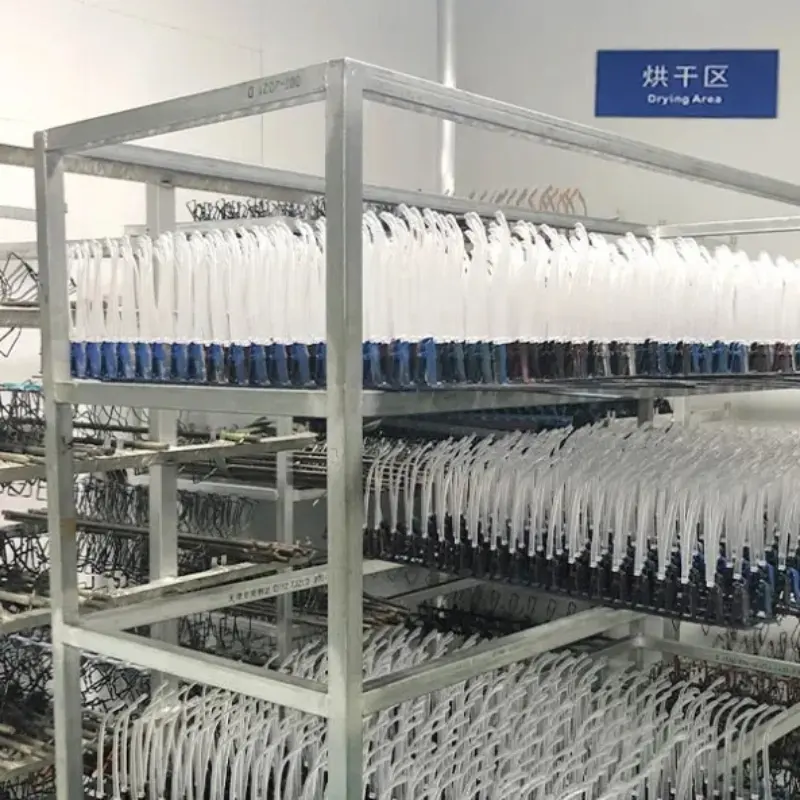
Injection molding is the manufacturing process: plastic resin is heated to a molten state and injected into a steel mold under high pressure, then cooled and ejected as a finished frame shape. This is fundamentally different from acetate, which is CNC-cut from sheet material and hand-polished. Injection molding is machine-driven, highly repeatable, and built for volume.
Within that process, three materials dominate the market:
| Material | Key Traits | Typical Use Case |
|---|---|---|
| Polycarbonate (PC) | Lightweight, highly impact-resistant, lower cost | Safety-rated eyewear, promotional items |
| TR90 (Injected Nylon Copolymer) | Flexible, durable, better surface finish than PC | Sport frames, kids’ frames, mid-range fashion, casual everyday wear |
| ABS / Generic Plastic | Cheapest option, more brittle, limited finish quality | Promotional giveaways, disposable use |
PC and TR90 are where almost all serious brand production happens. TR90 tends to see broader use across categories — sport, kids’, and fashion frames all benefit from its flex-and-recover quality, which matters as much for an active child as it does for an athlete. PC’s strength is more specific: shatter resistance for safety-certified eyewear (ANSI Z87.1-type applications) and the lowest cost for promotional volume. ABS shows up mostly in giveaway-grade products where cost is the only variable that matters.
Why B2B Buyers Still Choose Plastic — The Real Advantages
Plastic frames persist in the market for reasons that have nothing to do with cutting corners.
Lower mold cost relative to output. Tooling investment is real, but spread across a 1,000+ piece run, the per-unit tooling cost is low — making injection molding accessible for brands that aren’t ready to commit to acetate’s larger minimums.
Production speed and repeatability. Once a mold is built, every frame that comes out of it is dimensionally identical. There’s no hand-finishing variation to manage, which simplifies QC and shortens the path from sample to bulk.
Design flexibility within the mold. Complex curves, integrated details, and a wide color range are all achievable — injection molding handles geometric complexity that would be expensive or impossible in CNC-cut acetate.
Lightweight wear. For youth lines, sport categories, or all-day wear products, the weight difference between a PC/TR90 frame and an acetate or metal equivalent is noticeable to the end customer.
Accessible price architecture. Lower per-unit cost opens up price points that support higher margins at retail, or that make sense for promotional and gift-with-purchase use cases where unit economics work differently than a flagship product line.
Customization: More Than Most Brands Assume
The most common misconception we hear from first-time buyers is that plastic means limited branding options. In practice, injection-molded frames support a meaningful range of customization:
| Customizable Feature | What’s Possible |
|---|---|
| Frame color | Solid, translucent, gradient, matte, or gloss finishes |
| Logo application | Pad printing, silkscreen, or transfer printing |
| 3D logo embossing | Molded directly into the frame during injection for permanent branding |
| Lens options | UV400 standard, polarized, mirrored, gradient, or color-matched tints |
| Temple details | Rubberized grip inserts, textured finishes, contrast tips |
A branded product experience is fully achievable at a lower unit price — the constraint isn’t customization depth, it’s that color changes typically require batching by mold run rather than being mixed freely within a single production batch the way acetate colorways can be.
When Plastic Makes the Most Business Sense
Plastic earns its place in a product line under specific, recurring conditions:
- Gift-with-purchase programs in cosmetics, fashion, or lifestyle retail, where unit cost has to stay low without looking cheap
- Event and festival merchandise — concerts, product launches, brand activations where the product has a shorter intended lifecycle
- E-commerce brands building an accessible entry tier alongside premium SKUs in acetate or metal
- Fast-turn trend drops — seasonal color capsules, limited collaborations, TikTok-driven launches where speed to market matters more than long-term durability
- Children’s eyewear lines, where light weight and impact resistance are functional requirements, not just cost considerations
The common thread: plastic works best when speed, price accessibility, or specific functional requirements (impact resistance, weight) are driving the decision — not when it’s chosen by default because no one evaluated the alternative.
Where Plastic Falls Short — Honestly
Plastic isn’t the right choice everywhere, and a manufacturer who tells you otherwise isn’t being straight with you.
Finish quality has a ceiling. Injection-molded surfaces, even well-finished TR90, don’t achieve the visual depth and tactile quality of polished acetate. Customers who handle both side by side notice the difference.
Color batching is less flexible. Acetate sheet allows color mixing within small runs. Plastic color is set per mold run, which means switching colors mid-production isn’t simple — plan your colorway split before tooling, not after.
Structural durability varies meaningfully by material. PC is excellent for impact resistance but can feel less premium in hand. Cheaper ABS-grade plastic can become brittle over time, particularly with UV and temperature exposure.
Perceived value sits lower. This is the honest core of the issue: for flagship, luxury-positioned, or heritage-brand products, plastic frames typically don’t carry the perceived value that acetate or metal does, regardless of actual quality. This is a positioning fact, not a quality judgment.
This is why most of the brands we work with use plastic strategically — for specific SKUs, secondary tiers, or category extensions — while premium styles stay in acetate or metal.
The Sustainability Question Brands Are Actually Asking
This deserves direct treatment, because it’s the question we get most often from brands evaluating plastic in 2026 — and it’s usually framed as a values question, not just a cost question.
The honest answer: standard PC and TR90 are petroleum-derived plastics, and conventional injection-molded frames don’t biodegrade. That’s a real consideration if your brand positioning leans into sustainability messaging.
What’s changed in the past few years is that the binary “plastic = bad, acetate = good” framing oversimplifies things. A few factors worth knowing:
- Recycled-content PC and TR90 are increasingly available from resin suppliers, allowing injection-molded frames with a genuine recycled-material story — though sourcing and minimum order quantities for recycled resin are typically higher than virgin material.
- Bio-acetate is not automatically the more sustainable choice for every use case. It’s plant-derived, but it’s also hand-finished with a longer production cycle and higher material cost — for a fast-turn promotional product with a short intended lifecycle, the sustainability math isn’t always straightforward.
- Durability matters more than material origin in lifecycle impact. A well-made TR90 frame that lasts three years of daily wear may have a smaller environmental footprint than a frequently-replaced budget product in any material.
The practical takeaway for brand owners: if sustainability messaging matters to your positioning, plastic isn’t automatically disqualifying, but it does require being specific — recycled content percentage, end-of-life guidance, and honest framing — rather than vague green claims. We’re transparent with clients about this tradeoff rather than oversell plastic as an eco-material it isn’t.
MOQ, Mold Cost, and Lead Time: What to Expect
This is the part most content online treats vaguely. Here’s what’s typical in B2B production.
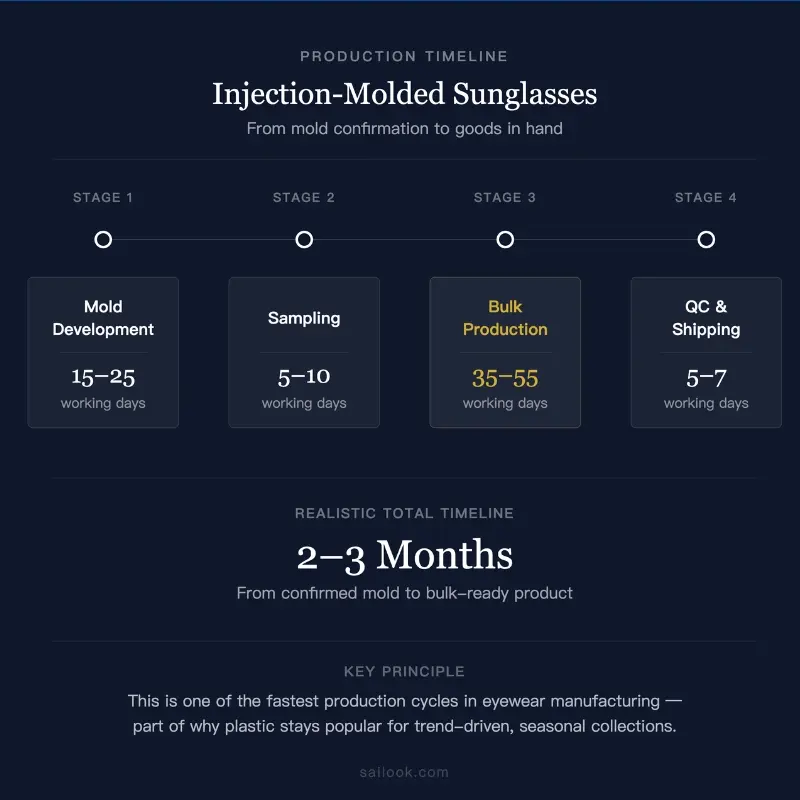
| Stage | Typical Range | Notes |
|---|---|---|
| Mold (tooling) cost | $1,470–$4,500 | Varies by frame complexity and number of cavities |
| MOQ | 1,000–1,200 pcs per model; 300 pcs per colorway | Lower than acetate’s color-flexible minimums, but mold-dependent |
| Sampling | 5–10 working days | Faster than acetate or metal due to simpler process once mold exists |
| Bulk production | 35–55 working days | After sample approval and confirmed mold; depends on order volume and complexity |
This speed and cost profile is exactly why plastic remains attractive for fast fashion drops, TikTok-driven launches, and wholesale restocking programs where time-to-market is a competitive factor in itself.
How to Decide: A Simple Framework
Use this as a starting filter before you brief your manufacturer.
Choose plastic (PC or TR90) when:
- You’re testing a new market segment or price point and want to limit upfront risk
- The product has a short intended lifecycle (seasonal drop, collab, event merch)
- Impact resistance or light weight is a functional requirement (kids, sport)
- Your target retail price requires a lower unit cost to maintain margin
ChChoose acetate or metal when:
- The product is a flagship or hero SKU expected to carry brand perception
- Customers will handle the product up close before purchase (retail, boutique)
- Your positioning depends on perceived premium quality
- You’re building a piece intended for multi-year wear and repair, not seasonal replacement
Many of the brands we work with do both — building an accessible plastic tier alongside an acetate or metal flagship line. That’s not a compromise; it’s a deliberate product architecture that lets one collection serve multiple price points and customer segments.
The Practical Takeaway
Plastic sunglasses aren’t about cutting corners — when used deliberately, they’re a legitimate tool for specific product strategy: testing new markets, building accessible price tiers, hitting speed-to-market windows that acetate’s longer timeline can’t match. The brands that get the most value from plastic are the ones who choose it on purpose, for the right SKUs, with clear eyes about where its limitations sit.
If you’re trying to figure out whether plastic, acetate, or a mix makes sense for your next collection — including how recycled-content options or material sourcing affects cost and lead time — take a look at our full injection-molded sunglasses range, or start a conversation with our team directly. We’re happy to walk through your specific product brief and give you a straight answer.
Frequently Asked Questions
Are plastic sunglasses lower quality than acetate?
Not inherently — they’re a different construction method suited to different goals. Injection-molded plastic (PC, TR90) offers consistency, impact resistance, and lower cost, while acetate offers richer visual depth and a more premium tactile feel. “Quality” depends on whether the material matches the use case, not on a fixed hierarchy between the two.
What’s the difference between polycarbonate and TR90 frames?
Polycarbonate’s main strength is shatter resistance for safety-certified eyewear, plus the lowest cost for promotional volume. TR90 offers better flexibility and a more refined surface finish, and tends to see broader use across categories — sport frames, kids’ frames, and mid-range fashion or casual frames all benefit from its flex-and-recover quality, which matters as much for an active child as it does for an athlete. Both are injection-molded, but TR90 generally reads as the more premium of the two plastics.
Can plastic sunglasses be eco-friendly?
Standard PC and TR90 are petroleum-based and don’t biodegrade, but recycled-content resin options are increasingly available and can support a genuine sustainability story. Durability also matters: a long-lasting plastic frame can have a smaller lifecycle footprint than a frequently-replaced product in any material. Brands serious about sustainability messaging should ask their manufacturer about recycled-content sourcing specifically, rather than assume any plastic frame qualifies.
What is the minimum order quantity for injection-molded sunglasses?
Typical MOQ runs 1,000–1,200 pieces per model, with 300 pieces per colorway, though this depends on mold complexity and the factory’s standard policy. This is generally higher than per-colorway minimums in acetate, but the tradeoff is faster sampling and a more predictable bulk production timeline.
How long does it take to develop a custom plastic sunglasses style?
From mold confirmation to finished sample typically takes 5–10 working days, with bulk production following in 35–55 working days after sample approval, depending on order volume and frame complexity. This remains one of the faster timelines in eyewear manufacturing, which is part of why plastic stays popular for trend-driven and seasonal collections.
Can I mix acetate and plastic in the same product line?
Yes, and it’s a common and effective strategy. Many brands use plastic for accessible-tier or promotional SKUs while keeping flagship styles in acetate or metal — letting one collection serve different price points and customer segments without compromising the positioning of the hero pieces.
Let's get started!
Get in touch with a custom eyewear specialist now for a free consultation and instant price quote.
WHATSAPP ME GO!
📱 Scan with your phone to start chatting