Why Metal Sunglasses Are a Smart Choice for Premium Eyewear Brands
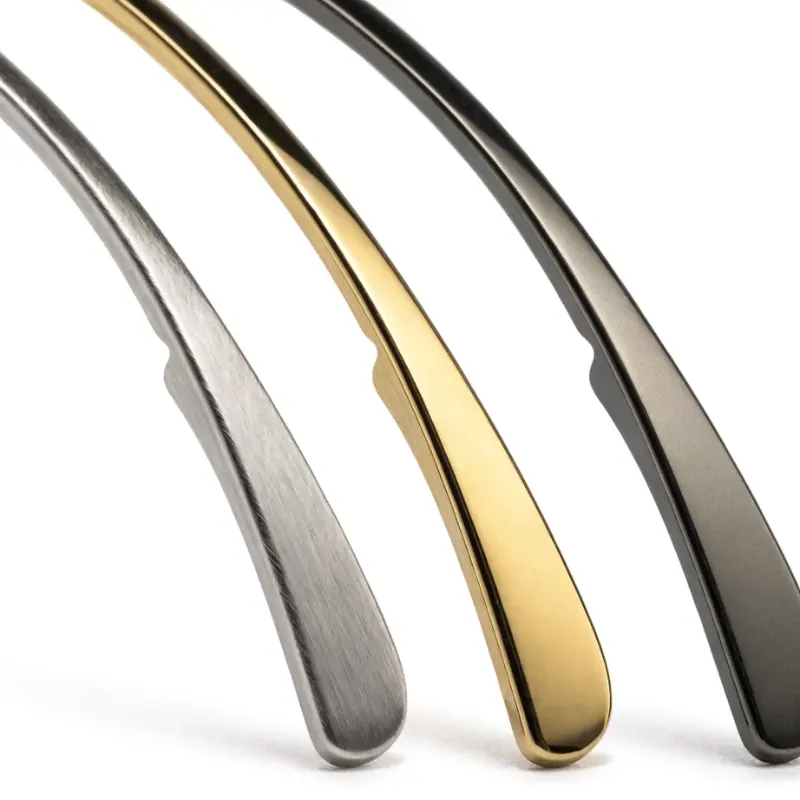
Metal is one of the most requested materials we hear from brand owners — and one of the most misunderstood. “Metal sunglasses” sounds like a single category, but the difference between a stainless steel frame and a titanium frame is closer to the difference between two entirely different products: different cost, different weight, different positioning, different customer.
If you’re considering metal for your next collection, the decision isn’t whether metal is a good material — it clearly is, for the right product. The real decision is which metal, at what price point, with what finish, for which segment of your customer base. Learn more about our metal sunglasses manufacturing capabilities.
This guide walks through that decision from the manufacturing side — the questions we ask brand clients before quoting a metal frame project, and the answers that actually shape the outcome.
Not All Metal Frames Are the Same Product
The biggest misconception we see from first-time buyers is treating “metal” as a single spec. In practice, the base metal you choose determines almost everything else about the frame — weight, price, durability, and what market segment it’s credible in.
Stainless Steel — The Versatile Standard
Stainless steel is the most common metal used in mid-range eyewear, and for good reason. It’s strong, corrosion-resistant, and cost-effective to machine and finish. It takes plating well — gold, silver, gunmetal, rose gold — and holds its shape under normal daily wear.
Where it fits: Mid-range collections, fashion-forward styles, brands that need a dependable metal option without premium-tier pricing.
Monel Alloy — The Budget-Conscious Option
Monel is a nickel-copper alloy that’s been used in eyewear for decades, especially in classic aviator and pilot styles. It’s affordable and highly formable, which makes it good for intricate frame shapes. The tradeoff: monel contains nickel, which means frames need a proper anti-allergy coating (commonly nickel-free plating) to avoid skin reactions for nickel-sensitive wearers.
Where it fits: Entry-to-mid tier collections, classic styles like aviators and wire-rim frames, brands prioritizing cost efficiency.
Titanium — The Premium Benchmark
Titanium is what brand owners mean when they say “premium metal.” It’s significantly lighter than stainless steel for the same structural strength, naturally hypoallergenic (no nickel coating required), and highly corrosion-resistant. It also costs more — both in raw material and in machining, since titanium is harder to work with than steel.
Where it fits: Premium and luxury collections, brands targeting customers with metal sensitivities, lightweight performance positioning.
Aluminum — The Fashion-Forward Niche
Aluminum is lightweight with a distinctive, slightly futuristic appearance, but it’s less flexible than steel or titanium, which limits it to frame designs that don’t require much temple flex. It anodizes beautifully, giving access to a wide and vivid color range that other metals can’t match.
Where it fits: Fashion and concept lines where color and visual statement matter more than maximum durability.
| Material | Weight | Cost Tier | Hypoallergenic | Best For |
|---|---|---|---|---|
| Stainless Steel | Medium | Mid-range | With coating | Versatile fashion & classic styles |
| Monel Alloy | Medium | Entry-mid | Needs coating | Aviators, cost-conscious collections |
| Titanium | Lightest | Premium | Naturally | Luxury, lightweight, sensitive skin |
| Aluminum | Light | Fashion/mid | With finish | Color-driven concept lines |
Surface Finish: Where Brand Identity Actually Lives
Two frames made from the same metal, with the same shape, can look like completely different products depending on finish. This is one of the most underused differentiation tools brand owners have — and one of the easiest to get wrong without manufacturing guidance.
Matte / brushed finish reads modern and technical. It’s forgiving of fingerprints and light scratches, making it a practical choice for everyday wear products.
Electroplating (gold, silver, gunmetal, rose gold) is the classic route to a luxury look. Plating thickness and process quality determine how long the finish lasts before showing base metal — this is a detail worth specifying precisely in your brief, not leaving to a generic “gold plating” instruction.
PVD (Physical Vapor Deposition) coating provides superior scratch resistance compared to standard electroplating, at a higher cost. For brands positioning at the premium tier, PVD is usually the better long-term investment — customers notice when a $200 frame starts showing wear after a few months, and PVD significantly reduces that risk.
Powder coating and painted finishes open up bold, saturated colors that plating can’t achieve, useful for fashion-forward or limited-edition drops.
Small finish details — polished rims against a matte body, dual-tone temples, a contrasting inner-arm color — are often what separates a frame that reads as “generic OEM” from one that reads as “designed.” These choices cost very little at the production stage but require being specified clearly in your development brief.
Construction Details That Affect Comfort and Return Rates
Material and finish get the most attention in early conversations, but the construction details are what determine whether a customer keeps wearing the frame — or returns it after a week.
Flexible temple arms reduce pressure points during extended wear, particularly important for thinner metal styles that sit closer to the head.
Adjustable silicone nose pads accommodate a wider range of face shapes than fixed metal nose pads, directly reducing the fit-related returns that are common in metal eyewear — metal frames have less natural give than acetate, so nose pad design matters more here than in plastic frame categories.
Spring hinges absorb the stress of repeated opening and closing, extending frame lifespan and improving everyday comfort. For metal frames specifically, spring hinge quality is often the difference between a frame that still feels tight after a year and one that’s developed a wobble after a few months.
Non-slip temple tips (typically acetate-tipped or rubberized) prevent the frame from sliding during activity — a detail that matters more for metal frames than people expect, since polished metal alone offers very little grip against skin.
These aren’t luxury add-ons. For a metal frame brand competing on comfort and quality, they’re the difference between a product customers wear daily and one that ends up in a drawer.
Customization: What’s Actually Possible on Metal Frames
A common assumption from first-time buyers is that metal frames are harder to brand than acetate. In practice, metal offers strong customization options — they’re just different from acetate’s painted or laser-etched approach.
Laser logo engraving on the temple is the standard, durable branding method for metal frames — permanent, precise, and works at almost any logo complexity level.
Inner-arm printing allows for model numbers, size information, or subtle brand text without disrupting the visual line of the frame.
Logo-etched lenses signal a premium product positioning — frequently used by luxury brands as a secondary branding touchpoint beyond the temple.
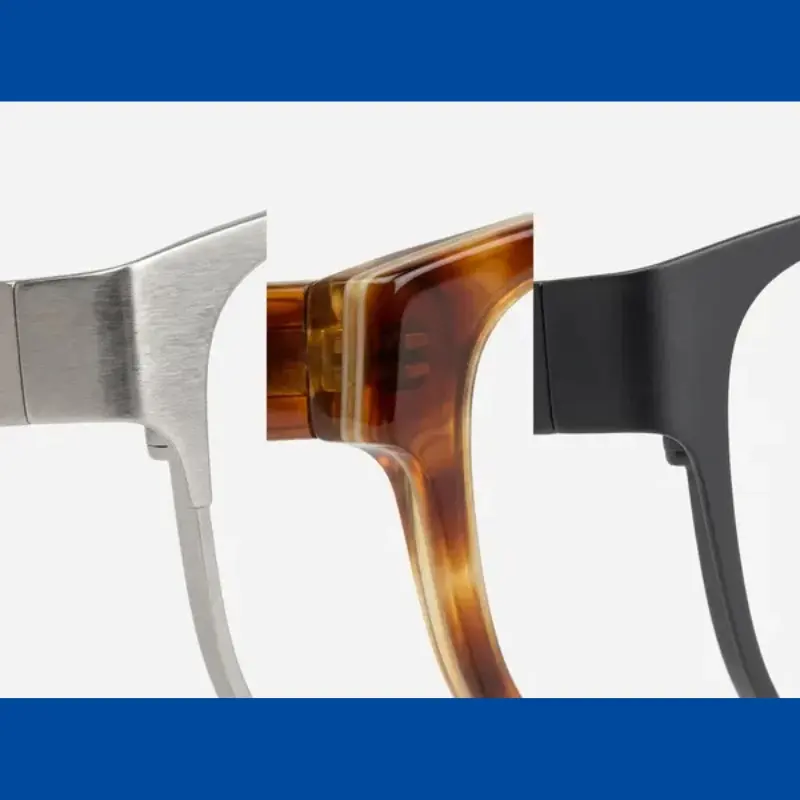
Combination frames (metal + acetate) are increasingly popular for brands wanting metal’s structural precision with acetate’s color and texture options — a hybrid that lets you differentiate without committing fully to either material’s constraints.
Packaging customization compounds the effect: a metal frame paired with a PU leather case or branded microfiber pouch creates an unboxing experience that reinforces the premium positioning the frame itself is signaling. For DTC brands especially, this combination is often what justifies the price point in customer perception.
What to Expect for MOQ, Cost, and Lead Time
This is the information most metal sunglasses content online leaves out — and it’s usually the first thing a serious brand buyer actually needs.
| Stage | Typical Range | Notes |
|---|---|---|
| MOQ (metal frames) | 300–500 pcs / style | Varies by complexity and finish |
| Tooling / mold development | Often included or low-cost for standard wire shapes | Complex sculptural designs may require separate tooling fee |
| Tech drawing confirmation | 2–3 working days | |
| Sampling | 2–3 weeks | Coating and plating add time over basic polish finishes |
| Bulk production | 60–90 working days | Varies by metal type, finish process, and order volume |
| EXW unit cost | $5–$30+ | Wide range depending on metal (including titanium), finish, and hardware complexity |
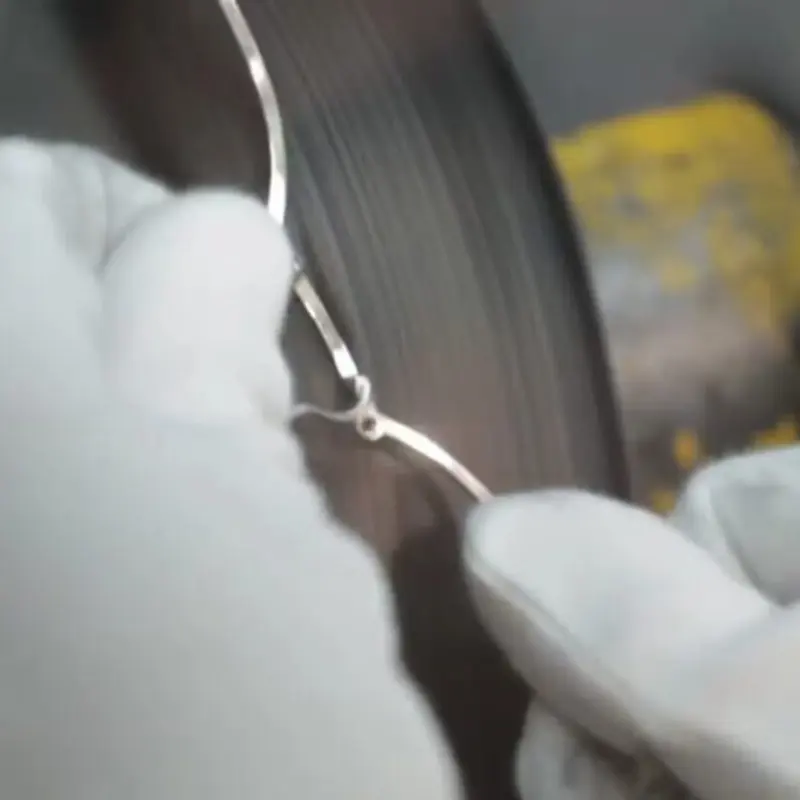
Metal production timelines generally run 60–90 working days, depending on metal type, finish process, and order volume. What often drives the longer end of that range is the finishing process itself — electroplating and PVD coating add real time to the schedule. This is why finish choice (matte vs. multi-layer plating vs. PVD) directly affects your realistic lead time, and it’s worth confirming with your factory at the brief stage rather than assuming a flat timeline across finish options.
How to Brief a Metal Sunglasses Project
Based on what consistently produces a smooth development process, here’s what to include when you approach a manufacturer about a metal frame project:
- Target metal (or open to recommendation based on your price point and positioning)
- Reference images — metal frame shape and finish are highly visual; references communicate more precisely than written descriptions
- Finish preference (matte, polished, plated color, PVD) and how durable it needs to be for your use case
- Hinge type — standard or spring hinge, and your expectation for daily-wear durability
- Logo placement and method — laser engraving, lens etching, or inner-arm print
- Target retail price — this single number helps a manufacturer recommend the right metal and finish combination before you’ve spent time sampling something outside your budget
A brief with these details, even in rough form, gets a far more useful and accurate first quote than a request that simply says “metal sunglasses, premium quality.”
The Practical Takeaway
Metal sunglasses earn their reputation in premium eyewear for real reasons — structural precision, a clean aesthetic that ages well, and finish options that plastic materials can’t fully replicate. But “metal” isn’t a single decision. It’s four or five decisions stacked together: which base metal, which finish, which hardware quality, which customization approach — each one shifting your cost, your positioning, and your customer’s experience.
The brands that get the most out of metal frames are the ones that treat these as deliberate choices made early, not defaults left to the factory. If you’re evaluating metal for an upcoming collection and want a clear picture of what’s realistic for your price point and timeline, take a look at our full metal sunglasses range, or start a conversation with our team directly — we’re happy to walk through the material and finish combination that fits your brand.
Frequently Asked Questions
What’s the difference between stainless steel and titanium sunglasses? Titanium is significantly lighter for the same structural strength, naturally hypoallergenic without requiring a nickel-free coating, and more corrosion-resistant — but it costs more in both raw material and machining. Stainless steel is a strong, versatile, cost-effective option that works well for most mid-range collections and accepts plating finishes reliably.
Is monel alloy safe for sensitive skin? Monel contains nickel, which can cause reactions in nickel-sensitive wearers if the frame isn’t properly coated. A quality manufacturer applies a nickel-free or hypoallergenic plating layer over monel frames specifically to address this — always confirm this coating is part of your spec if you’re sourcing monel frames for a broad consumer market.
How long does it take to develop a custom metal sunglasses style? From confirmed tech drawing to finished sample typically takes 2–3 weeks, with bulk production following in 60–90 working days depending on metal type and finish complexity. Finishing processes like electroplating and PVD coating are usually what extend the timeline — a simpler matte or polished finish moves faster than multi-layer plating.
Can metal frames be combined with acetate? Yes — combination frames pairing a metal core or temple structure with acetate fronts or accents are a common way to access acetate’s color and texture options while keeping the structural precision of metal. This hybrid approach is increasingly popular for brands wanting to stand out from purely single-material competitors.
What’s the minimum order quantity for custom metal sunglasses? Typical MOQ for custom metal frames runs 300–500 pieces per style, depending on design complexity and finish. Standard wire shapes with common finishes tend toward the lower end of this range; sculptural designs with multiple finish steps may require higher minimums to justify tooling and setup costs.
Let's get started!
Get in touch with a custom eyewear specialist now for a free consultation and instant price quote.
WHATSAPP ME GO!
📱 Scan with your phone to start chatting