Children's Eyewear Safety Standards for OEM Buyers: CPSIA, CE, and AS/NZS 1067.1
Search the U.S. Consumer Product Safety Commission’s recall database for children’s sunglasses and a pattern shows up fast: batch after batch pulled from shelves for the same reason — lead in the surface paint on the frame, not the lens, not the plastic itself, just the decorative coating. FGX International alone recalled roughly 260,000 pairs in 2007 and another 215,000 pairs in 2014 for exactly this violation, and Disney-branded sunglasses and StyleMark frames were pulled for the same reason in between. None of these were obscure factories cutting corners on cheap materials. They were licensed, brand-name products that failed on a detail most sourcing briefs never think to ask about.
That’s the real value of understanding children’s eyewear compliance as an OEM buyer: it’s not about memorizing acronyms, it’s about knowing which specific question to ask your factory before a batch ships, not after a retailer flags it.
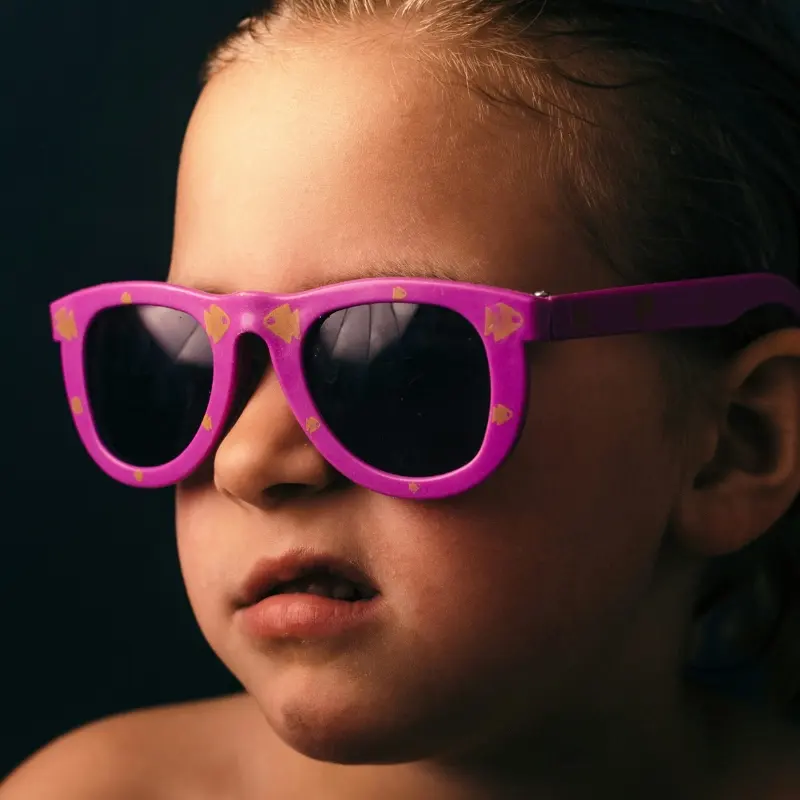
Why Children’s Sunglasses Need Their Own Compliance Checklist
A general “CE certified” or “meets international standards” claim from a supplier isn’t specific enough for a children’s line. Children’s eyewear sits under stricter rules than adult eyewear in every major market this guide covers — different lead limits, different labeling requirements, and in the case of the EU’s most recent standard revision, literally different head-shaped test forms used to measure fit. Sourcing a children’s collection means verifying compliance market by market, not accepting a single blanket certificate.
United States: CPSIA and What It Actually Requires
The Consumer Product Safety Improvement Act (CPSIA), enacted in 2008, governs any product designed or intended primarily for children 12 and under sold in the U.S. For a children’s sunglasses line, three requirements matter most:
- Lead limits. Lead in accessible substrate materials is capped at 100 ppm; lead in paint or surface coatings is capped at 90 ppm. This is the exact rule that has triggered the recalls discussed below.
- Phthalate limits. Certain phthalates are restricted to 0.1% in accessible plasticized components of toys and child care articles — whether this applies to a given sunglasses style depends on how the product is classified, which is worth confirming rather than assuming.
- Third-party testing and importer liability. Testing must be performed by a CPSC-accepted accredited lab — a factory’s in-house test report does not satisfy this requirement. Critically, the U.S. importer of record carries legal liability for compliance even when testing was conducted overseas by the factory. This is worth building into your supplier agreement explicitly, not assuming your manufacturer has covered it.
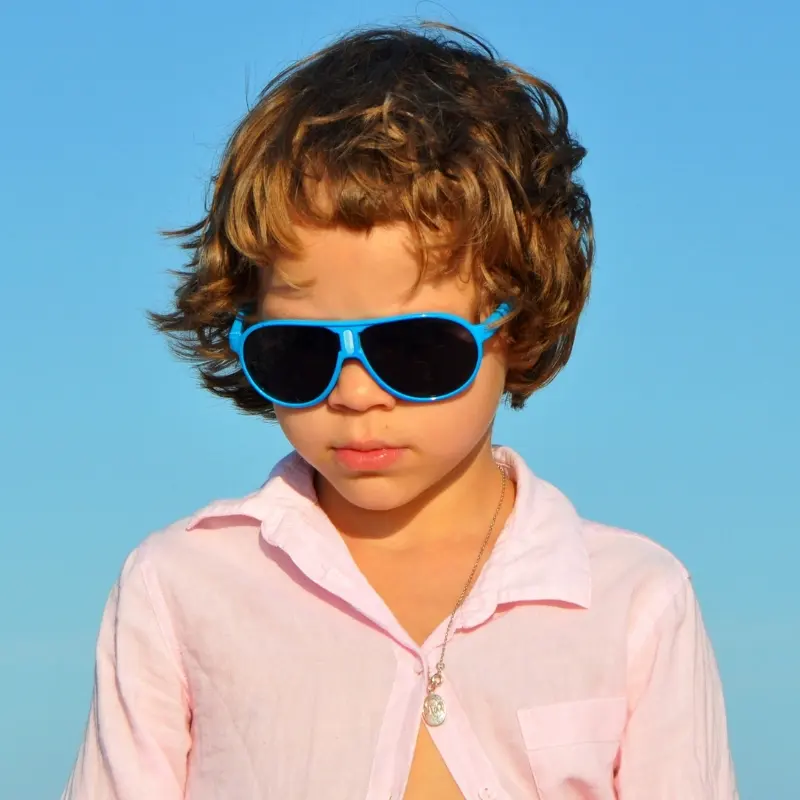
The Recurring Recall Pattern Worth Learning From
Every major CPSC recall of children’s sunglasses on record shares the same root cause: lead in the surface paint or printed decoration on the frame, not the frame material itself. This is a narrow, specific, and entirely testable risk — which makes it one of the easiest compliance failures to prevent and one of the most damaging to overlook. When sourcing a children’s line, it’s worth asking your manufacturer for a lead test report on the finished, painted or printed frame specifically, not just a general material safety declaration for the base plastic or metal.
European Union: CE Marking and EN ISO 12312-1
For the EU market, the CE mark on sunglasses corresponds to a specific technical standard: EN ISO 12312-1. The standard classifies lenses into five filter categories (0 through 4) based on visible light transmittance, with category 3 covering most everyday sunglasses and category 4 reserved for extreme glare conditions like high-altitude or snow environments — category 4 lenses are generally unsuitable for driving and for continuous daily wear.
What’s easy to miss is that the most recent revision of this standard (ISO 12312-1:2022) added provisions specifically for children’s sunglasses: it extended side-protection requirements to children’s sunglasses fitted with category 4 filters, and testing now uses two dedicated child head-form sizes based on ISO 18526-4:2020, rather than relying solely on adult head forms. In other words, the standards body itself treats children’s sunglasses as a distinct testing category, not a scaled-down version of an adult product — which is a useful point to raise with a factory that treats “CE” as a single checkbox regardless of age group.
It’s also worth noting, for any collection that includes metal components, that the EU applies separate nickel release limits (EN 1811) to metal parts in prolonged skin contact — a consideration that runs parallel to the hypoallergenic material questions we cover in our titanium sunglasses for kids and sensitive skin guide.
Australia and New Zealand: AS/NZS 1067.1
Australia takes a stricter regulatory approach than most markets. Since 1 July 2019, all sunglasses and fashion spectacles sold in Australia — explicitly including children’s sunglasses — must comply with the Consumer Goods (Sunglasses and Fashion Spectacles) Safety Standard 2017, which is based on sections of AS/NZS 1067.1:2016. This is a mandatory standard enforced by the Australian Competition and Consumer Commission, not a voluntary certification.
A few points worth flagging for buyers sourcing for the Australian market specifically:
- Sunglasses tested to the Australian standard generally offer more UV protection than sunglasses tested only to international standards — passing CE or ANSI testing does not automatically satisfy AS/NZS 1067.1.
- Labeling requirements are specific: assembled sunglasses must display the identity of the manufacturer or supplier, the lens category number and description, and — where applicable — a notice that the product is not suitable for driving.
- The standard sets separate transmittance limits for adult and children’s sizing, meaning a style tested only against the adult size specification hasn’t been verified for a children’s version of the same frame.
Why Children’s Sunglasses Aren’t Just Smaller Adult Sunglasses
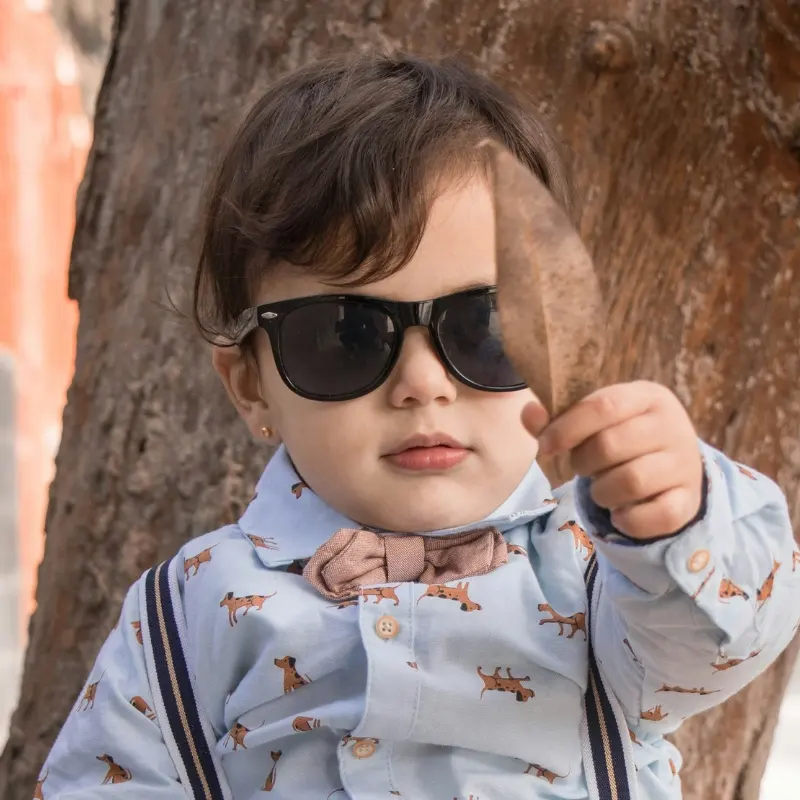
Across all three regulatory frameworks, a consistent theme shows up: children’s eyewear is treated as its own product category, with its own test methods, rather than as an adult product scaled down in size. The EU standard uses dedicated child head forms. The Australian standard sets separate limits for children’s sizing. The U.S. framework applies stricter product-safety rules purely based on the age of the intended user, regardless of how similar the manufacturing process is to an adult product.
For an OEM buyer, the practical takeaway is to treat a children’s line as requiring its own compliance documentation — not an extension of whatever paperwork already exists for an adult sunglasses collection built from the same materials.
A Market-by-Market Verification Checklist for OEM Buyers
| Target Market | Standard | What to Request From Your Manufacturer |
|---|---|---|
| United States | CPSIA | Lead test report on the finished, painted/printed frame (not just base material); third-party CPSC-accepted lab report; written Children’s Product Certificate |
| European Union | CE / EN ISO 12312-1 | Filter category test report; confirmation of which head-form standard was used for fit testing; nickel release test for metal components (EN 1811) |
| Australia / New Zealand | AS/NZS 1067.1 | Test report specific to AS/NZS 1067.1 (not a substitute international report); correct lens category labeling; children’s-size-specific transmittance data if applicable |
This checklist is a starting point, not a substitute for legal or regulatory advice — requirements are updated periodically, and a compliance consultant or accredited testing lab (SGS, Intertek, TÜV, QIMA) should confirm current requirements before a first production run.
Frequently Asked Questions
Is CE certification enough for a children’s sunglasses line sold in Australia?
No. CE certification confirms compliance with EN ISO 12312-1 for the EU market, but Australia enforces its own mandatory standard, AS/NZS 1067.1, which is generally stricter on UV transmittance and has its own labeling requirements. A product certified for the EU market should still be tested against AS/NZS 1067.1 before being sold in Australia.
What’s the most common reason children’s sunglasses get recalled in the U.S.?
Based on CPSC recall history, the most frequent cause is lead in the surface paint or printed decoration on the frame, rather than an issue with the base frame material. This is a specific, testable risk worth confirming directly with your manufacturer on the finished, decorated product.
Do children’s sunglasses need to pass different tests than adult sunglasses under the same brand?
In most major markets, yes. The EU’s current sunglasses standard uses dedicated child head-form sizes for fit testing, and Australia’s standard sets separate transmittance limits for children’s sizing. A style that passes testing as an adult product hasn’t automatically been verified for a children’s version built from the same design.
Who is legally responsible if a children’s sunglasses import fails a safety standard in the U.S.?
Under CPSIA, the U.S. importer of record carries legal liability for compliance, even when testing was conducted overseas by the manufacturer. This is worth clarifying explicitly in a supplier agreement rather than assuming the factory’s certification covers the importer’s legal obligations.
Does frame material affect which safety standards apply?
Material affects specific test requirements rather than which overall standard applies. Metal components sold into the EU, for example, are subject to separate nickel release limits, which is a relevant consideration alongside the broader children’s eyewear material decisions a brand makes before finalizing a development brief.
Let's get started!
Get in touch with a custom eyewear specialist now for a free consultation and instant price quote.
WHATSAPP ME GO!
📱 Scan with your phone to start chatting