Private Label Sports Sunglasses: A Getting Started Guide for New Brands
Before choosing a manufacturer, most new brands run into the same fork in the road: OEM, ODM, or private label — and which one actually fits a first sports sunglasses order. We’ve covered the differences between these three models in detail here, so this guide won’t repeat that groundwork.
What it will cover is something more specific: once you’ve picked a manufacturing model, what does a first sports sunglasses project actually require — from choosing your sport category to avoiding the mistakes that slow most new brands down before their first sample even ships.
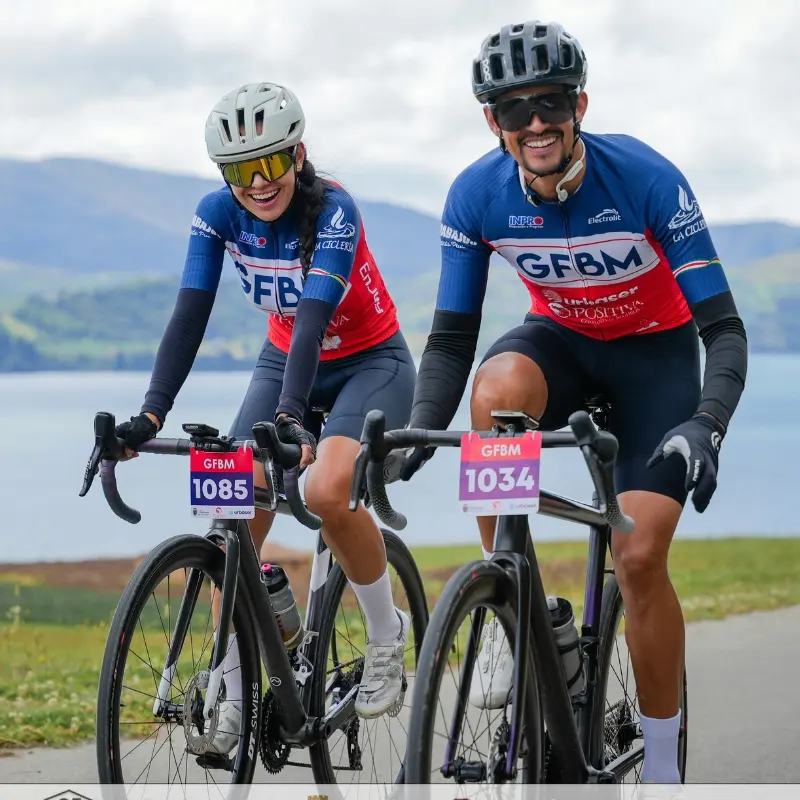
Why Sports Sunglasses Are a Popular Entry Point for New Brands
Outdoor participation — cycling, running, hiking, trail sports — has been climbing steadily, and eyewear brands and fitness apparel companies are following that demand into performance eyewear as a natural product extension. It’s a category with clear functional value (protection, visibility, comfort), which makes it easier to market than a purely fashion-driven sunglasses line, and easier to justify a premium price point when the performance story is real.
That said, sports sunglasses are also one of the more technical categories to develop. Unlike a fashion frame, a sports sunglasses buyer isn’t just choosing a shape and a color — they’re choosing a lens strategy, a fit system, and a positioning within a specific sport. Getting those decisions right the first time saves weeks of back-and-forth with your factory.
Start With the Sport, Not the Style
The single biggest difference between developing sports sunglasses and developing a general fashion sunglasses line is this: the sport comes first, the style comes second.
A wraparound shield frame built for road cycling has almost nothing in common — structurally — with a lightweight half-frame built for trail running, even if both look “sporty” in a product photo. Before you talk to a factory about frame shapes, colors, or logo placement, it helps to be clear on:
- Which sport or activity is this product for? Cycling, running, golf/tennis, fishing, hiking, or general active/outdoor use each pull the design in a different direction.
- What’s the brand positioning? Entry-level, mid-range performance, or premium technical eyewear — this affects material choice, lens grade, and packaging from day one.
- What does the customer actually need the lens to do? Reduce glare on water, increase contrast on trail terrain, adapt across changing light on an early-morning ride — these are different lens jobs, even though all of them fall under “sports sunglasses.”
- Where will this sell? A DTC online launch, a wholesale line for outdoor retailers, or an add-on category for an existing apparel brand each come with different volume and packaging expectations.
A factory can help you translate any of these answers into frame and lens recommendations. But arriving with at least a rough answer to “what sport, what price tier, what lens priority” turns the first conversation into a working session instead of a guessing game.
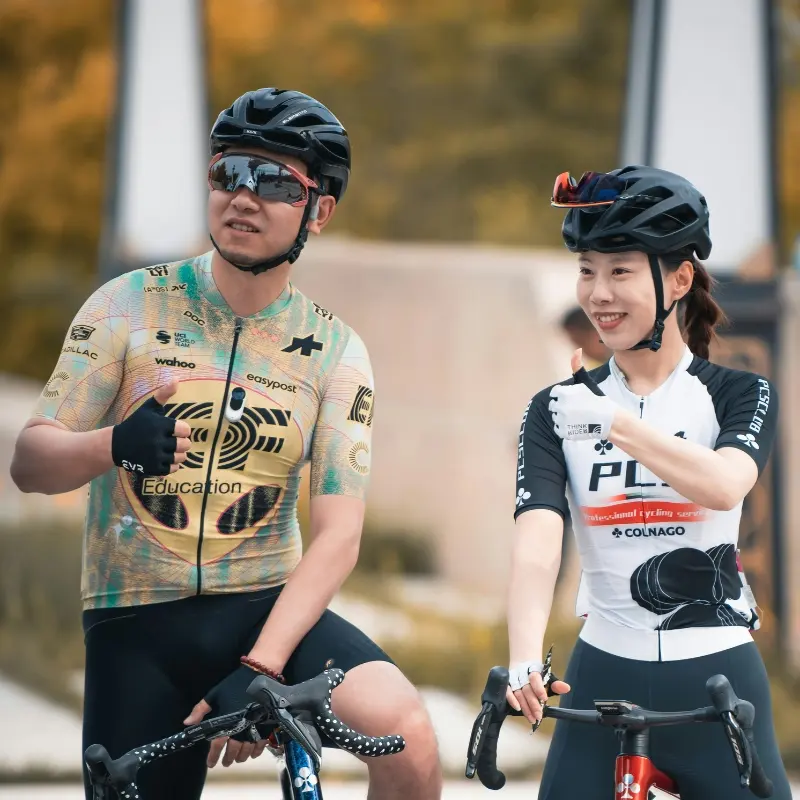
How Much Customization Do You Actually Need?
New brands often assume private label means picking a logo placement and little else — or they assume it means designing everything from scratch. In practice, most first sports sunglasses projects land somewhere in between, and it helps to think of it as a spectrum:
Level 1 — Existing frame, your branding. You select from a factory’s proven sports sunglasses shapes and apply your logo, color story, and lens choice. This is the fastest and lowest-risk way to test a sports sunglasses category, since the frame structure is already validated for fit and durability.
Level 2 — Existing frame, adjusted lens and color program. Same base structure, but the lens configuration (polarized, photochromic, contrast-enhancing tints) and color palette are built specifically for your target sport and customer.
Level 3 — Semi-custom structural adjustments. The factory modifies details on an existing frame — nose pad shape, temple curve, ventilation channels — to better fit your target activity or a specific fit complaint from testing.
Level 4 — Full custom development with new tooling. A frame built from your own concept or reference, with new molds. This gives you full structural exclusivity, but it’s a longer runway — new tooling for sports sunglasses frames typically runs from around $1,000 up to $23,000 depending on complexity, and a full development cycle takes longer than starting from an existing shape.
Most new brands are better served starting at Level 1 or 2, validating the product with real customers, and only moving toward full custom tooling once a specific style has proven itself in the market. That’s not a compromise — it’s the sequence that protects your budget while you’re still learning what your customer actually wants.
Lens Decisions That Matter for a First Order
The lens is where most of the “sports” performance actually lives, and it’s worth getting right before you commit to a frame. A few practical points that come up often with new brands:
- Polarized lenses cut glare well on water and reflective road surfaces, but some cyclists and ball-sport athletes find they interfere with reading bike computer screens or reduce depth perception on variable terrain.
- Contrast-enhancing and photochromic lenses tend to perform better for cycling, running, and trail sports, since they help the eye pick out obstacles and terrain changes rather than simply cutting brightness.
- Lens material affects both weight and impact resistance — PC (polycarbonate) is the standard choice for most cycling and running sunglasses because it’s lightweight and impact-resistant, while nylon lenses are sometimes used for a more premium optical feel.
If your brand is targeting a single sport for its first collection, it’s worth deciding the lens priority before the frame shape, not after — the lens function often dictates how much wraparound coverage or ventilation the frame needs.
Packaging That Matches Your Brand Stage
Packaging is often the first physical touchpoint between your brand and the customer, and it doesn’t need to be expensive to feel intentional — it needs to match where your brand actually is right now.
- Early-stage / online launch: a branded microfiber pouch and cleaning cloth is usually enough, and keeps first-order costs manageable.
- Wholesale / retail distribution: a molded hard case tends to hold up better through shipping and shelf handling.
- Premium or technical positioning: a structured case plus a printed insert explaining lens technology or fit features can reinforce the performance story you’re selling.
There’s no need to over-invest in packaging before you’ve validated the product itself. It’s easier — and cheaper — to upgrade packaging on a reorder than to redesign an entire product line.
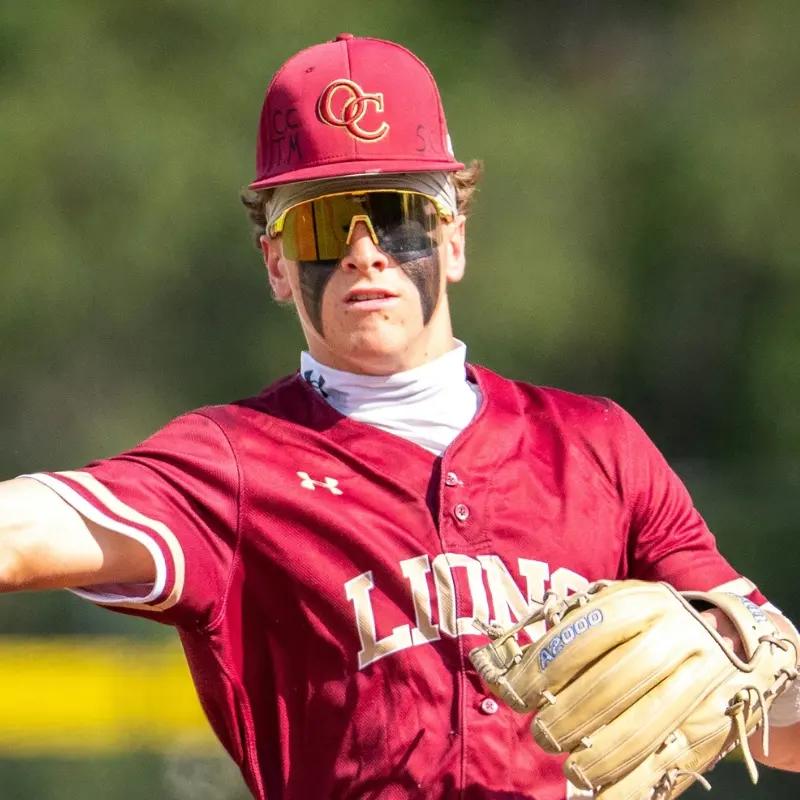
The Most Common Mistake New Sports Sunglasses Brands Make
Almost every delay we see in a first sports sunglasses project traces back to the same root cause: trying to launch too many styles, colors, and lens combinations at once.
It’s an understandable instinct — more options feel like more chances to find what sells. But in practice, it multiplies sampling rounds, slows down approval, and spreads your first production run thin across SKUs that haven’t been market-tested yet.
A more workable approach for a first order: pick one sport category, three to five frame styles, and a focused color and lens range. Validate what actually sells, then expand the collection with real sales data behind the decision rather than a guess.
What to Prepare Before Your First Inquiry
A factory can work with almost any starting point — a finished tech pack, a reference photo, or just a clear idea in your head. But the more of the following you can share upfront, the faster the first round of quoting and sampling moves:
- Target sport and activity (cycling, running, golf/tennis, fishing, general outdoor)
- Target market and rough price positioning
- Frame style preference or reference images, if you have any
- Lens requirement (polarized, photochromic, contrast-enhancing, or open to recommendation)
- Logo file and color direction
- Packaging idea, even if it’s just “simple pouch to start”
- Estimated first order quantity
- Target retail price point
You don’t need finalized specifications to start a conversation — most sports sunglasses projects begin with a rough direction and get refined together with the factory during sampling.
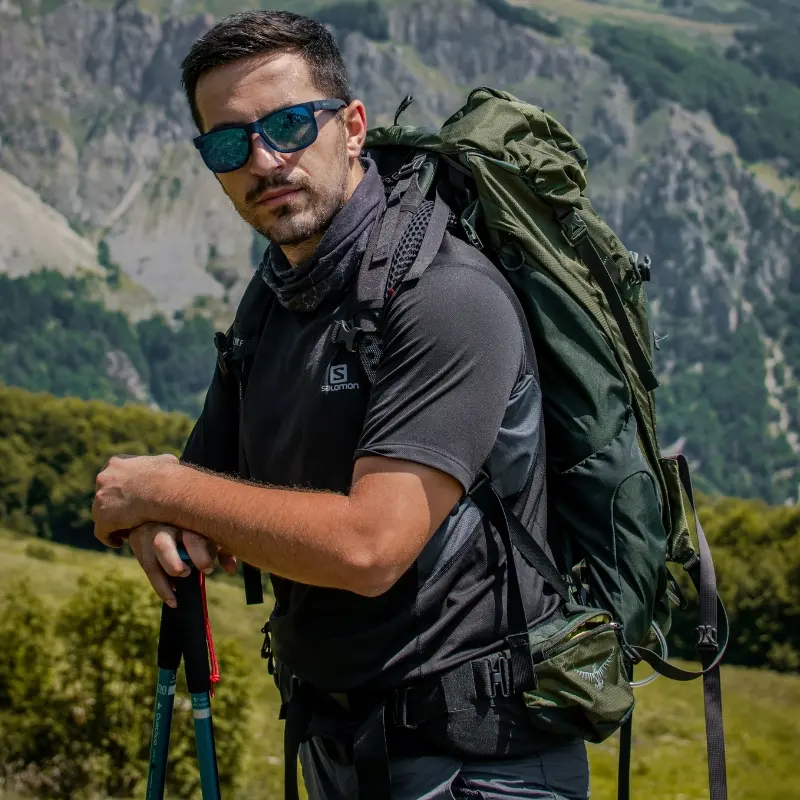
Frequently Asked Questions
What’s the minimum order quantity for private label sports sunglasses?
For TR90 and injection-molded sports frames — the most common materials for this category — MOQ typically starts around 1,200 pieces per style. Actual minimums can vary depending on lens type, color count, and logo method, so it’s worth confirming against your specific product plan.
Do I need a finished design to start a private label sports sunglasses project?
No. Many projects begin with a reference frame, a mood board, or simply a description of the sport and positioning you’re targeting. A factory’s design team can help translate that into a workable spec before sampling starts.
How long does a first sports sunglasses sample take?
Sampling generally takes a few weeks depending on design complexity and lens configuration, with bulk production following sample approval — typically 45 to 60 days for standard TR90/injection builds.
Should I launch with polarized or photochromic lenses first?
It depends on the sport. Water and glare-heavy activities usually favor polarized lenses, while cycling, running, and variable-light conditions often perform better with photochromic or contrast-enhancing lenses. It’s worth deciding this before locking the frame shape.
Getting a sports sunglasses collection right on the first order usually comes down to fewer, better-defined decisions rather than more options — which is worth keeping in mind before diving into the frame, lens, and material choices that shape the rest of the development process.
Let's get started!
Get in touch with a custom eyewear specialist now for a free consultation and instant price quote.
WHATSAPP ME GO!
📱 Scan with your phone to start chatting