Titanium Sunglasses Finishing Options: Brushed, PVD, Plated
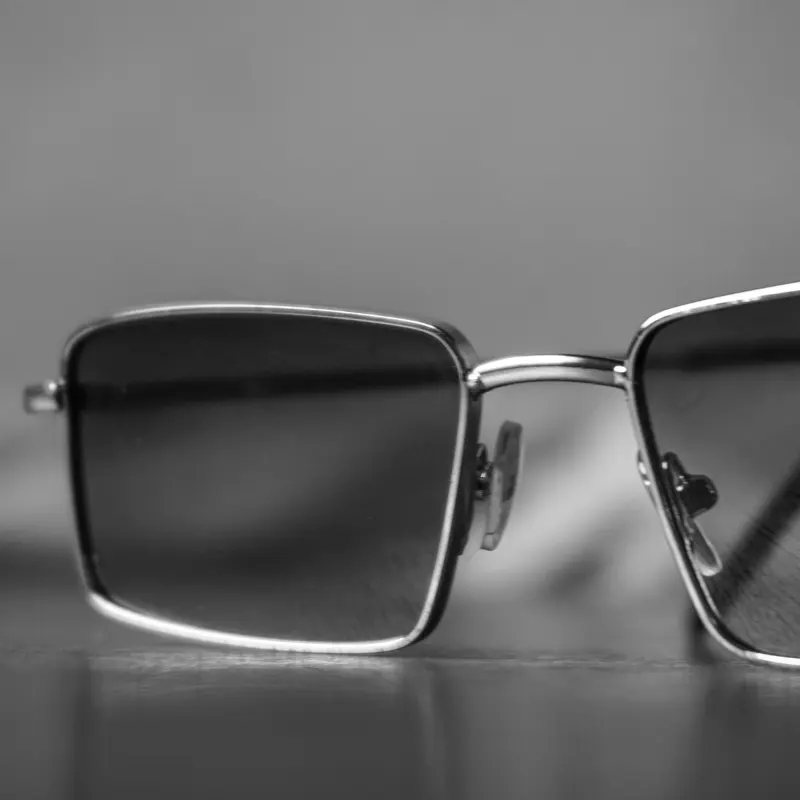
The frame shape and the material grade usually get decided first in a titanium sunglasses brief — the surface finish often gets specified almost as an afterthought, a single word like “matte” or “shiny” dropped into a tech pack without much more detail. That’s a gap worth closing, because finish isn’t just an aesthetic choice on titanium. It changes how the frame feels to touch, how it ages over years of wear, and in some cases how durable the surface actually is.
This guide breaks down the finishing methods that actually matter for titanium sunglasses — brushed, polished, PVD-coated, and anodized — what each one physically does to the metal, and which combination fits which product position.
Why Finish Matters More on Titanium Than Other Metals
Titanium’s natural surface, left unfinished, is a dull silver-gray that doesn’t show off the material’s actual qualities. Every titanium frame you’ve seen with a distinctive look — a deep matte texture, a mirror shine, a gold or gunmetal tone — got there through a deliberate finishing process applied after the frame is shaped.
This matters more for titanium than for materials like stainless steel partly because titanium is being chosen specifically for its premium positioning, which means the surface finish carries more of the burden of communicating that premium feel. A scratch or a dull patch on a $15 frame reads differently than the same flaw on a frame priced to reflect titanium’s material and processing cost. Finish quality and finish durability are part of what a customer is implicitly paying for.
It’s also worth knowing that finish isn’t purely decorative. Different finishing processes change surface roughness, which affects friction, grip, and how the surface interacts with skin oils and sweat over time — not just how the frame looks under store lighting.
Brushed Finish: Texture Through Controlled Abrasion
A brushed finish is created by mechanically abrading the titanium surface in a consistent direction, producing fine parallel lines that scatter light rather than reflecting it directly. The result reads as understated and modern compared to a high-shine polish — it’s the finish most associated with quiet, premium minimalism in titanium eyewear.
Surface roughness — commonly measured as Ra, average roughness — is the technical parameter that distinguishes a fine brush from a coarse one. A finer brush produces a smoother, more subtle texture; a coarser brush is more pronounced and tactile. This is a spec worth discussing explicitly with your manufacturer rather than leaving as “brushed” on a brief, since the difference between a fine and coarse brush is significant enough to change the entire character of the frame.
Brushed titanium also has a practical advantage: the texture does a reasonable job of disguising minor surface marks that would show clearly on a mirror-polished frame, since the existing texture already breaks up reflected light.
Polished Finish: Maximum Shine, Maximum Visibility
A polished finish is the opposite approach — surface roughness is minimized to produce a mirror-like reflective shine. This is the finish most associated with a bold, high-shine luxury look, and it shows off the smoothness of the underlying metalwork more directly than a brushed or matte surface.
The tradeoff is visibility of imperfections. A highly polished surface shows fingerprints, light scratches, and dust more readily than a brushed or matte finish, simply because there’s no existing texture to disguise minor marks. This isn’t a reason to avoid polish — high-shine titanium remains a strong choice for certain product positioning — but it’s worth setting accurate customer expectations around maintenance, which connects directly to the kind of care guidance brands should be giving customers for any premium eyewear material, titanium included.
PVD Coating: A Functional Layer, Not Just a Color
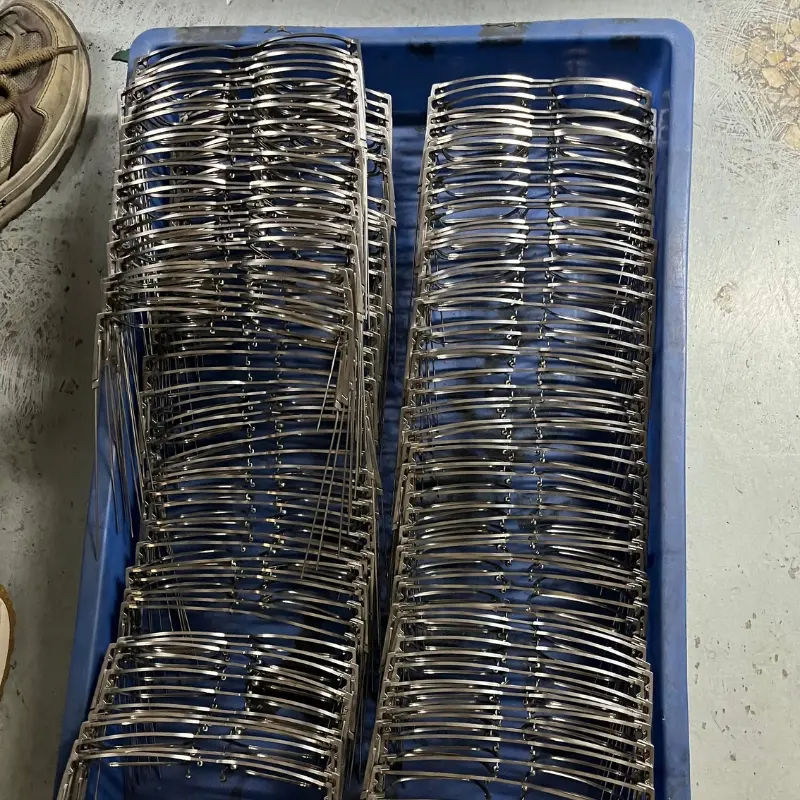
PVD (physical vapor deposition) is a vacuum coating process where metal source material is vaporized and then deposited onto the titanium surface as an extremely thin, dense layer — typically just a few microns thick. This isn’t paint or dye sitting on the surface; it’s a hard, adherent coating with its own mechanical properties.
Color in PVD coating comes from the specific combination of metal and reactive gas used during deposition — titanium combined with nitrogen produces gold tones, while adjusting the carbon content shifts the result toward black, with a range of golds, gunmetals, and blacks achievable depending on the exact recipe and process parameters. Coating duration and temperature also affect the final color depth and evenness, which is why PVD color consistency across a production batch is a real quality-control variable worth confirming with your manufacturer, not an assumption.
The functional case for PVD is genuinely strong: the coating significantly increases surface hardness and scratch resistance compared to the bare metal beneath it, and it holds up better under daily wear than traditional electroplating, which tends to wear thin over time with repeated contact. PVD coatings are also more chemically stable and considered a cleaner process than traditional electroplating, which is a relevant factor for brands positioning around sustainability as well as durability.
| Finish | What It Changes | Primary Strength | Tradeoff |
|---|---|---|---|
| Brushed | Surface texture, light scatter | Disguises minor marks, modern look | Less dramatic shine |
| Polished | Surface smoothness, reflectivity | Maximum shine, shows off metalwork | Shows fingerprints and marks readily |
| PVD coating | Hardness, color, wear resistance | Most durable, widest color range | Highest process cost |
| Anodized | Oxide layer thickness, color | Lightweight, skin-friendly, fade-resistant | Narrower, more metallic color range |
PVD vs. Anodizing: Two Different Ways to Add Color
If you’ve worked through anodized color options for titanium already, it’s worth being precise about how PVD differs, since both processes add color to titanium and brands sometimes treat them as interchangeable when they aren’t.
Anodizing changes the metal’s own oxide layer through an electrochemical process — no material is added to the surface, which is why anodized titanium tends to feel more like bare metal: lightweight, skin-friendly, and resistant to fading since the color is structural to the oxide layer itself. PVD, by contrast, deposits an actual coating on top of the metal — a separate material layer with its own thickness, hardness, and wear characteristics, which is why PVD reads as a more deliberately “finished,” high-gloss product with a wider and more vivid color range, including true blacks and rose golds that anodizing typically can’t produce with the same intensity.
Neither process is universally better. Anodized titanium suits a brand prioritizing the most natural, lightest possible feel and a more limited but genuinely titanium-specific color palette. PVD suits a brand wanting a more vivid, durable, high-shine result and is willing to take on the coating as part of the construction rather than a property of the bare metal itself.
A Note on Anti-Fingerprint (AF) Coating
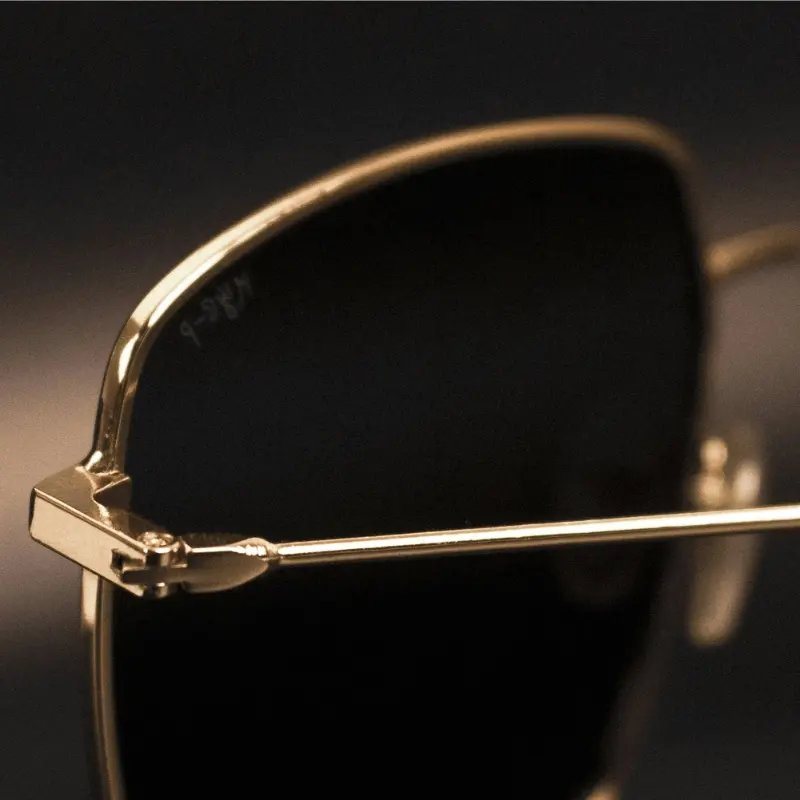
A less commonly discussed finishing option worth knowing about: anti-fingerprint coating is a thin protective treatment applied to reduce visible fingerprints, smudges, and oil buildup on the metal surface. It doesn’t meaningfully change the frame’s mechanical properties, but it’s a practical addition for high-polish or PVD-finished frames specifically, since those finishes are the ones most prone to showing fingerprints in the first place. This is a detail worth raising with your manufacturer if you’re specifying a polished or glossy finish and want to reduce the maintenance burden that comes with it.
How to Match Finish to Product Position
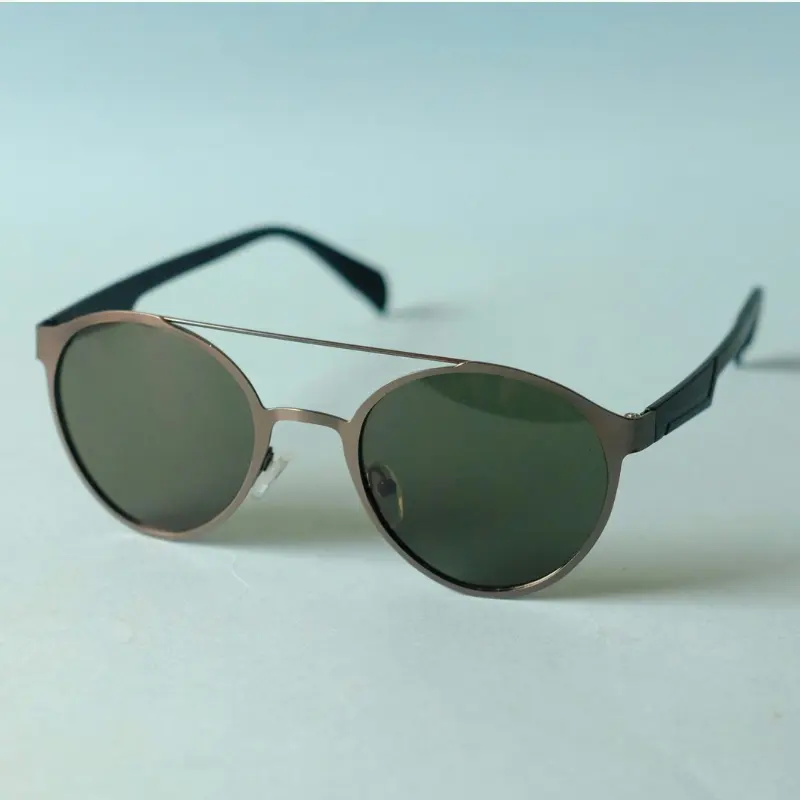
A few practical starting points for matching finish choice to where a product sits in your line:
Quiet, premium minimalism — brushed titanium, fine roughness, often paired with subtle inside-temple branding rather than a high-shine, attention-pulling surface. This combination reads as confident rather than flashy.
Bold, high-shine flagship pieces — polished titanium or vivid PVD coloring (deep black, gunmetal, rose gold), where the finish itself is part of the design statement rather than a backdrop to it.
Daily-wear, durability-focused positioning — PVD coating specifically, given its scratch resistance advantage over both bare polished titanium and traditional plating, particularly relevant for product lines marketed around all-day or active use.
Natural, lightweight-feel positioning — anodized color over PVD, since anodizing doesn’t add a coating layer and keeps the frame closer to titanium’s bare-metal weight and feel, which matters for brands building their pitch specifically around titanium’s lightness.
None of these are fixed rules — a brand can reasonably mix finishes across a single collection, using brushed titanium for a core line and PVD for a more expressive seasonal release. The point is matching the finish’s actual physical properties to what the product needs to deliver, rather than choosing based on which sample looked best under showroom lighting.
The Practical Takeaway
Titanium sunglasses surface finish is a functional decision as much as an aesthetic one — it affects how the frame feels, how visible wear shows up over time, and in the case of PVD, the actual scratch resistance of the surface. Brushed and polished finishes change how light interacts with the bare metal; PVD and anodizing each add color through genuinely different mechanisms, with different tradeoffs in feel, durability, and color range. Getting specific about which finish and why — rather than leaving “matte” or “shiny” as the only spec on a brief — is what keeps a sample from coming back looking different than what the brand actually pictured.
Frequently Asked Questions
What’s the difference between brushed and polished titanium? Brushed titanium has fine parallel texture lines created by mechanical abrasion, scattering light for a subtle, modern look that also disguises minor surface marks. Polished titanium has minimal surface roughness for a mirror-like shine, showing off the metalwork more directly but also showing fingerprints and light scratches more readily.
Is PVD coating better than anodizing for titanium sunglasses? Neither is universally better — they serve different goals. PVD adds a hard, durable coating with a wider and more vivid color range, including true blacks, at the cost of being a separate material layer. Anodizing changes the metal’s own oxide layer without adding material, producing a more lightweight, skin-friendly result with a narrower, more metallic color range.
Does PVD coating wear off over time? PVD coatings are significantly more durable and scratch-resistant than traditional electroplating, and hold up well under normal daily wear. Like any surface treatment, extreme or repeated abrasion can eventually affect the coating, but PVD’s hardness and adhesion make it considerably more wear-resistant than older plating methods.
Why does polished titanium show fingerprints more than brushed titanium? A polished surface has minimal texture, so oils and marks sit visibly on a smooth, reflective surface with nothing to break up the light. Brushed titanium’s existing texture scatters light and disguises minor marks more effectively, which is part of why it’s often chosen for lower-maintenance daily-wear products.
Can a single titanium frame combine multiple finishes? Yes, and it’s a common design approach — a brushed front combined with polished hardware accents, or a PVD-coated frame with anodized temple details, for example. Combining finishes adds complexity to production and quality control, so it’s worth confirming with your manufacturer how consistently the combination can be reproduced across a full production run.
Does finish affect how hypoallergenic titanium is? Generally no — titanium’s hypoallergenic property comes from the base metal itself, not the surface finish. PVD coatings are also commonly used in medical and biocompatible applications, so a quality PVD coating doesn’t meaningfully change titanium’s allergy-safe properties. As with any finish, surface quality and consistency still matter for overall comfort against skin.
Let's get started!
Get in touch with a custom eyewear specialist now for a free consultation and instant price quote.
WHATSAPP ME GO!
📱 Scan with your phone to start chatting