Titanium Eyewear Customization: Logo Engraving, Color, and Branding Options
Most advice on branding titanium eyewear stops at “keep it subtle” — true, but not actionable on its own. A brand brief still needs to land on a specific logo method, a specific color approach, and a specific placement, and those decisions come with real tradeoffs in cost, MOQ, and what’s physically achievable on a titanium frame versus what’s achievable on acetate.
This guide covers the actual mechanics: how titanium’s signature color process works and why it’s different from any other eyewear material, which logo techniques fit which brand position, and where customization on titanium runs into real limits — not just style preferences.
Why Titanium Customization Works Differently Than Acetate
If you’ve worked through color decisions for an acetate collection, the titanium process will feel unfamiliar at first. Acetate color comes from pigmented sheet material — the color exists in the material itself before the frame is ever cut. Titanium color works on the opposite principle: the metal itself has no inherent color beyond its natural silver-gray, and color is added afterward through a surface process called anodizing.
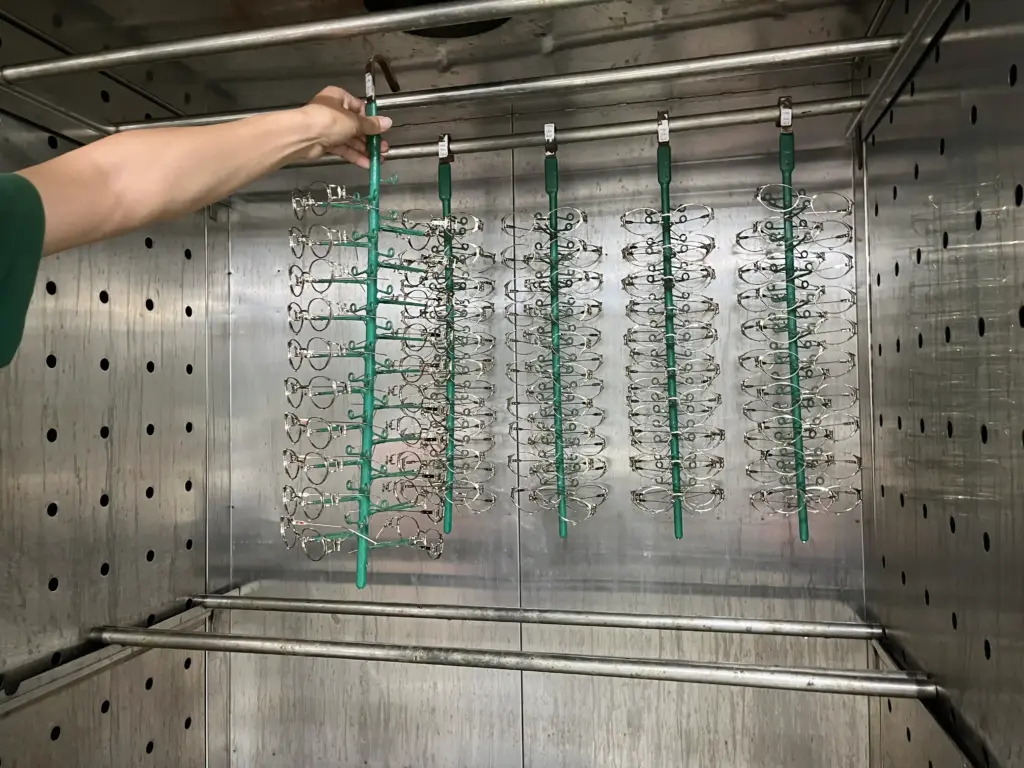
Anodizing doesn’t apply pigment to the metal. It works by controlling the thickness of the natural oxide layer that forms on titanium’s surface through an electrochemical process — different oxide thicknesses bend light differently, which produces different visible colors, the same physical principle behind the colors you see in an oil slick or a soap bubble. This means titanium color is structural in its own way, just through a completely different mechanism than acetate’s pigmented sheet material.
The practical implication: titanium color development isn’t a question of selecting a pigment formula, it’s a question of controlling voltage and timing during the anodizing process. This is why titanium color conversations with your manufacturer sound different from acetate color conversations — you’re not browsing a sheet catalog, you’re discussing achievable oxide-layer colors and tolerances.
How Anodizing Actually Works, and What Colors Are Achievable
There are two standard grades of anodizing used in titanium manufacturing, and they serve different purposes.
Type 2 anodizing is the industrial-grade process, prioritizing durability and corrosion resistance over color range. It produces a limited set of finishes and is more commonly used where surface protection matters more than aesthetic variety — less relevant for most eyewear branding purposes, but worth knowing the term exists, since some suppliers use it as the default.
Type 3 anodizing (sometimes called color anodizing) is what most titanium eyewear color development actually uses. By precisely varying voltage during the process, this method produces a genuine range of visible colors — blues, purples, golds, and iridescent rainbow effects are the most common results, achieved by controlling oxide thickness rather than applying pigment.
| Anodizing Type | Primary Purpose | Color Range | Common Eyewear Use |
|---|---|---|---|
| Type 2 | Durability, corrosion resistance | Limited | Less common for visible branding color |
| Type 3 (color anodizing) | Visual color development | Blues, purples, golds, iridescent effects | Standard for titanium frame color |
The Honest Limitation: Anodized Color Has a Narrower Range Than Acetate
This is the part most customization guides skip, and it’s worth being direct about before a brand briefs a titanium color expecting acetate-level flexibility.
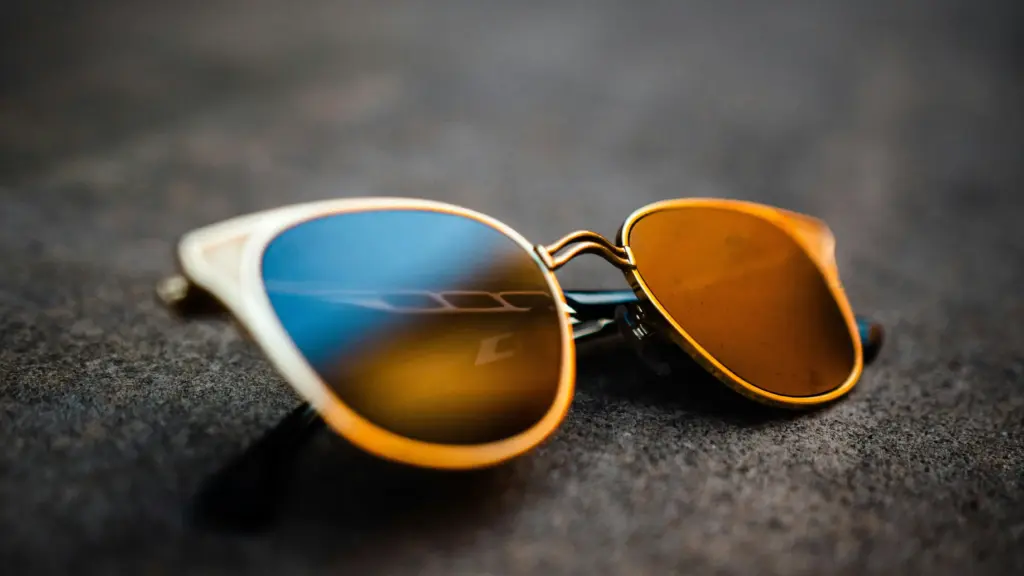
Anodized titanium colors are fundamentally metallic and translucent-over-metal in character — they read as a colored sheen over the base metal, not as a solid, opaque color the way acetate can. You can get a genuinely striking blue or purple titanium frame, but you can’t get a matte, fully opaque pastel the way you can in acetate sheet, because the color mechanism itself depends on light interacting with a metallic surface. Solid, deeply saturated, opaque colors — the kind of rich tortoiseshell or solid block color acetate handles easily — aren’t achievable through anodizing, because that’s simply not how the underlying physics works.
This isn’t a quality limitation to work around with a better supplier — it’s a structural property of the anodizing process itself, the same way acetate’s translucency limits are structural to how acetate sheet is made. A brand set on a specific matte, opaque, non-metallic color for a titanium-positioned product usually needs to either accept the metallic character anodizing produces, or reconsider whether titanium is the right material for that specific colorway, possibly pairing titanium hardware with acetate color elsewhere on the frame instead.
Logo and Branding Methods for Titanium Frames
Titanium supports several branding techniques, each with different cost, durability, and brand-positioning implications.
Laser Engraving
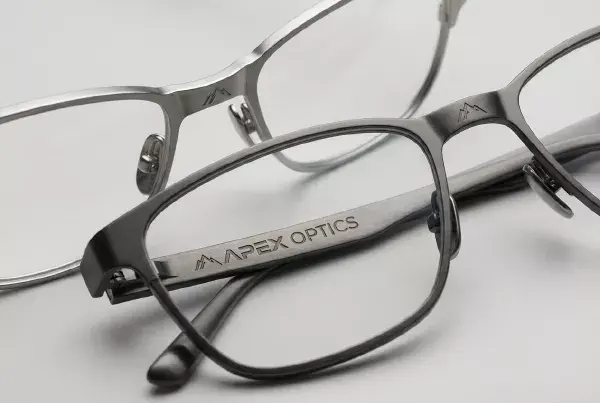
Laser engraving is the default choice for titanium branding, and for good reason. It creates clean, permanent marks that sit flush with the frame surface rather than adding texture or thickness, producing the understated look most premium titanium positioning calls for. Because it requires only a digital file rather than physical tooling, laser engraving has minimal impact on MOQ — many manufacturers can engrave orders as small as 50–100 pieces without the setup cost a molded or inlaid logo would require. The tradeoff is color: engraving doesn’t add pigment, so the branding reads through contrast and texture against the metal surface rather than through color.
Pad Printing
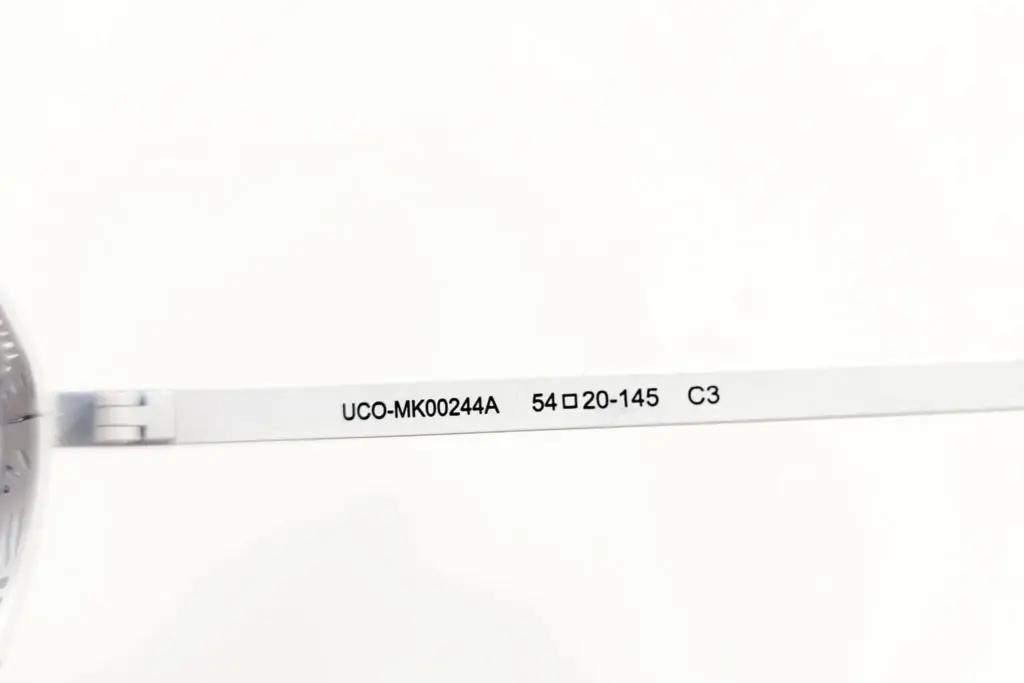
Pad printing can apply colored logos directly onto titanium, which engraving can’t do. It works for some private label and wholesale projects, but the result reads differently than engraving — a printed mark sits on the surface rather than into it, and if the logo is too large or too bright, it can work against a premium titanium positioning rather than reinforcing it. Pad printing is generally a better fit for wholesale-channel titanium products where stronger visible branding serves the retail relationship, rather than for designer-positioned pieces aiming for a quieter look.
Metal Plate or Inlay Branding
A separate metal plate or inlay creates a more dimensional, tactile branding element than engraving or printing — a small raised or inset detail rather than a flush mark. This reads as more substantial and can work well for a flagship piece, but it requires careful engineering: a plate that’s too thick or poorly positioned will disturb the weight balance of the frame, undermining the lightweight feel that’s often the core reason a customer chose titanium in the first place. This technique generally carries the highest cost and the most design risk of the three.
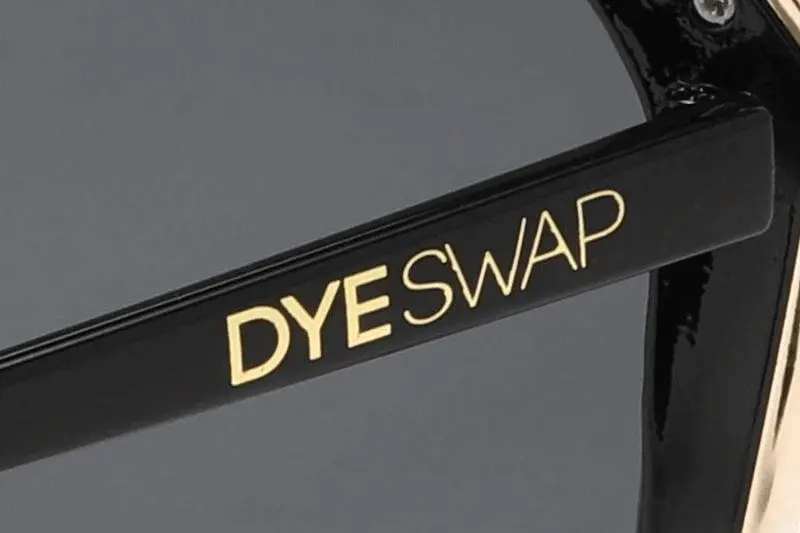
A few specific applications show up across the industry: some brands build an embossed mark into the frame’s design language itself rather than treating it as an applied detail; others inlay dimensional textures — patterned or sculpted surface details — into flat titanium temples to create visual depth that a purely industrial flat-metal look doesn’t offer. A related approach embeds a metal plate beneath a layer of transparent acetate or TR material, creating a layered effect where the branding appears to sit beneath the surface — a concrete example of the titanium-and-other-material combination discussed later in this guide.
| Method | Color Capability | MOQ Impact | Best Fit |
|---|---|---|---|
| Laser engraving | No color, contrast/texture only | Minimal — works at low volume | Premium and designer-positioned titanium |
| Pad printing | Full color | Moderate | Wholesale-channel, visible branding needs |
| Metal plate/inlay | Depends on plate material/finish | Highest | Flagship pieces, careful weight engineering required |
Matching Branding Intensity to Product Position
The logo method matters less on its own than whether it matches what the rest of the product is signaling. A quiet, well-made titanium frame with an oversized or high-contrast logo creates a mismatch a customer notices even if they can’t articulate why — the branding is telling a different story than the material and construction are.
A useful way to think about this: premium titanium positioning is usually best served by a small inside-temple engraving, paired with packaging and a material card that does more of the brand storytelling than the logo on the frame itself. Wholesale or accessible-tier titanium products can carry more visible branding — a clearer outside-temple mark — without the same risk, because the customer’s expectation for that channel is different to begin with. Neither approach is more correct in the abstract; the mismatch happens when the branding intensity and the product’s actual positioning point in different directions.
This is also a useful checkpoint during sampling, not just initial design: a logo that looked right on a digital mockup can read as too prominent or too faint once it’s actually engraved or printed on the physical frame, under real light, at the actual scale of the temple. Reviewing a physical sample before locking the production spec catches this mismatch before it becomes a bulk-order problem.
What This Means for Your Brief
A complete titanium customization brief should specify more than “logo on the temple.” A few things worth nailing down before sampling begins:
- Branding method — laser engraving, pad printing, or metal inlay, chosen based on the color and positioning needs above
- Anodized color, if applicable — referenced against an actual sample or supplier color reference, with the understanding that anodized color reads metallic rather than opaque
- Logo placement and orientation — inside or outside temple, lens corner, nose pad, and how these elements work together rather than competing
- Scale relative to the frame — confirmed on a physical sample, not just a digital mockup
- Packaging and presentation — for premium titanium positioning, the case and material card often carry more brand storytelling weight than the logo on the frame itself
If you’re also developing branding across an acetate line within the same collection, expect the brief structure to differ meaningfully between the two materials — acetate branding briefs lean on color reference codes and sheet samples, while titanium briefs lean on anodizing tolerances and engraving depth.
The Practical Takeaway
Titanium sunglasses customization isn’t about choosing the boldest option a process allows — it’s about matching the branding method, color, and placement to what the rest of the product is already communicating. Laser engraving remains the most reliable default for premium positioning precisely because it stays out of the way of the material. Anodized color is a genuine titanium-specific capability, but one with real boundaries worth understanding before a brand commits to a colorway the process can’t actually deliver.
Frequently Asked Questions
What is the best logo method for titanium sunglasses?
Laser engraving is the most common choice for premium-positioned titanium frames, since it produces a clean, permanent, flush mark without adding bulk or requiring high minimums. Pad printing or metal inlay branding can fit specific positioning needs, but each comes with tradeoffs in cost, weight, and how the branding reads against a premium material.
Can titanium frames be made in any color?
No. Anodized titanium color is achieved by controlling the oxide layer on the metal’s surface, which produces blues, purples, golds, and iridescent effects with a metallic, translucent character. It cannot replicate the solid, opaque, matte colors achievable in acetate, since that’s a structural limit of how the anodizing process works rather than a supplier capability gap.
What’s the difference between Type 2 and Type 3 anodizing?
Type 2 anodizing prioritizes durability and corrosion resistance with a limited color range, while Type 3 (color anodizing) is the process most titanium eyewear color development uses, producing a genuine range of visible colors through precise voltage control during anodizing.
Does logo engraving affect titanium sunglasses MOQ?
Minimally. Laser engraving requires only a digital file rather than physical tooling, so most manufacturers can engrave orders as small as 50–100 pieces without a significant cost or MOQ increase. Methods requiring molds or custom plates, like metal inlay branding, carry higher minimums.
Should a logo be visible on the outside or inside of a titanium temple?
It depends on brand positioning. Premium and designer titanium products generally use a small inside-temple engraving to keep the branding quiet, while wholesale-channel products may use a more visible outside-temple mark to support stronger brand recognition at retail. Neither placement is universally correct — it should match how the rest of the product is positioned.
Can titanium and acetate be combined for branding and color purposes on the same frame?
Yes, and it’s a common approach when a brand wants color flexibility that pure titanium anodizing can’t deliver. Pairing titanium hardware or temple cores with acetate color elements lets a brand access acetate’s broader, more opaque color range while keeping titanium’s weight and durability benefits where they matter most.
Let's get started!
Get in touch with a custom eyewear specialist now for a free consultation and instant price quote.
WHATSAPP ME GO!
📱 Scan with your phone to start chatting