Why Titanium Sunglasses Are Worth the Premium Price
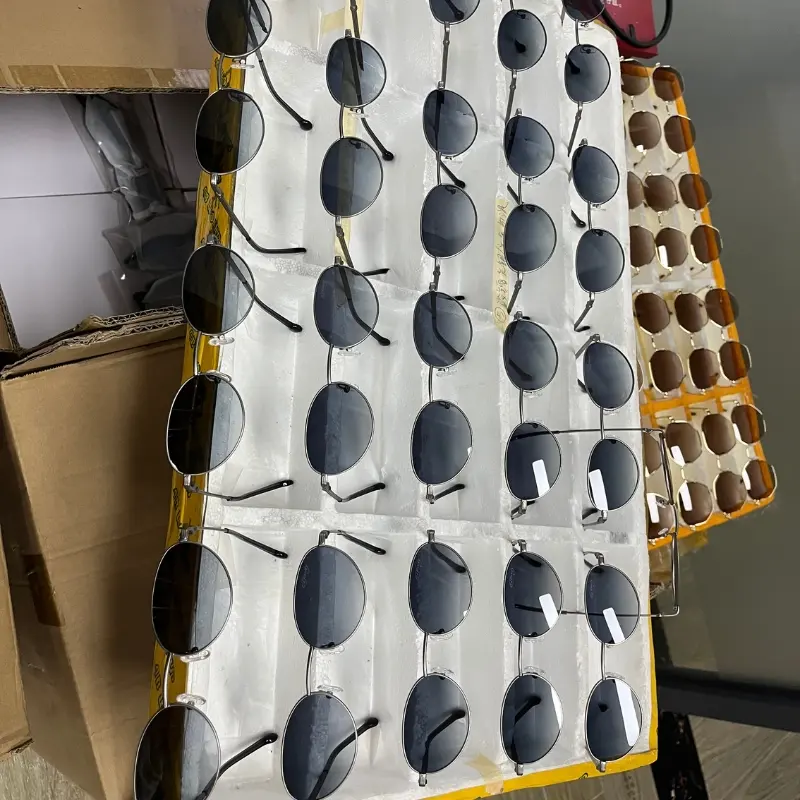
Most articles answering “is titanium worth it” are written for the person buying one pair of glasses. That’s not the question a brand needs answered. If you’re sourcing a titanium collection, the real question is different: how do you justify a price point that’s meaningfully higher than acetate or stainless steel, and how do you communicate that justification to a customer who’s never held a titanium frame before and has no way to feel the weight difference from a product photo.
This guide is about that side of the question — not whether titanium is worth its cost in the abstract, but how to build a credible case for the premium in your product positioning, and where that case stops being credible.
The Premium Has to Be Earned, Not Assumed
A titanium price tag only holds up if the product behind it actually delivers what the premium implies. This sounds obvious, but it’s where a lot of positioning goes wrong — brands attach “titanium” to a price point because the material carries cultural weight, without making sure the construction, finish, and overall execution match that weight.
Customers researching a premium purchase — and titanium eyewear is a premium purchase for most buyers — are reasonably skeptical of price tags that seem to rest on a single word. The brands that successfully justify titanium pricing are the ones that can point to specific, verifiable reasons the product costs what it costs, not just the material name on a spec sheet.
This is the foundational difference between a defensible premium and what often gets called, somewhat unfairly but not without reason, a “titanium markup” — a price increase justified by the material’s reputation rather than by what the material actually does for the wearer.
What Customers Are Actually Paying For
When the premium is genuine, it traces back to a small number of concrete, demonstrable benefits — not vague claims about luxury or status.
Weight reduction that’s noticeable, not theoretical. Titanium’s roughly 40% weight advantage over stainless steel isn’t a marketing number — it’s a physical property that translates into less pressure on the nose bridge and behind the ears over hours of wear. This is the single most defensible part of the titanium value proposition, because it’s something a customer can verify themselves the moment they try the product on.
A genuine reduction in allergy risk. For the share of customers with confirmed or suspected metal sensitivities, titanium’s nickel-free composition isn’t a nice-to-have — it solves a real problem that no amount of styling or branding can solve in a lower-cost material. This is a narrower benefit than weight (it doesn’t apply to every customer), but where it applies, it’s close to absolute.
Durability that shows up over years, not weeks. Titanium’s corrosion resistance and structural stability mean a well-made titanium frame is more likely to still look and perform like new after several years of regular wear, particularly in humid or high-sweat conditions, compared to lower-grade metal alternatives.
Construction quality that’s harder to fake. Because titanium is genuinely difficult to work with — it requires specialized cutting, shaping, and laser welding rather than the standard soldering used on stainless steel — a well-executed titanium frame is reasonably good evidence that the factory behind it has real capability, not just a willingness to put “titanium” on a spec sheet. This is the part of the premium that’s hardest to communicate directly to a customer, but it’s part of why titanium pricing is defensible at the manufacturing level even before marketing gets involved.
| What’s Being Sold | How Defensible | How to Verify |
|---|---|---|
| Weight reduction | High — physically verifiable | Customer feels it on try-on |
| Hypoallergenic property | High, but customer-specific | Relevant mainly to sensitive-skin buyers |
| Long-term durability | Medium — takes years to confirm | Reputation, reviews, warranty terms |
| Construction quality | Medium — hard to assess directly | Finish consistency, hinge action, weight balance |
| Brand prestige alone | Low | Not tied to the product itself |

The Total Cost of Ownership Argument — Used Honestly

One of the more common arguments for titanium’s price is that it costs less over time than repeatedly replacing cheaper frames. This argument has real merit, but it only works when it’s made specifically rather than as a blanket claim.
The honest version of this argument depends on two things actually being true: the customer would otherwise be replacing lower-quality frames on a real cycle (not a hypothetical one), and the titanium frame is genuinely built to outlast that cycle by a meaningful margin. For a customer who replaces sunglasses every season regardless of material — driven by fashion preference rather than product failure — the total cost of ownership argument doesn’t really apply, and using it anyway tends to undermine trust rather than build it.
Where this argument is strongest is with customers who’ve specifically experienced frame failure before — a hinge that loosened, a finish that wore through, a frame that bent out of shape — and are buying titanium specifically to avoid repeating that experience. For that customer, the long-term cost comparison is concrete and genuinely persuasive, because it’s answering a problem they’ve actually had.
Where the Premium Stops Being Credible
A defensible premium has limits, and it’s worth being direct about where they sit — both because it makes for more honest brand positioning, and because customers researching titanium eyewear increasingly know the difference.
Titanium-coated or titanium-accented frames priced like solid titanium. Some products use a small amount of titanium — a coating, a hinge component, an accent piece — while pricing at or near full titanium-frame levels. This is the most common source of customer skepticism about titanium pricing generally, and it’s worth being explicit in your own product copy about what’s actually titanium versus what isn’t, since vague language here erodes trust in titanium claims across the category, including the legitimate ones.
Pure titanium marketed without acknowledging the tradeoffs. Pure titanium and titanium alloys (commonly beta-titanium) perform differently — pure titanium is more corrosion-resistant but harder to shape into fine details, while alloys offer more design flexibility with a small compromise on pure titanium’s properties. Marketing copy that implies one is simply “better” without this context oversimplifies a real material distinction.
Brand markup with no construction difference to justify it. If two titanium frames are functionally identical in construction, finish, and hardware, a significant price gap between them is explained by brand and marketing spend, not by product difference — which isn’t dishonest, but should be understood and positioned as that rather than implied to be a material-driven difference.
How to Communicate the Premium Without Overselling It
The brands that build durable trust around titanium pricing tend to do a few things consistently in how they talk about the product.
Lead with the specific, not the superlative. “40% lighter than stainless steel” is more persuasive and more durable than “incredibly lightweight,” because it’s a claim a skeptical customer can mentally verify, rather than a claim they have to take on faith.
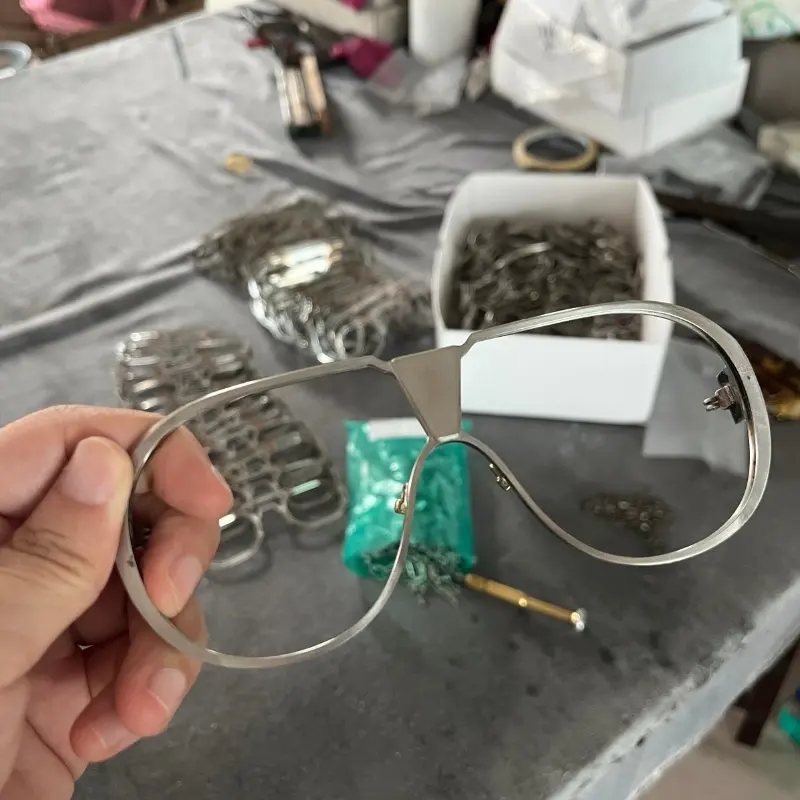
Name the actual construction process. Mentioning that the frame uses CNC machining and laser-welded joints — rather than just stating “made from titanium” — signals that the brand understands what makes titanium difficult to work with, which itself builds credibility around the price.
Be specific about which titanium grade or alloy is used, and why. A brand that can say whether a frame uses pure titanium or a specific alloy, and explain the tradeoff briefly, reads as more trustworthy than one that simply says “titanium” without further detail — partly because that specificity is hard to fake convincingly.
Don’t apply the same premium positioning to every SKU. Not every titanium style in a collection needs to carry flagship-level pricing language. A simpler titanium frame aimed at a more accessible price point within your line can be positioned on weight and durability alone, while a more elaborate flagship piece can carry a fuller premium narrative — using identical positioning language across very different price points usually reads as inconsistent rather than aspirational.
The Practical Takeaway
Titanium sunglasses earn their premium price when the construction, materials, and customer benefit genuinely support it — and that case is best made with specifics a skeptical customer can verify, not superlatives they have to take on faith. The same premium becomes harder to defend, and easier for customers to see through, when it rests primarily on the word “titanium” rather than on what the product actually does. Brands that are precise about what’s driving the price — weight, allergy safety, durability, construction quality — build more durable pricing power than brands relying on the material’s reputation alone.
Frequently Asked Questions
Is titanium actually worth the higher price for sunglasses?
For products where weight, allergy safety, or long-term durability genuinely matter to the customer, yes — these are real, verifiable benefits. The premium is harder to justify when it’s based mainly on the material’s reputation rather than on construction quality or a customer benefit that applies to the specific buyer.
How much more should titanium sunglasses cost compared to stainless steel?
There’s no fixed multiplier — the gap should reflect genuine differences in raw material cost, processing complexity, and construction quality between the two products. A price gap with no corresponding difference in construction or finish is harder to justify to an informed customer.
What’s the difference between pure titanium and titanium alloy in terms of value?
Pure titanium offers slightly better corrosion resistance but is harder to shape into fine, detailed designs. Titanium alloys (commonly beta-titanium) trade a small amount of that resistance for more design flexibility. Neither is universally “better” — the right choice depends on the design and positioning of the specific product.
Are titanium-coated frames worth the same price as solid titanium?
No, and pricing them similarly is one of the more common sources of customer distrust in titanium marketing. A coating or titanium accent delivers a different (and lesser) value proposition than a solid titanium build, and the price should reflect that difference clearly.
How can a brand prove titanium sunglasses are worth the price without sounding like every other brand?
Specificity is the differentiator. Naming the actual weight reduction percentage, the construction process (CNC machining, laser welding), and the specific titanium grade used is more convincing than general claims about luxury or quality, because a skeptical customer can mentally check specific claims in a way they can’t check adjectives.
Should every titanium product in a collection use the same premium positioning?
Not necessarily. A flagship titanium style can carry a fuller premium narrative, while a simpler titanium SKU at a more accessible price point within the same collection can be positioned more plainly on weight and durability. Using identical premium language across very different price points within one collection often undermines the positioning rather than reinforcing it.
Let's get started!
Get in touch with a custom eyewear specialist now for a free consultation and instant price quote.
WHATSAPP ME GO!
📱 Scan with your phone to start chatting