Titanium vs Stainless Steel Sunglasses: Which Material Wins?
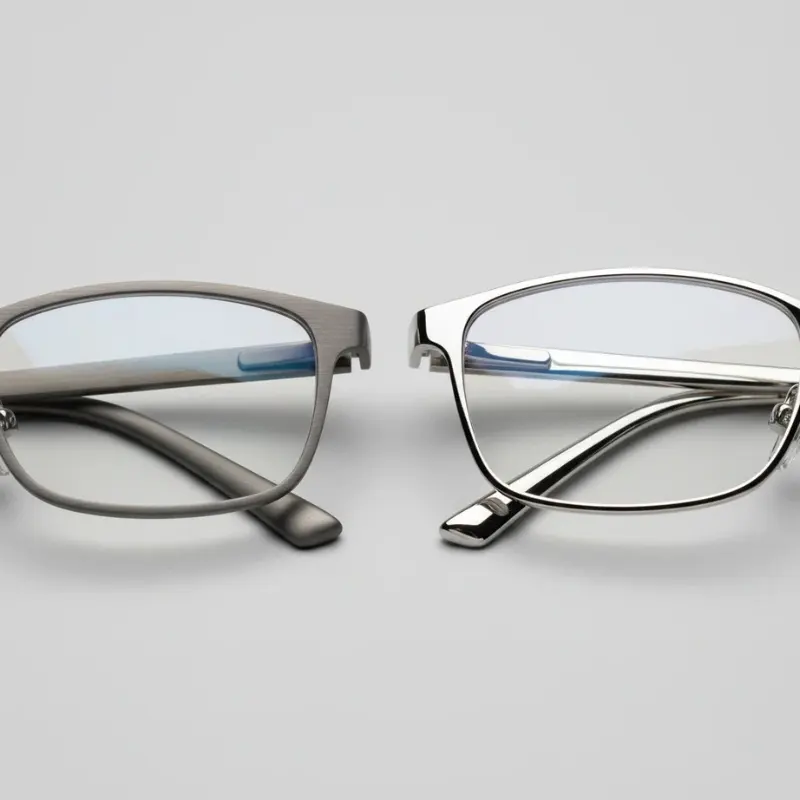
“Titanium is just better” is the answer you’ll get from most marketing copy in this category. It’s not wrong, exactly — but it’s not the whole picture either. Titanium and stainless steel solve different problems, cost differently to produce, and make sense for different product positioning. Treating one as a universal upgrade over the other leads brands to overspend on titanium when stainless steel would have served the product just as well, or underspend on stainless steel when the product actually needed titanium’s specific advantages.
This guide breaks down the real differences — weight, durability, allergy risk, repairability, and cost — so you can match the material to your product rather than defaulting to whichever one sounds more premium.
The Core Difference: Density and What It Means in Practice
Titanium has a density of roughly 4.5 g/cm³. Stainless steel runs around 7.9 g/cm³ — nearly double. In practical terms, a titanium frame is approximately 40% lighter than the same frame built in stainless steel, which is the single biggest functional difference between the two materials and the source of most of titanium’s reputation in eyewear.
That weight difference isn’t just a spec sheet number. Less weight on the nose bridge and behind the ears translates directly into reduced pressure points over hours of wear — the kind of difference a customer notices on day three of wearing a new pair, not necessarily on day one. For frames carrying heavier lenses (polarized glass, high-index prescription lenses), the weight gap becomes more noticeable, since the frame is supporting more total mass.
Stainless steel isn’t a lesser material because of this — it’s a different one. The added weight reads as substance and presence to a meaningful share of customers, and stainless steel frames can support bolder, more structural designs where that heft is part of the intended look rather than a drawback.
| Property | Titanium | Stainless Steel |
|---|---|---|
| Density | ~4.5 g/cm³ | ~7.9 g/cm³ |
| Relative weight | ~40% lighter | Baseline |
| Typical nickel content | None (pure) to minimal (alloy) | ~10–14% (bound in alloy) |
| Corrosion resistance | Excellent — chemically inert | Good — can corrode over time |
| Repair method | Laser welding (specialized, inert gas) | Standard soldering |
| Relative production cost | Higher | Lower |
Allergy Risk: A Real Difference, Often Overstated
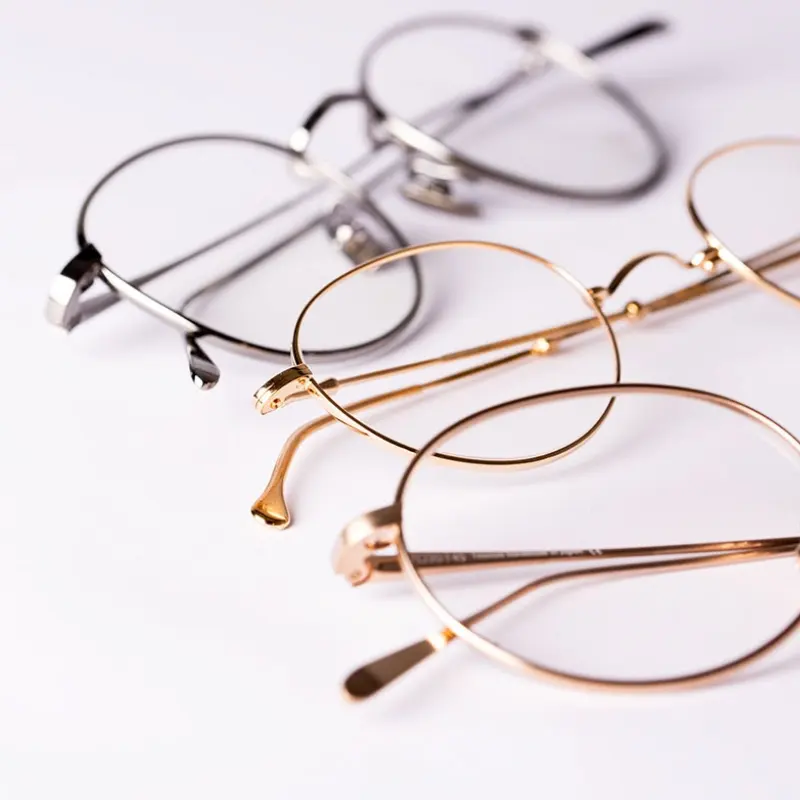
Titanium is naturally hypoallergenic — it doesn’t contain nickel, the metal most commonly responsible for contact allergies in eyewear. This is a genuine, well-documented advantage and the reason titanium is often the default recommendation for customers with known metal sensitivities.
Stainless steel is more nuanced than “contains nickel, therefore risky.” Most eyewear-grade stainless steel (commonly 316L surgical-grade) contains roughly 10–14% nickel, but that nickel is tightly bound within the alloy structure. For the large majority of wearers, this bound nickel doesn’t trigger a reaction — actual nickel allergy from properly finished stainless steel frames is uncommon, not the norm. Where stainless steel does pose more risk is with poor-quality plating or surface treatment that allows nickel to leach through, which is more a quality control issue than an inherent material flaw.
The practical takeaway for a brand: if your customer base skews toward people who’ve had reactions to costume jewelry or lower-grade metal accessories, titanium removes that risk entirely. For a general consumer base without flagged sensitivity, well-finished stainless steel is unlikely to cause problems for most wearers — the allergy argument for titanium is real, but it’s not the deciding factor for every product line the way marketing sometimes implies.
Durability and Corrosion: Where the Environment Matters
Both materials are durable in the way that matters for everyday eyewear — neither will fail under normal use. The meaningful difference shows up over years, and specifically in certain environments.
Titanium’s corrosion resistance comes from a stable oxide layer that forms naturally on the surface and essentially makes the metal chemically inert. This is part of why titanium performs especially well in humid climates, coastal environments, or for customers who sweat heavily — conditions that gradually wear down lesser metals don’t meaningfully affect titanium over time.
Stainless steel resists rust well but isn’t fully corrosion-proof the way titanium is. Over years of exposure to sweat, humidity, or saltwater environments, stainless steel frames are more likely to show gradual wear in plating or finish than titanium is. For a product targeting buyers in coastal markets, fitness-driven customers, or markets with consistently high humidity, this is a legitimate factor in the material decision — not just a marketing talking point.
Where stainless steel has a practical advantage is repairability. A bent or loose stainless steel frame can generally be repaired through standard soldering, a widely available skill at most optical shops. Titanium requires laser welding in a controlled, inert gas environment to avoid weakening the metal at the weld point — a more specialized, less universally available repair, which can mean higher service costs or longer turnaround if a customer needs post-sale repair work. This doesn’t mean titanium can’t be repaired well — it means the repair relies on specialized skill rather than wide availability. A qualified repair shop with laser welding capability can restore a titanium frame to an excellent result; it’s simply a smaller pool of shops equipped to do it.
Why Titanium Costs More to Produce
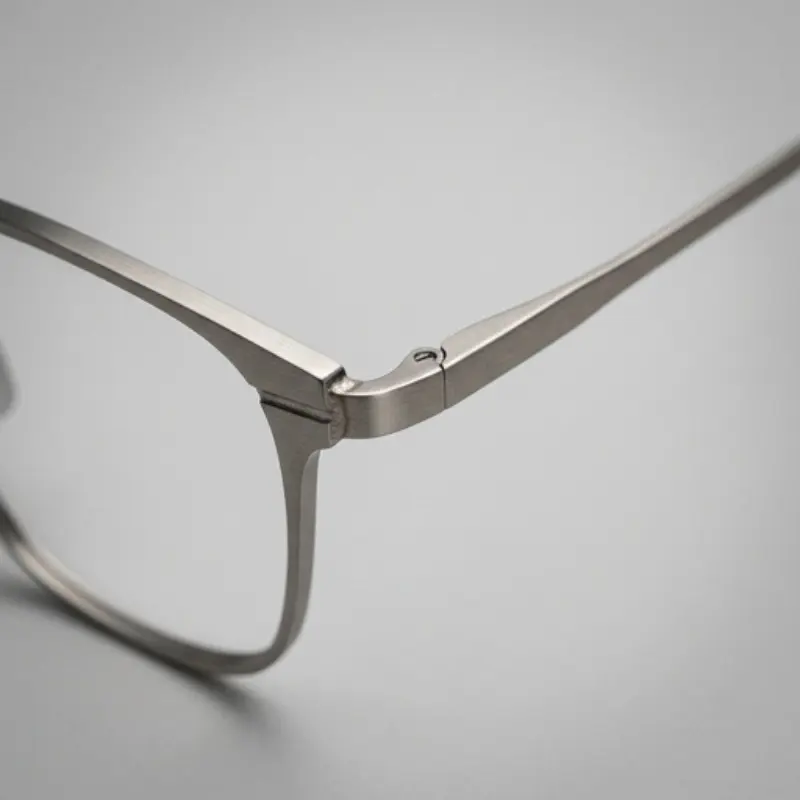
The price gap between titanium and stainless steel sunglasses isn’t primarily a brand markup decision — it reflects real differences in raw material and processing cost on the manufacturing side.
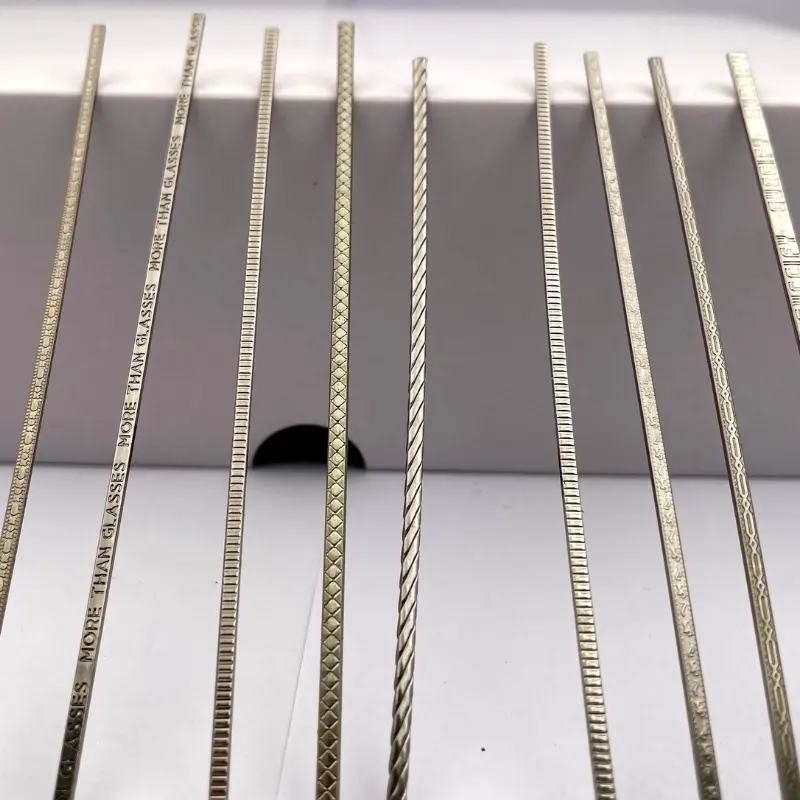
Titanium is more expensive as a raw material than stainless steel, but the bigger cost driver is processing. Titanium requires specialized, high-heat equipment to cut, shape, and weld, and the precision required to work with titanium alloys is meaningfully higher than working with steel — the metal is less forgiving of process variation, and mistakes during welding or shaping are harder and more costly to correct. This is reflected directly in production lead time and the skill level required on the factory floor, both of which factor into unit cost.
For a brand evaluating whether titanium’s premium price is justified for a specific product, the honest answer depends on positioning. A flagship style where the brand is asking customers to pay for genuinely premium materials and construction is where titanium’s cost premium makes sense. An accessible-tier or fashion-forward style where price point matters more than maximum weight savings is often better served by stainless steel — the cost difference is real, and it should map to where the product sits in your line, not be applied uniformly across a collection regardless of positioning.
A Simple Framework for Choosing Between Them
A few questions that tend to clarify which material fits a specific product:
Is all-day comfort and minimal weight the primary selling point? Titanium’s weight advantage is most valuable for products marketed around comfort, daily wear, or use with heavier lens options — this is where the 40% weight reduction translates into a noticeable customer benefit.
Does your customer base include people with known metal sensitivities, or are you marketing toward that concern specifically? Titanium removes the allergy question entirely, which matters more for some product positioning than others.
Will the product see heavy use in humid, coastal, or high-sweat conditions? Titanium’s corrosion resistance compounds over years in these environments in a way that’s harder to notice in the first season but becomes more apparent over the product’s full lifespan.
Does the design call for a bolder, more substantial frame presence? Stainless steel’s added weight and structure support designs where heft is part of the intended aesthetic, not a tradeoff to minimize.
What price point is the product targeting? Titanium’s cost premium needs to be absorbed somewhere — either in retail price or in margin. For accessible price points, stainless steel often delivers comparable durability and a more sustainable cost structure.
The Practical Takeaway
Neither material “wins” outright — titanium and stainless steel are suited to different products, customer priorities, and price points. Titanium earns its premium when weight, hypoallergenic properties, or long-term corrosion resistance in demanding environments are genuinely part of what the product needs to deliver. Stainless steel remains a sound, durable choice for the large majority of metal frame applications, particularly where price point and design boldness matter more than shaving off the last few grams of weight.
If titanium fits your product positioning, our titanium sunglasses page covers what’s involved in sourcing a titanium collection — finishing options, customization, MOQ, and lead times. If you’re working through material selection for a metal frame collection — including how titanium and stainless steel each affect tooling, lead time, and cost structure — start a conversation with our team via WhatsApp or email. We’re happy to walk through what fits your product positioning and target price point.
Frequently Asked Questions
Is titanium really 40% lighter than stainless steel? Yes, this figure comes from the underlying density difference between the two materials — titanium at roughly 4.5 g/cm³ versus stainless steel at roughly 7.9 g/cm³. The actual weight difference in a finished frame depends on design and wall thickness, but 40% is a reasonable general benchmark for comparable frame constructions.
Is stainless steel actually hypoallergenic? Not in the same absolute sense as titanium. Most eyewear-grade stainless steel contains nickel, typically bound tightly within the alloy, which means most wearers don’t react to it — but it isn’t nickel-free the way titanium is. For customers with confirmed metal allergies, titanium is the safer recommendation.
Can titanium frames be repaired the same way as stainless steel? Not the same way, but they can absolutely be repaired well. Stainless steel can generally be fixed with standard soldering, available at most optical shops. Titanium requires laser welding in an inert gas environment — a more specialized skill found at fewer repair shops, which may mean higher service costs or longer turnaround, but a qualified shop can restore a titanium frame to an excellent finish.
Why is titanium more expensive than stainless steel for sunglasses? The price difference reflects both raw material cost and processing complexity. Titanium requires specialized high-heat equipment and more precise handling during cutting, shaping, and welding, which increases production time and the skill level required — both of which factor directly into unit cost.
Does titanium corrode at all? Titanium forms a stable oxide layer that makes it highly resistant to corrosion, including in humid or saltwater environments — it’s often described as chemically inert for practical purposes. It isn’t literally indestructible, but corrosion is not a realistic failure mode for titanium eyewear under normal use.
Should a new brand start with titanium or stainless steel? It depends on price point and positioning rather than one being universally better for new brands. Stainless steel offers a lower-cost entry point with strong durability, while titanium suits brands positioning around premium comfort or targeting customers with specific material concerns like metal sensitivity. Many brands use stainless steel for accessible-tier styles and titanium for a flagship line within the same collection.
Let's get started!
Get in touch with a custom eyewear specialist now for a free consultation and instant price quote.
WHATSAPP ME GO!
📱 Scan with your phone to start chatting