Reading Glasses Production Timeline: From Sample to Bulk Shipment
“How long will it take” sounds like a simple question until the answer depends on five different variables at once — material, whether a new mold is needed, colorway count, season, and shipping method. Reading glasses do have one structural advantage over most other custom eyewear categories, though, and it’s worth understanding before planning a launch date around a generic industry timeline.
The One Real Advantage: Lenses Don’t Add to the Timeline
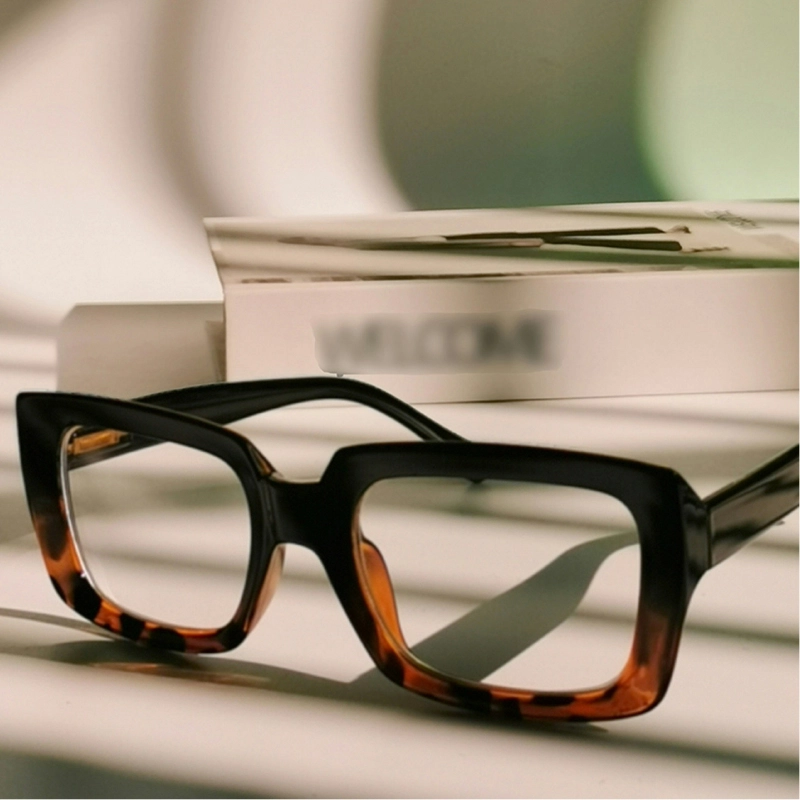
Reading glasses lenses are standardized, off-the-shelf optical stock, purchased by diopter power rather than ground to an individual prescription — a distinction covered in more detail in our diopter strength guide. That matters for timeline planning because it removes one of the slowest, least predictable steps in prescription eyewear production. Frame development and lens sourcing can move on largely separate, parallel tracks rather than one waiting on the other, which is part of why reading glasses can move faster overall than comparable optical frames using the same materials.
Stage-by-Stage: What Actually Happens Between Sample and Shipment
Sampling
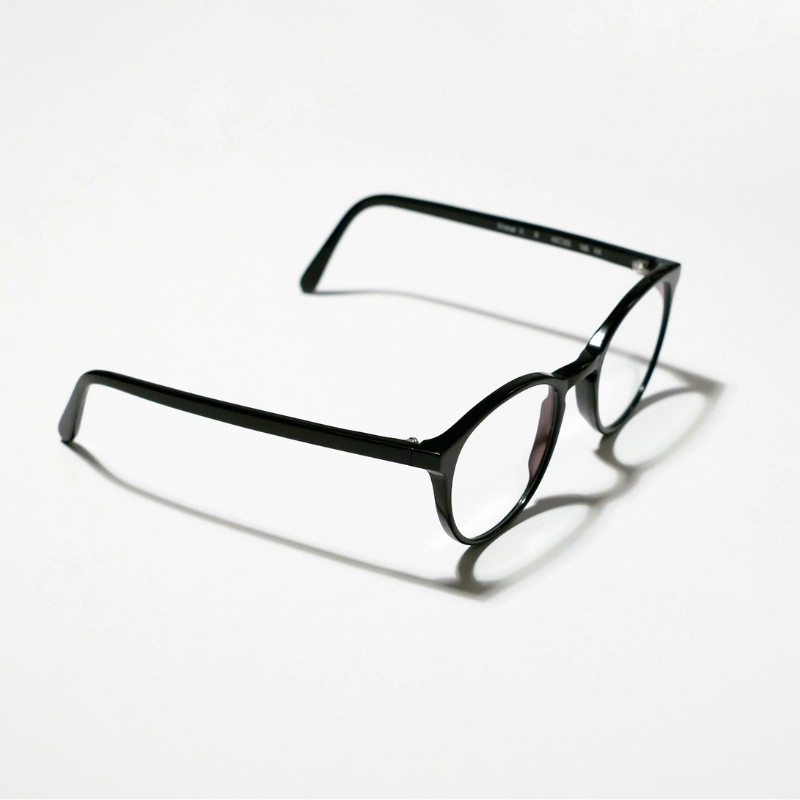
If a style is built on an existing mold or frame shape, samples typically take 1–3 weeks, mainly covering material sourcing, color matching, and finishing rather than tooling. A completely new frame shape adds mold development to this stage, which is where most of the timeline difference between materials shows up.
Mold Development (New Shapes Only)
This stage only applies when a brand wants a shape that doesn’t already exist in a factory’s catalog. Steel mold machining for injection materials like TR90 typically runs 25–35 days, depending on complexity. This is a one-time cost against the mold, not a per-order delay — once built, it’s reused for every future production run of that shape.
Bulk Production
This is where material choice creates the biggest timeline spread, and it lines up with the trade-offs covered in our frame materials guide:
| Material | Typical Bulk Production Time |
|---|---|
| TR90 / injection | Faster — fewer hand-finishing stages, higher line automation |
| Acetate (domestic sheet) | 45–60 working days |
| Acetate (imported sheet, e.g. Mazzucchelli) | 60–120 working days |
TR90’s shorter cycle is one more reason it tends to be the default for volume-driven reading glasses lines — as covered in our MOQ and packaging guide, it’s already the more efficient choice on cost and MOQ, and that efficiency extends to production speed as well. Acetate’s longer cycle reflects its multi-stage cutting, tumbling, and polishing process — worth factoring in if a fashion-forward acetate capsule is running on a tight launch timeline.
Quality Control and Packaging
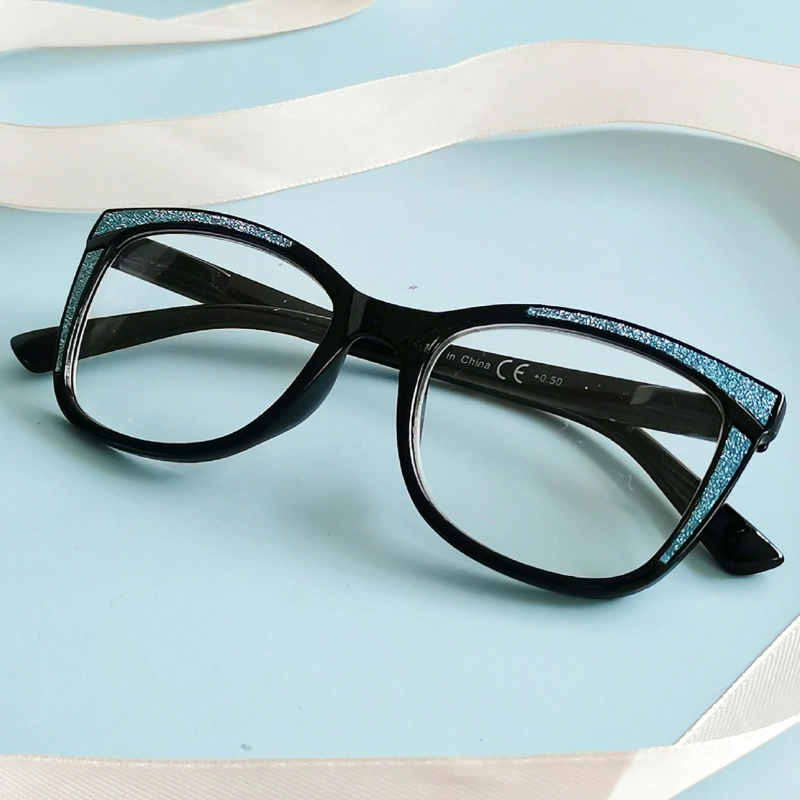
Inspection typically runs in parallel with the tail end of production rather than adding a fully separate block of time, but it’s worth budgeting a few extra days for a first order specifically, since first-run QC often surfaces small adjustments that later reorders won’t need.
Shipping
Sea freight and air freight aren’t just a cost decision — they’re a meaningful timeline variable on top of production. Sea freight is standard for full container or palletized orders and takes several weeks depending on destination; air freight compresses that to days but at a materially higher cost, and is usually reserved for smaller shipments or genuine launch-date emergencies.
What Pushes a Timeline Longer Than Expected
- Adding colorways late in the process. Each additional colorway can extend the finishing and QC stages, particularly for acetate.
- Chinese national holidays. Golden Week and Spring Festival can add one to several weeks depending on when a production window overlaps with them — this is one of the most common causes of missed launch dates for brands unfamiliar with the manufacturing calendar.
- First-order QC adjustments. A first production run with a new factory relationship often surfaces small fit or finish issues that get resolved before shipment, adding buffer time that later reorders typically don’t need.
- Underestimating shipping time separately from production time. A quoted “60-day lead time” from a factory sometimes refers to production only — confirming whether shipping is included avoids a launch date built on an incomplete number.
A Practical First-Order Approach
For a first collaboration with a new factory, running a smaller pilot order — often in the range of a few hundred pieces — before committing to a full-volume run is a reasonable way to validate the actual timeline, packaging, and QC process under real conditions rather than planning entirely off a quoted estimate.
Frequently Asked Questions
How long does it take to get reading glasses samples?
If the style uses an existing mold or frame shape, samples typically take 1–3 weeks. A completely new frame shape adds mold development time on top of that.
Why is acetate production slower than TR90 for reading glasses?
Acetate goes through a multi-stage process of cutting, tumbling, and hand polishing, while TR90 is injection-molded with more automated finishing — which is why TR90 typically moves through bulk production faster.
Does the diopter range affect production time?
Not significantly. Reading glasses lenses are sourced as standard stock by power, so adding diopter strengths mainly affects labeling and packaging rather than adding meaningful production time.
Does a quoted lead time usually include shipping?
Not always. Some quotes cover production only, so it’s worth confirming whether shipping time is included before building a launch date around a factory’s stated lead time.
Getting from a first sample to a shipment that actually lands on schedule depends on which variables are locked early and which are left open — worth mapping out on the production side before a launch date gets set.
Let's get started!
Get in touch with a custom eyewear specialist now for a free consultation and instant price quote.
WHATSAPP ME GO!
📱 Scan with your phone to start chatting