Strap Systems and Lens Protection in Pet Eyewear: What Makes a Good Design
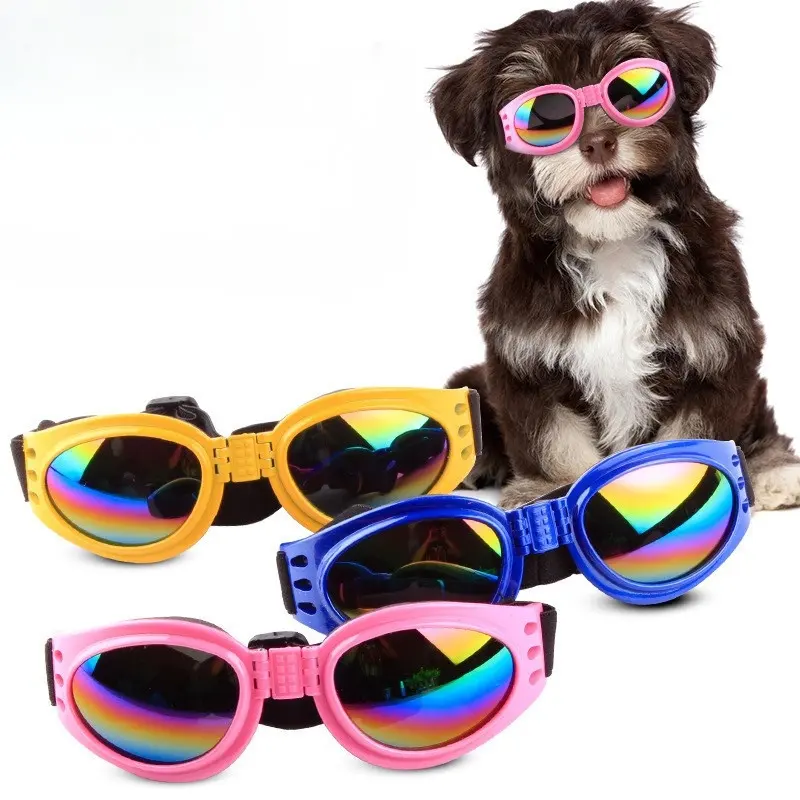
A dog goggle can pass every impact and UV test in the lab and still fail in the field, because the strap let go the first time the dog shook its head.
Strap security and lens protection are separate engineering problems, and both need solving before a frame is finished. Strap systems range from basic elastic to adjustable webbing with hardware; lens protection depends on padding, ventilation, and how the lens cup is shaped around the eye.
Here’s the deal. Most reviews judge finished products on how they feel to use. This is about the design decisions behind them — the ones that determine whether a strap holds and a lens stays fog-free before a single unit gets built.
Strap Systems: Elastic, Webbing, and Static — What’s the Real Tradeoff?
Every strap system on the market makes the same basic tradeoff: security against ease of use, and no design wins on both at once.
A single elastic band is the simplest and cheapest strap system, but it’s also the easiest for a dog to paw off. Two-point elastic straps (head and chin) hold better than one. Adjustable webbing with hardware offers the most precise, secure fit but takes longer to dial in on first use.
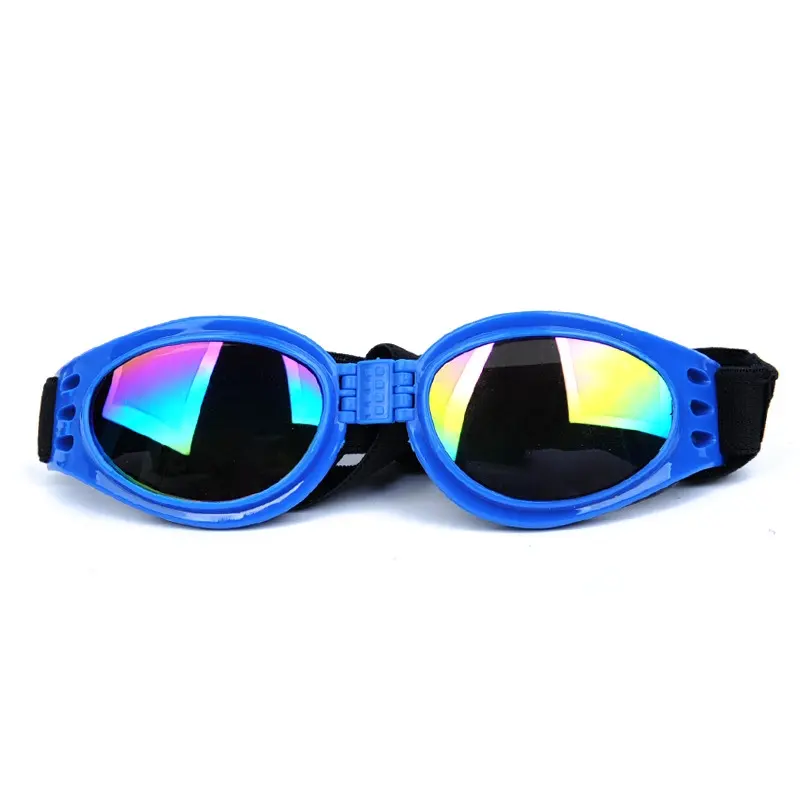
A single elastic loop running behind the ears is where most budget pet sunglasses start. It’s fast to put on and comfortable for a dog that isn’t used to wearing anything on its face, which makes it a reasonable choice for a fashion-first product that won’t see heavy activity. The tradeoff shows up quickly in the field: a dog that dislikes the sensation can usually get a paw under a single elastic band and pull the whole frame off.
Two-point elastic — a head strap and a separate chin or muzzle strap — closes most of that gap without adding much cost or complexity. Splitting the load between two anchor points makes it harder for a dog to dislodge the frame with one motion, and it’s the strap system most mid-range goggles settle on.
Adjustable webbing, usually nylon strap paired with a plastic slide buckle, is the strap system built for dogs that actually work or move hard: hiking, biking, working dogs, or any use case where the goggle needs to stay put through repeated motion rather than a calm walk. The hardware allows fine, incremental adjustment on both the head and muzzle strap independently, which static elastic can’t match. The cost is a longer first fitting — a new owner typically needs a few tries to get the tension right — which is a real tradeoff worth weighing against how the product will actually be used.
Why Tri-Glide Hardware Changed What “Adjustable” Means
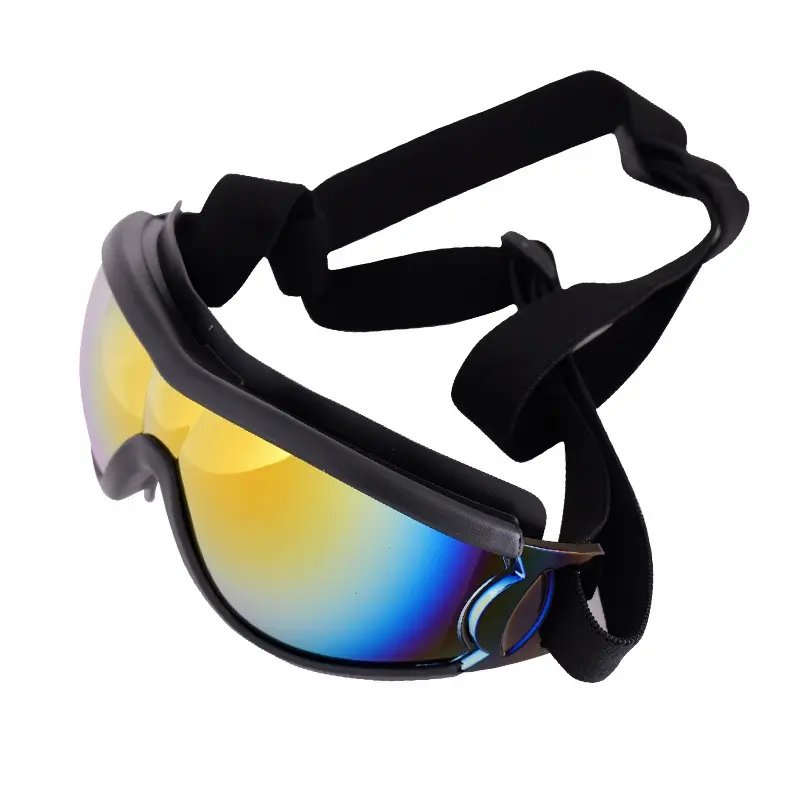
“Adjustable strap” shows up on nearly every pet eyewear listing, but the word covers two very different mechanisms with very different results.
A tri-glide buckle is a small three-bar slider, usually molded from POM plastic, that lets nylon webbing slide through it to set an exact length and then locks it in place with friction. It’s the same hardware used in swim goggles and backpack straps, and it gives finer, more stable adjustment than stretching an elastic band.
The mechanical difference matters more than it sounds. An elastic band adjusts by how much it stretches, which changes with temperature, material fatigue, and how hard the dog pulls against it over time — the fit drifts. A tri-glide buckle sets a fixed length that doesn’t change until someone deliberately slides it again, so the fit stays where it was set, wash after wash, walk after walk.
This is also the hardware behind the strap systems reviewers describe as “hardest for a dog to remove.” Since the webbing length is locked rather than elastic, a dog pawing at the frame is working against a fixed strap rather than a stretchy one, which meaningfully raises the effort required to knock the goggle loose.
For a factory or brand, tri-glide hardware costs more per unit than a plain elastic loop, and it adds an assembly step. That cost is easy to justify on a product built for active or working dogs, and much harder to justify on a fashion-first item that’s rarely worn for more than a few minutes at a time.
Lens Cup Design: Padding, Venting, and Peripheral Vision
The lens gets most of the attention in a spec sheet, but the structure around it is what actually determines comfort and how well the goggle performs over a full day of wear.
Good lens cup design balances three things: foam or sponge padding around the rim for comfort and a better seal, ventilation gaps or channels to reduce fogging, and enough clearance from the eye to avoid blocking peripheral vision. Getting any one of these wrong undermines the other two.
Padding around the lens cup rim does two jobs at once. It cushions the frame against the face, which matters most for dogs with prominent or protruding eyes, and it helps the frame conform to individual head shape rather than sitting rigid against skin and fur. Too little padding and the frame presses uncomfortably; too much and it can push the lens cup out of position relative to the eye.
Ventilation is where lens protection and lens comfort pull in opposite directions. A fully sealed lens cup blocks the most wind and debris but fogs quickly, especially in humid climates or during active movement when a dog is breathing harder. Small vent channels or gaps solve the fogging problem but reduce the seal against dust and wind. Most well-designed goggles land somewhere in between — enough venting to manage fog, positioned so it doesn’t create a direct path for debris to reach the eye.
Peripheral vision clearance ties back to the lens cup depth question covered in pet eyewear construction, but it’s worth separating from pure depth as its own design variable. A lens cup can be deep enough to clear a protruding eye and still sit too close to the sides of the face, narrowing what the dog can see out of the corners of its eyes. Reviewers consistently flag this as a comfort issue that shows up as a dog pawing at the frame — not because the strap is loose, but because the fit itself feels restrictive.
Detachable and Magnetic Lens Systems: Worth the Extra Cost?
A newer design trend lets the lens pop off the frame entirely, either through a mechanical clip or a magnetic mount, and it’s worth understanding what that actually buys a product.
Detachable lens systems let a buyer swap tint, clean the lens more thoroughly, or replace a scratched lens without replacing the whole frame. Magnetic mounts are faster to use than clip systems but can loosen with repeated impact, making them better suited to fashion or light-activity products than high-impact goggles.
The practical case for a detachable system is mostly about lifespan and flexibility rather than initial performance. A frame with a fixed lens has to be replaced entirely once the lens scratches or the tint no longer suits the season or activity; a detachable system lets the frame outlive several lens swaps, which can be a genuine selling point for a premium product line.
Magnetic mounts trade security for convenience. They’re faster to snap on and off than a mechanical clip, which suits a product aimed at frequent, casual use — putting goggles on for a short walk rather than a full day outdoors. The tradeoff is that a hard knock or a determined paw can separate a magnetic lens from the frame more easily than a locked mechanical clip, which is why this design shows up more often on fashion and light-activity goggles than on products built for high-impact use.
For a brand deciding whether to specify a detachable system, the honest question is whether the target buyer will actually use the feature. A working-dog product benefits from a secure, mechanically clipped detachable lens for field repairs and cleaning. A fashion-first product rarely needs the added cost and assembly complexity a detachable system brings, since most buyers in that segment are optimizing for looks over technical features.
How to Match Strap and Lens Design to Your Target Buyer
None of these design choices exist in isolation — they should all trace back to who the product is actually built for.
A fashion-first product suits a single or two-point elastic strap, basic lens padding, and a fixed lens. An activity or working-dog product justifies tri-glide webbing, vented lens cup padding, and a mechanically detachable lens. Specifying strap and lens design without first defining the target buyer usually results in a product that overshoots or undershoots what that buyer actually needs.
Overbuilding is a real cost risk, not just a nice-to-have. Adding tri-glide hardware and a detachable lens system to a product aimed at casual, fashion-first buyers raises unit cost without moving the sale, since that buyer isn’t evaluating the product on strap security or field repairability in the first place.
Underbuilding carries the opposite risk. A product marketed toward active or working dogs that ships with a single elastic band and a sealed, unvented lens cup will generate return and complaint volume fast, regardless of how good the lens material and coating are, because the strap and lens cup are the parts that fail first in real use.
This is the same design-to-buyer logic worth locking down at the specification stage before requesting a quote — strap hardware and lens cup features are exactly the kind of detail that’s cheap to specify correctly upfront and expensive to redesign after a first production run ships back with complaints.
Conclusion
Strap and lens design should follow the buyer, not the other way around — get that match right and the rest of the frame has an easier job to do.
Frequently Asked Questions
What’s the most secure strap system for active or working dogs?
Adjustable nylon webbing with a tri-glide buckle offers the most precise, stable fit, since the length locks in place rather than relying on elastic stretch. This is the strap system most goggles built for hiking, biking, or working dogs use.
Why do some dog goggles use tri-glide buckles instead of plain elastic?
A tri-glide buckle sets a fixed strap length that doesn’t drift the way elastic does over time and repeated use. It also makes the goggle harder for a dog to remove, since the strap resists rather than stretches when pawed at.
What does lens padding actually do?
Padding around the lens cup rim cushions the frame against the face and helps it conform to individual head shape. Too little padding causes pressure points; too much can push the lens cup out of proper position relative to the eye.
Are magnetic lens systems worth the added cost?
It depends on the product’s use case. Magnetic mounts are fast and convenient for casual, fashion-first products, but they can separate under hard impact, making them less suited to high-impact goggles than a mechanically clipped detachable lens.
How do I decide which strap and lens design to specify for my product line?
Start with the target buyer. Fashion-first products suit simpler elastic straps and fixed lenses; activity or working-dog products justify the added cost of tri-glide hardware, vented padding, and detachable lens systems.
Let's get started!
Get in touch with a custom eyewear specialist now for a free consultation and instant price quote.
WHATSAPP ME GO!
📱 Scan with your phone to start chatting