Metal Sunglasses for Different Face Shapes: A Brand's Guide to Fit
Most face shape guides answer a consumer’s question: which frame shape suits my face. That is a useful question for a shopper standing in front of a mirror, but it is not the question a brand needs answered when planning a metal sunglasses collection for international markets. The brand-level question is structural: given that your customer base spans multiple regions with measurably different average head widths and nose bridge profiles, how many size variants do you actually need to produce, and where does adjustable hardware reduce that number?
This article approaches sizing from the product planning side — the decisions made before a single unit ships — rather than the styling side. It is written for brands sourcing metal sunglasses across multiple markets, where getting frame width and nose bridge fit wrong at the SKU planning stage produces returns and negative reviews that a styling guide cannot prevent.
Why Fit Planning Matters More for Metal Frames
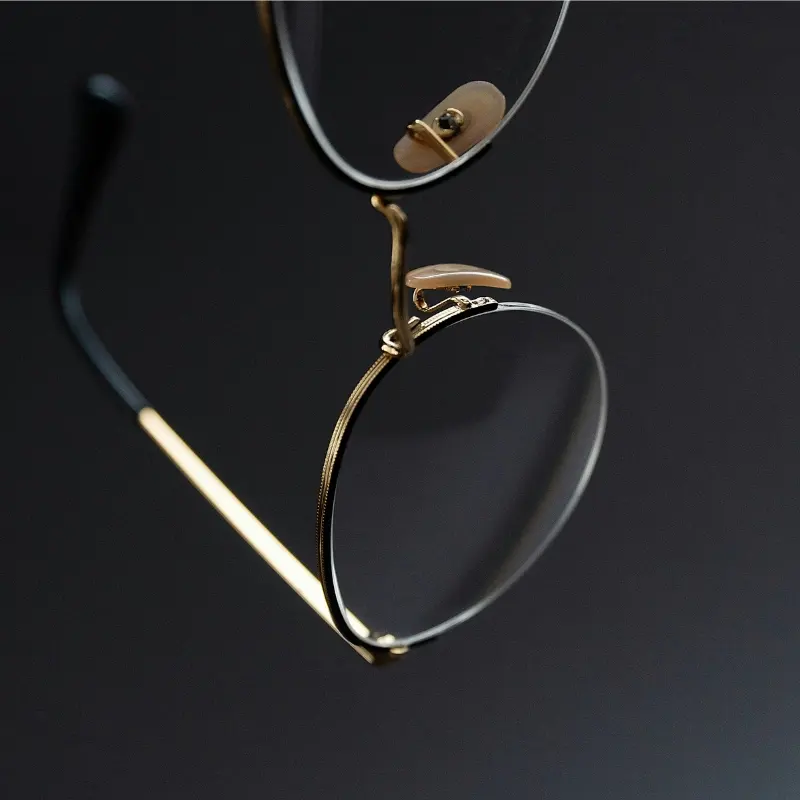
Metal sunglasses have a structural advantage over acetate frames that is directly relevant to multi-market sizing: the nose pad assembly. On a metal frame, the nose pads are mounted on adjustable arms that can be bent closer together, farther apart, higher, or lower to change how the frame sits on a given nose bridge. Acetate frames typically have a fixed nose bridge molded into the front piece, with far less room for adjustment.
This matters because nose bridge height and width — measured as the vertical distance between the eyes and the horizontal width of the bridge area — vary meaningfully across populations. A frame designed and fitted around one regional average will not sit the same way on a customer with a different bridge profile. Metal construction gives a brand a built-in tool to manage some of that variation without producing additional SKUs. Acetate construction generally does not.
This does not mean metal frames solve fit for every market with a single size. It means metal frames can solve a narrower range of variation through adjustment, which changes how a brand should think about its sizing matrix — fewer width variants may be needed than would be required in acetate, but width variants are still needed.

Frame Measurements That Actually Matter for Planning
Before discussing regional variation, it is worth being precise about which measurements drive fit, since these are the parameters that go into a technical drawing and a SKU plan.
Lens width: The horizontal measurement of one lens, typically expressed in millimeters. This is the first number in standard frame sizing notation (e.g., 52-18-140).
Bridge width: The horizontal distance between the two lenses, measured at the narrowest point. This is the second number in standard notation.
Temple length: The total length of the temple from the hinge to the tip, the third number in standard notation.
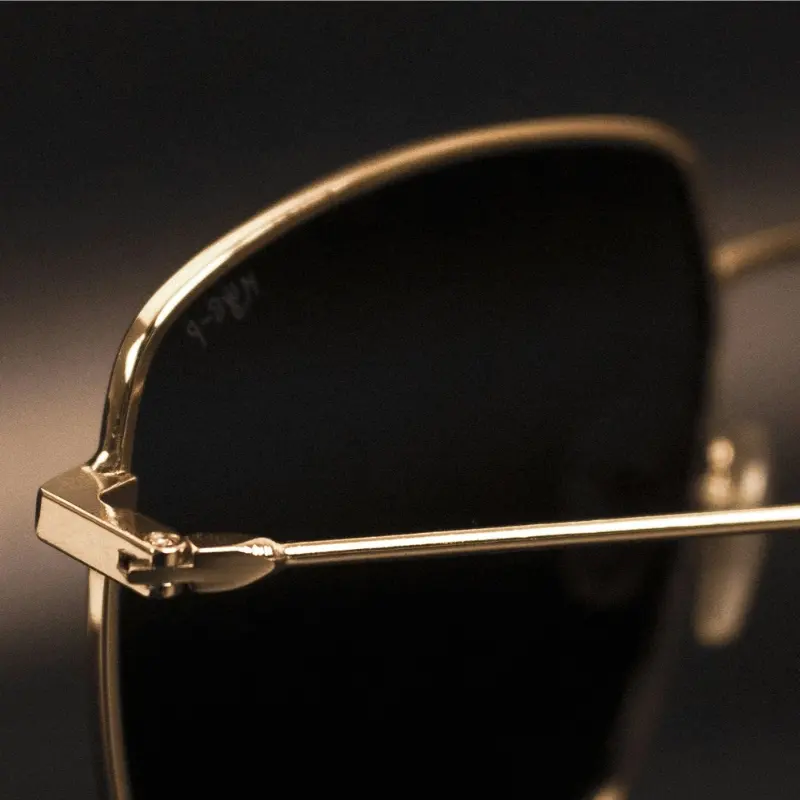
Total frame width: Lens width × 2, plus bridge width, plus a small allowance for the rim thickness on each side. This determines how the frame sits relative to the wearer’s face width.
| Sizing Category | Lens Width Range | Bridge Width Range | Temple Length Range |
|---|---|---|---|
| Narrow / Small | 49–52mm | 14–17mm | 135–140mm |
| Standard / Medium | 53–57mm | 17–20mm | 140–145mm |
| Wide / Large | 58–62mm | 20–24mm | 145–150mm |
These ranges represent the general spread used across the eyewear industry. A given style does not need to span the entire range — it needs to be positioned within it based on the target market’s typical proportions.
How Regional Proportions Differ
Head width, nose bridge height, and facial proportions are not uniform across the markets a brand typically sources for. This is not a claim about any individual customer — there is wide variation within any population — but average proportions differ enough between regions that a frame fitted for one market’s average will not fit another market’s average equally well.
East Asian markets: Generally associated with a lower, flatter nose bridge profile and a narrower average head width relative to Western populations. Frames designed primarily for European or North American proportions often sit too low on the nose and can slide for customers in this market, unless the nose pad position is adjusted or the frame is specifically fitted with this profile in mind.
European and North American markets: Generally associated with a higher nose bridge and broader average head width. A frame fitted tightly for an East Asian customer base may feel narrow and create temple pressure for customers in these markets.
Middle Eastern markets: Often closer to European proportions in head width, but brands selling into this region frequently request larger lens coverage as a styling preference rather than purely a fit requirement — oversized and wraparound silhouettes are popular independent of face width considerations.
These are population-level tendencies, not rules that apply to every individual customer. The practical implication for a brand is that a single global-average size will fit a meaningful share of customers reasonably well in any one market, but it will fit a smaller share well across multiple markets simultaneously — which is the core sizing challenge for brands selling internationally.
Where Nose Pad Adjustment Solves the Problem — and Where It Doesn’t
The adjustable nose pad is the tool metal frame construction provides for managing fit variation without additional tooling. Understanding its actual range of effect — and its limits — is what separates an informed sizing strategy from an assumption that adjustability solves everything.
What Adjustment Can Fix
Nose pad arms can be bent to change:
- Height: How high or low the frame sits on the nose, affecting where the lens falls relative to the eyes
- Width (pad spacing): How close together or far apart the pads sit, affecting pressure and stability on a narrower or wider nose bridge
- Angle: The contact angle of the pad against the side of the nose, affecting grip and comfort
These adjustments are typically made by an optician or by the wearer with light hand pressure, and they can meaningfully change how a frame sits within a moderate range of nose bridge variation.
What Adjustment Cannot Fix
If the overall frame width is significantly mismatched to the wearer’s face width, nose pad adjustment does not resolve it. A frame that is too narrow for a customer’s face will create temple pressure regardless of how the nose pads are set — the nose pads affect vertical position and nose-bridge contact, not the horizontal span between the temples.
Similarly, if the lens size itself is too small or too large for the intended coverage or proportion, no amount of nose pad adjustment changes the lens dimensions.
The practical rule: nose pad adjustability extends the usable range of a single frame width across moderate nose bridge variation. It does not substitute for offering different frame widths across markets where face width itself varies significantly.
Building a Sizing Matrix for Multi-Market Collections
For a brand developing a metal sunglasses collection intended for multiple regions, the practical question is how many width variants to produce per style, and how to allocate them.
Single-Width Strategy
Producing one width per style, fitted to a global-average proportion, minimizes tooling and inventory complexity. This works reasonably well for styles where the design itself has generous lens coverage and a forgiving bridge design — oversized and wraparound styles tend to perform better across multiple markets with a single width than narrow, fitted styles do.
The tradeoff is that a single-width strategy will underperform at the edges — customers with notably narrower or wider faces than the design average will experience a poorer fit, regardless of nose pad adjustment.
Two-Width Strategy
Producing a standard width and a wide-fit version of the same style addresses the most common mismatch: a frame fitted for one regional average that needs a broader option for markets with wider average proportions. This is the approach used by several established sunglasses brands, where the same style is offered in standard and wide-fit configurations without otherwise changing the design.
This requires either two separate molds (for OEM frames) or selecting two compatible width variants from existing tooling (for ODM frames), and effectively doubles the SKU count for that style.
Market-Specific Allocation
For brands with clearly defined regional distribution channels, a more targeted approach allocates specific width variants to specific markets rather than offering all variants everywhere. A narrower-fit version ships primarily to East Asian distribution; a standard or wide-fit version ships to European and North American channels. This reduces the inventory complexity within each market while still addressing the underlying proportion variation.
| Strategy | Tooling Complexity | Inventory Complexity | Best Suited For |
|---|---|---|---|
| Single width | Lowest | Lowest | Oversized/wraparound styles; early-stage brands |
| Two-width (standard + wide) | Moderate | Moderate | Established brands selling across 2+ major regions |
| Market-specific allocation | Moderate | Higher (regional SKU tracking) | Brands with distinct regional distribution channels |
What to Specify When Developing a Multi-Market Style
When briefing a manufacturer on a metal sunglasses style intended for multiple regions, the following specifications should be addressed explicitly rather than left to a single default fit.
Target market proportions: State which region or regions the primary fit target is, so the manufacturer’s sample reflects an intentional choice rather than house-standard proportions.
Nose pad range: Confirm the nose pad arm material allows sufficient adjustment range — soft, easily adjustable arms extend the usable fit range further than stiff arms that hold a single set position firmly. For more on nose pad material specification, see Metal Sunglasses Care and Maintenance: What Brands Need to Tell Customers, which covers nose pad material and adjustment behavior in more detail.
Width variant requirement: If a two-width or market-specific strategy is intended, state this at the brief stage — adding a second width variant after sample approval on a single width typically requires a new mold or a new tooling adjustment, which is more costly than planning for it from the outset. For the cost implications of additional tooling, see Metal Sunglasses MOQ and Pricing: What Determines Your Quote.
Wire gauge relative to width: Wider frames place more leverage stress on the temple-to-hinge junction. Confirm wire gauge is appropriate for the width being produced, not just carried over from a narrower reference design.

At Sailook, when clients brief a style intended for multiple regional markets, we confirm the target fit profile and discuss whether a single width, a two-width approach, or market-specific variants best fits the brand’s distribution plan before sampling begins. This avoids the more costly scenario of discovering a fit mismatch after the first production run has shipped to a market it was not actually designed for.
FAQ
Do metal sunglasses fit different face shapes better than acetate frames? Metal frames offer more fit flexibility through adjustable nose pad arms, which can be bent to change height, spacing, and angle to accommodate moderate variation in nose bridge profile. Acetate frames typically have a fixed nose bridge with little to no adjustment range. However, neither material can compensate for a significant mismatch in overall frame width relative to face width — adjustment helps within a range, not across it.
What frame width works best for East Asian markets? Brands targeting East Asian markets generally fit toward the narrower end of standard sizing ranges and design the nose bridge to sit higher and more securely on a lower bridge profile, since frames designed primarily for European or North American proportions often sit too low and can slide. This is a general market tendency, not a rule for every individual customer, and adjustable nose pads can address some of this variation without a separate width.
How many sizes should a metal sunglasses style come in for a multi-market collection? This depends on the design and distribution strategy. Oversized or wraparound styles with generous lens coverage often perform acceptably across multiple markets with a single width. Narrower, more fitted styles benefit from a two-width approach (standard and wide-fit) when selling across regions with meaningfully different average proportions. Brands with distinct regional distribution channels sometimes allocate different width variants to different markets rather than stocking all variants everywhere.
Can nose pad adjustment fix a frame that is too narrow for a customer’s face? No. Nose pad adjustment changes how the frame sits vertically on the nose bridge and how the pads grip the sides of the nose — it does not change the horizontal distance between the temples. A frame that is genuinely too narrow for a customer’s face width will create temple pressure regardless of nose pad adjustment, because the temples themselves are not adjustable in width.
What is the standard frame sizing notation, and what does it mean? Frame sizing is typically expressed as three numbers separated by dashes — for example, 52-18-140. The first number is lens width in millimeters, the second is bridge width in millimeters, and the third is temple length in millimeters. This notation is usually printed on the inside of the temple and is the standard reference for comparing sizes across styles and brands.
Does adding a second width variant significantly increase production cost? Adding a width variant to an existing OEM design typically requires either a new mold or a tooling modification, which carries a cost similar to developing a new mold from the brief stage — generally more cost-effective if planned before the first sample round than if added after a single-width design has already been approved. For ODM orders, selecting two compatible width variants from existing tooling avoids new mold cost entirely.
Summary
Sizing a metal sunglasses collection for multiple markets is a planning decision, not a styling decision. Frame width, nose bridge fit, and temple length vary in their effectiveness across regions with different average proportions, and the adjustable nose pad — a structural advantage of metal frame construction — extends the usable range of a single width without eliminating the need for width variants where face width itself varies significantly.
Working through target market proportions, nose pad range, and width variant strategy at the brief stage, rather than discovering a fit mismatch after a single production run has shipped, is what separates a sizing plan from a guess.
Sailook’s full range of metal sunglasses construction and sizing options is covered on our metal sunglasses page.
Let's get started!
Get in touch with a custom eyewear specialist now for a free consultation and instant price quote.
WHATSAPP ME GO!
📱 Scan with your phone to start chatting