NDA & NNN Agreements with a Chinese Eyewear Manufacturer: What to Expect
If you’re developing a custom sunglasses or optical frame line and researching how to protect a product design before sharing it with a Chinese manufacturer, you’ve probably already found dozens of guides — mostly written by IP lawyers and sourcing agencies — explaining why an NNN agreement matters more than a standard NDA. That part is well covered, and we’re not going to repeat all of it here.
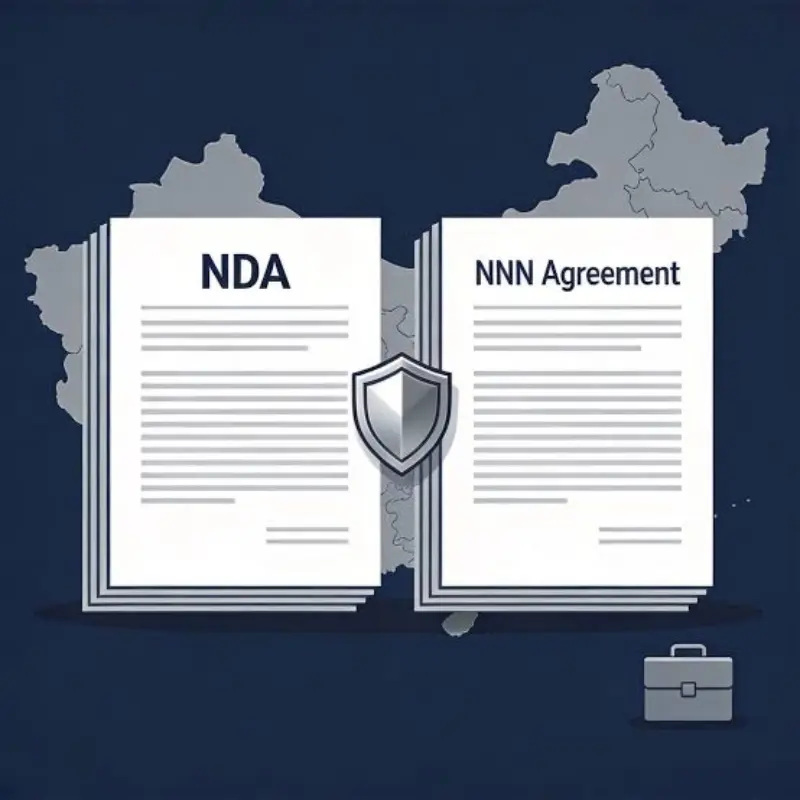
What’s less written about is the other side of the table: what actually happens when a brand sends that agreement to a real factory. This is our answer to that, from the manufacturer’s side — what a normal, uneventful signing process looks like, what should make you pause, and where we’d tell you to stop asking us and go talk to a lawyer instead. In eyewear specifically, this usually comes up around a fairly predictable set of things: a frame mold for a shape you don’t want copied, a custom hinge or spring mechanism, a proprietary acetate color or pattern, or a lens coating formula developed for your line.
One thing upfront: this article is not legal advice, and it isn’t a substitute for having a China-focused IP lawyer review or draft your agreement. What we can speak to is process and experience — what we see, how we respond, and what’s normal in our day-to-day dealings with brands. For the actual clauses, damages provisions, and jurisdiction language, that’s a job for a qualified lawyer, not a factory blog post.
NDA vs. NNN, in One Paragraph
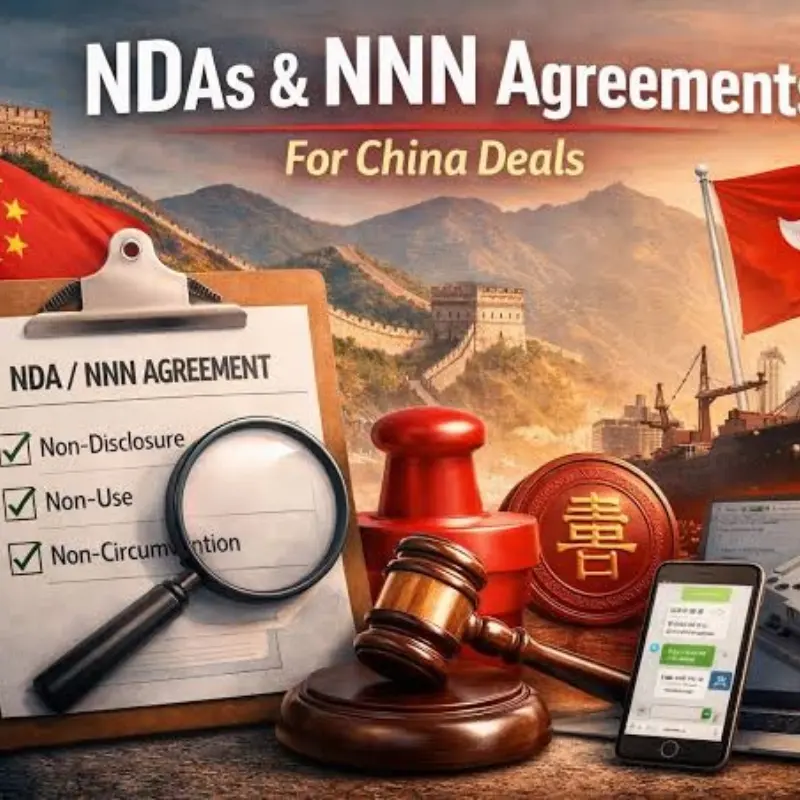
A standard NDA mainly stops a counterparty from telling other people your confidential information. An NNN agreement — Non-Disclosure, Non-Use, and Non-Circumvention — goes further: it also restricts the factory from using your information for its own benefit (say, producing a similar item for someone else) or bypassing you to deal directly with your customers or suppliers. Most sourcing guidance recommends an NNN over a standard NDA specifically for manufacturing relationships in China, because a manufacturer has the tooling and know-how to act on your information in ways that public disclosure alone doesn’t capture. That’s the version most lawyers and sourcing consultants will walk you through in far more depth than we will here — we’re not going to try to out-explain them on the legal mechanics.
What Actually Happens on Our End
When a client sends us an NDA or NNN before sharing detailed designs, CAD files, or tooling specs, the process on our side is fairly unremarkable: we read it, we ask questions if something is unclear or unreasonably broad, and we sign. That’s it. There’s no negotiation theater, no stalling until “the boss is traveling,” no request to remove the non-use or non-circumvention clauses.
That’s not us being unusually generous — it’s what most legitimate factories do, and it’s consistent with what the sourcing and legal guides mentioned above tend to say: a factory with nothing to hide generally doesn’t mind putting that in writing. If a supplier drags out signing, avoids using the company chop, or pushes to water down the substance of the agreement rather than just clarifying scope, that’s worth treating as a signal about the relationship — not something to explain away because “that’s just how things work here.”
What This Usually Covers in Eyewear Production
Not every part of an eyewear order needs this kind of protection — a standard frame shape built on an existing mold, or a common lens tint, generally isn’t what an NNN is meant to cover. The categories that come up most often for us are:
- Frame molds and tooling. Once a mold is cut for a distinctive silhouette, that tooling can technically produce the same frame for anyone. This is usually the single biggest reason a brand asks us to sign before development starts.
- Hinge and hardware mechanisms. A custom spring-hinge design, a proprietary clip-on or magnetic mechanism, or specific hardware branding are all things that are straightforward for a factory to replicate once they’ve built it once.
- Acetate colorways and patterns. A custom-mixed acetate color or a bespoke swirl pattern is often developed specifically for one brand’s line, and it’s reasonable to want that treated as exclusive.
- Lens coatings and tints. Where a coating formula or tint has been tuned for a specific product, that development work is worth naming explicitly in the agreement rather than assuming it’s covered by a general clause.
- Packaging and display design. Less commonly flagged, but custom case, box, or point-of-sale display designs are just as easy to reuse for another client if they aren’t specified.
Naming these categories specifically in the agreement — rather than relying on a generic “all confidential information” clause — tends to make the scope clearer for both sides, though the actual wording is, again, something to work out with your lawyer rather than with us.
The Company Chop Matters More Than the Signature
One detail that trips up a lot of first-time buyers: in China, the official company chop (公章) — the red stamped seal — generally carries more legal weight than an individual’s signature. A document signed only by an employee, without the company chop, can later be disputed by the company as not properly authorized. If you’re sending an NNN or NDA to a factory, it’s worth asking specifically for it to be stamped with the company chop, not just signed by whoever you’ve been emailing with. A factory that’s used to working with international brands won’t find this an odd request.
What We Can Help With, and What We Can’t
To be direct about where the line sits:
We can:
- Sign a reasonable NDA or NNN agreement before you share detailed designs, tooling specs, or proprietary product information.
- Provide our company registration details so you (or your lawyer) can verify who you’re actually signing with.
- Apply the company chop to a finalized agreement, and discuss which categories of information the agreement should cover for your specific project.
We can’t:
- Draft or review the legal language of your agreement — clauses, damages amounts, governing law, and jurisdiction are legal decisions that need a qualified China-focused IP lawyer, not a manufacturer’s input.
- Tell you whether a particular template is enforceable. That depends on drafting details well outside what a factory is positioned to judge.
- Promise outcomes if a dispute ever arises. What a signed agreement is actually worth in practice depends on how it was drafted and where it would be enforced — again, a legal question.
When to Send It
The agreement should be in place before you share anything you’d consider proprietary — not after. In practice, that usually means before sending final CAD files, mold specifications, or detailed technical drawings, and it’s a reasonable thing to raise alongside your first quote request, before sampling begins. For eyewear specifically, the natural checkpoints are: before a frame mold is opened, before a custom hinge or hardware drawing is shared, and before a bespoke acetate color or pattern is matched and sent for sampling. Sending it retroactively, after a design has already been shared over email or WeChat, doesn’t undo that earlier disclosure — it just closes the door going forward.
Frequently Asked Questions
What’s the difference between an NDA and an NNN agreement?
An NDA generally only restricts a party from disclosing your confidential information to others. An NNN agreement adds two further restrictions: the factory can’t use your information for its own benefit (Non-Use), and it can’t bypass you to deal directly with your customers or suppliers (Non-Circumvention). Most sourcing guidance recommends an NNN over a plain NDA for manufacturing relationships specifically because it covers these additional risks.
Will a legitimate Chinese manufacturer sign an NNN agreement?
In our experience, yes — a factory with no intention of misusing your information generally signs without much back-and-forth. Persistent delays, avoiding the company chop, or pushing to remove the non-use or non-circumvention terms are the kind of pattern worth paying attention to.
Do I need a lawyer to draft an NNN agreement?
For it to hold up in practice, yes. The clauses that make an agreement enforceable in China — governing law, jurisdiction, how damages are defined — are legal decisions specific to your product and risk profile. A factory can tell you it’s willing to sign; it can’t tell you whether the document itself is well drafted.
What is a company chop and why does it matter?
The company chop is the official red stamped seal used by Chinese companies to execute documents. It generally carries more legal weight than an individual signature, and a document without it can be disputed later as not properly authorized by the company. When sending an NDA or NNN, it’s worth asking for it to be stamped with the company chop rather than signed by an individual alone.
When should I send an NDA or NNN agreement to a factory?
Before you share anything proprietary — designs, CAD files, tooling specs, or detailed technical drawings. It’s reasonable to raise this alongside your first quote request or before sampling begins, rather than after sensitive information has already changed hands.
What kind of information matters most to protect in eyewear manufacturing?
The categories that come up most often are frame molds and tooling, custom hinge or hardware mechanisms, proprietary acetate colors or patterns, developed lens coatings or tints, and custom packaging or display designs. Naming these specifically in the agreement, rather than relying on a general confidentiality clause, tends to make the scope clearer for both sides.
If you’re preparing to share designs or tooling specs with us for a first sample, we’re happy to review and sign an NDA or NNN alongside the quoting process — it’s a normal part of how we work with new brands, and worth raising early rather than after the fact. For more on what else to expect during a first order, see how to work with a Chinese eyewear factory.
Let's get started!
Get in touch with a custom eyewear specialist now for a free consultation and instant price quote.
WHATSAPP ME GO!
📱 Scan with your phone to start chatting