Switching Manufacturers Without Your Customers Ever Noticing
If your current supplier is the reason you're here, you already know what's at stake — the product your customers already trust can't change on them. This is about a transition that protects what you've already built, not a fresh start.

Signs It Might Be Time to Look Elsewhere
None of these on their own is necessarily a reason to switch. But when several show up together, a structured transition is usually the more sensible move than continuing to hope the next batch will be different.
Quality issues that repeat across batches — not one bad shipment, but a pattern: warped acetate, inconsistent color matching, hinges that loosen faster than they should.
Delivery dates that keep slipping — with no clear, consistent explanation, throwing off your own launch and restock timelines downstream.
Communication that's gone reactive — status updates only come when you chase them, and questions take longer to answer than they used to.
No flexibility for new colors or styles — every request outside the existing setup gets pushback instead of a real answer.
Documentation that's hard to produce — QC records, certifications, or compliance paperwork that should be routine take unusual effort to get.
Can a New Factory Actually Match What You Already Have?
This is the concern that's specific to switching, not starting — a first-time brand worries about getting a good sample; you're worried about your customers noticing a difference in a product they already know.
Color and material matching — how we actually do it
Color is checked against your physical sample with a spectrophotometer, not eyeballed under factory lighting — matched to the closest Pantone or RAL reference so the result is documented, not subjective. For acetate, that includes matching pattern depth and translucency, not just the base tone; for metal, matching plating type and finish (brushed, polished, PVD) against the original.
Logo and branding replication
Whatever method your current product uses — laser engraving, hot stamping, metal inlay — we replicate placement, size, and depth so the branding reads identically on the shelf.
Documented, multi-stage QC — not just a final check
Inspection happens at defined checkpoints — incoming materials, in-line during production, and final pre-shipment — each recorded against your golden sample, not just a spot check before the box gets sealed. This is what prevents the gap between "the sample looked perfect" and "the bulk order didn't match it."
Sizing and fit consistency
Temple length, lens dimensions, nose pad specs — the details your customers have already fitted themselves around stay the same, not "close enough."
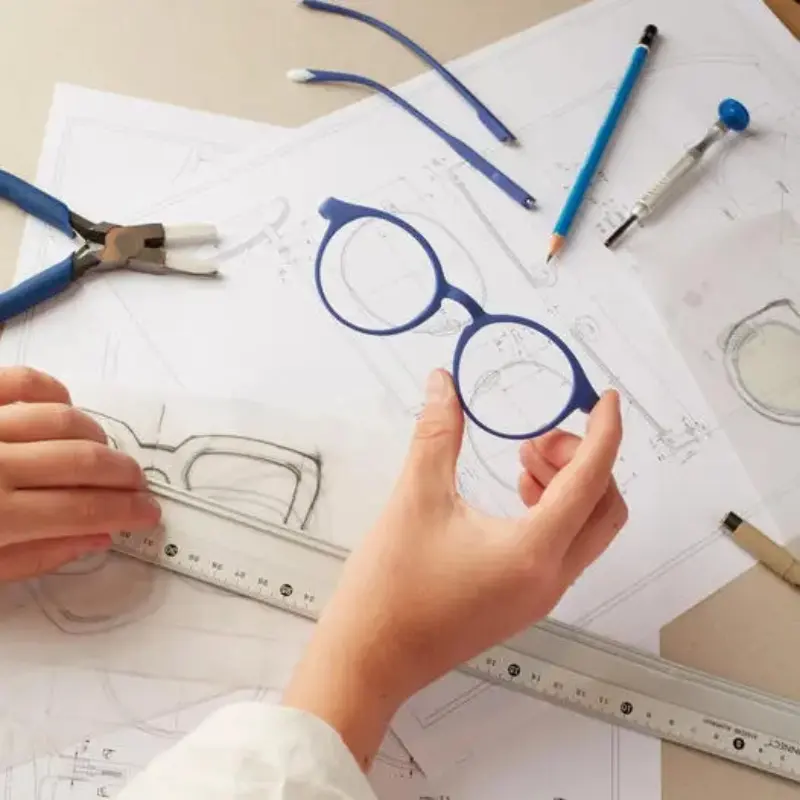
Molds and Tooling: Your Two Paths
This is usually the single biggest cost and timeline variable in a switch — worth understanding both options before you request a quote.
Path A — Ship your existing molds
If you own the tooling from your current supplier and can ship it, we inspect it on arrival for wear, damage, and compatibility with our machines before running a mold test. This is usually the faster, lower-cost path — but it depends on the mold's condition and whether it was built to specs our equipment can run.
Path B — Rebuild from your physical sample
If you don't own the molds, or they're not shippable, we reverse-engineer new tooling from your physical sample or spec sheet — dimensions confirmed by precision measurement before cutting steel, so the new mold matches your existing product rather than a close approximation of it. This follows the same tooling sequence as our standard production process, just anchored to your current product instead of a new design.
What a Structured Transition Actually Looks Like
Not a hard cutover on a single date — a staged handover, so you're never relying on an unproven supplier for your full volume at once.
Sample-match evaluation — your existing style, matched and returned for your side-by-side review. No volume commitment at this stage.
Small trial order — a limited batch, run alongside your existing supplier, to confirm consistency holds at production scale, not just on a single sample.
Parallel production — volume shifts gradually while your current supplier continues fulfilling the remainder, so there's no gap in stock during the changeover.
Full transition — once consistency is proven at scale, volume moves over completely, on your timeline, not a forced deadline.
Not ready to commit to a full switch?
Start with Step 1 — send your current best-selling style and see how closely we match it. No volume commitment required.
A Transition That Doesn't Leave You Out of Stock
A structured handover — running in parallel with your existing supplier rather than as a hard cutover — is usually the safer path. That only works if the new factory actually has room for your volume, not just a promise that it does.
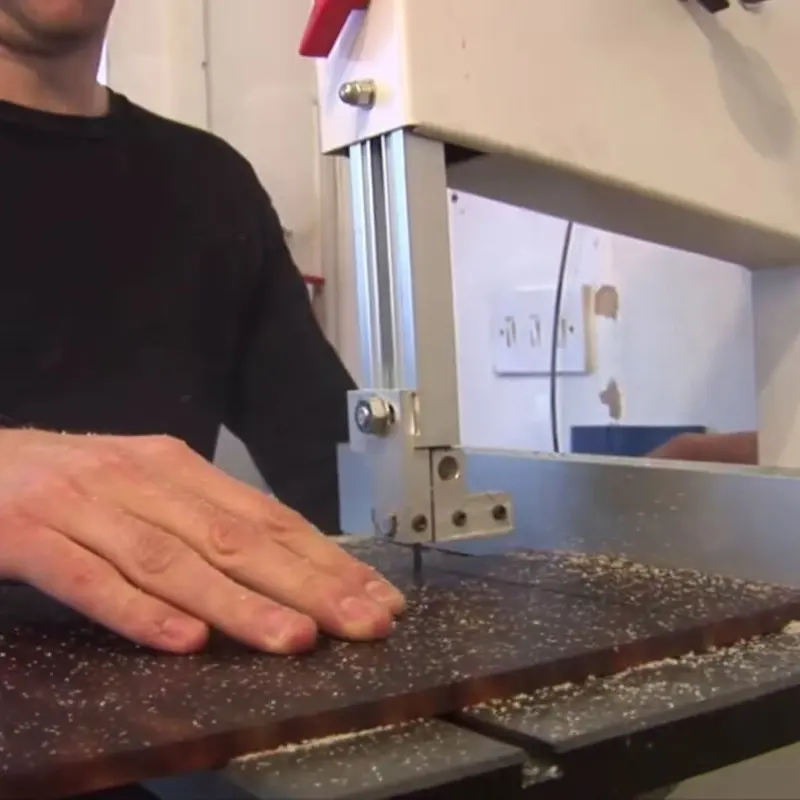
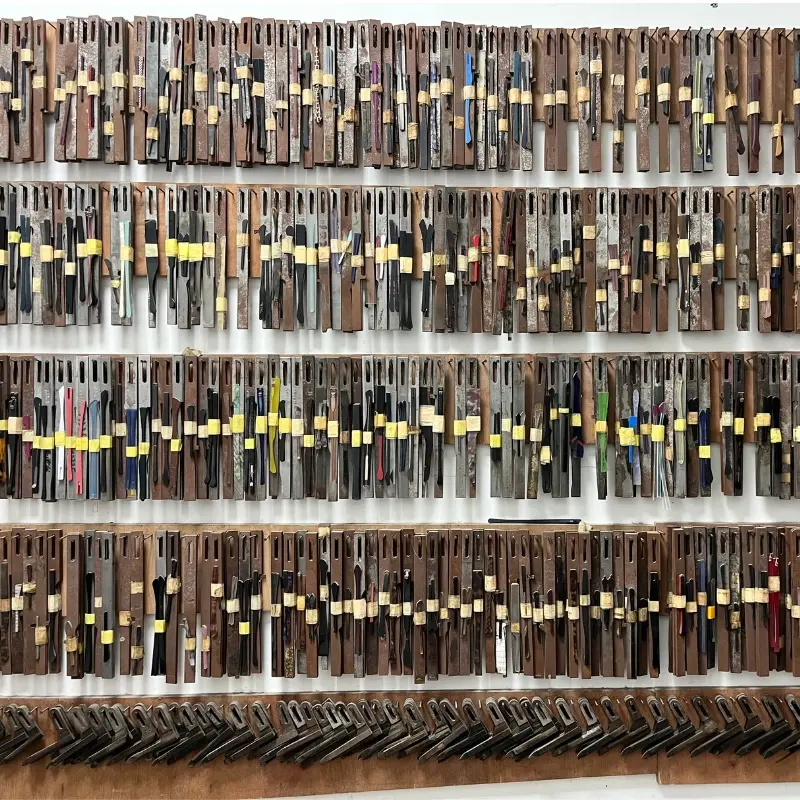
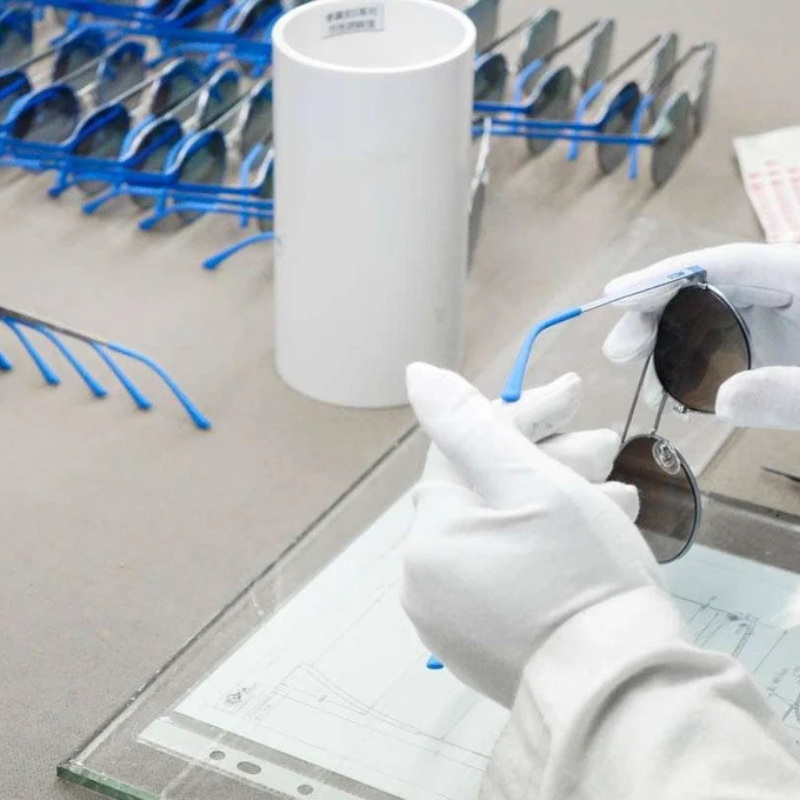
See it for yourself
If you've been burned by a supplier who only existed as photos and promises, we understand the skepticism. Several of our clients have visited us in Shenzhen — met the team handling their project, watched QC in progress, seen the tooling and production lines directly rather than taking our word for it. If a visit would help you decide, we'll help coordinate timing.
One point of contact, not a rotating cast
Reactive, slow communication is one of the most common reasons brands start looking elsewhere — so your project gets a single dedicated contact from first sample through every reorder after, not a different person answering each time depending on who's free. Meet the person you'd actually be working with.
What You're Protecting Is Different Now
A new brand worries about a design idea getting copied. An established brand is protecting something with a track record — proven sellers, sales patterns, customer data your competitors would want. That's a higher bar than a standard NDA conversation usually accounts for.
When Warped Frames Became a Deadline Problem
One brand came to us after their previous supplier's acetate frames kept warping — a material problem that showed up after the fact, on finished stock, not something they could catch in advance. Layered on top of that were delivery dates that kept slipping, throwing off their own launch timelines downstream.
Rather than commit to a full production order right away, they started with a sample — using that first round specifically to evaluate how we communicated, how closely we followed technical detail, and whether the finished piece actually matched the spec. Only once that held up did the relationship move to bulk production.
That first order became the first of many. The partnership has continued since, order after order, without the warping issues or missed dates that pushed them to look for a new manufacturer in the first place.
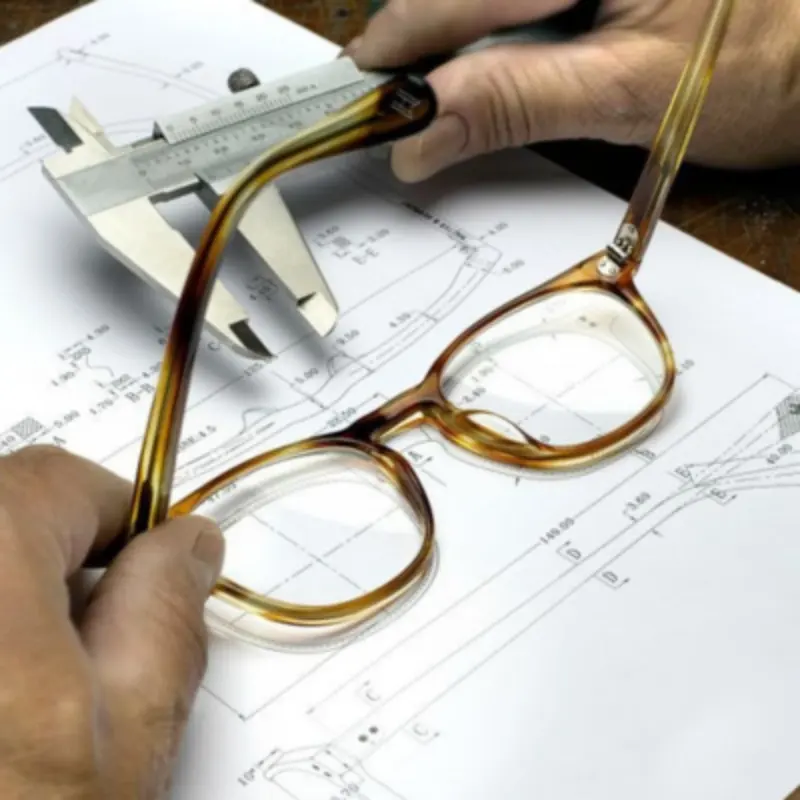
This is, in practice, the same transition described above — proving reliability at the sample stage before either side commits to bulk.
Your Concerns, at a Glance
Everything above, in one place — what you're likely worried about, and where on this page it's addressed.
| If you're worried about... | Here's how it's handled |
|---|---|
| Customers noticing a difference | Spectrophotometer color matching, replicated logo method, matched sizing — checked against your golden sample. |
| Running out of stock mid-switch | Staged, parallel transition — volume shifts gradually, not on a hard cutover date. |
| Whether we can handle your volume | Dedicated monthly capacity across acetate, metal, and injection — not a shared pool. |
| Molds or tooling from your old supplier | Two clear paths — ship and inspect existing tooling, or rebuild from your physical sample. |
| Slow, inconsistent communication | One dedicated point of contact for your project, start to finish. |
| Proven sales data or designs leaking | Confidential by standing practice, NDA available on request. |
Before You Reach Out
Do we need to send our own molds, or can you build new ones?
Either can work. If you own your existing molds and can ship them, we can evaluate whether they're usable as-is. If not, we build new tooling matched to your current spec — this is a conversation worth having early, since it affects both timeline and cost.
Can we test with a sample before committing to switch entirely?
Yes — this is the approach we'd recommend. Send your current best-selling style as a sample request, and use that to evaluate fit before any volume commitment.
How do you handle the overlap period with our current supplier?
We work in parallel with your existing timeline rather than asking you to cut over immediately — the goal is no stock gap between your last order from the old supplier and your first from us.
What if our current supplier doesn't know we're evaluating alternatives?
That's common, and entirely your call to manage. Everything on our side — samples, quotes, communication — stays confidential to your project.
Will pricing be comparable to what we're paying now?
It depends on the specifics of your current setup — material, MOQ, finishing complexity. We'll give you a transparent quote against your actual spec, not a general estimate, so you can compare it directly to what you're paying today.
What to Bring When You Reach Out
Having these ready speeds up the evaluation — none are mandatory to start a conversation, but the more we have, the more specific the first quote and sample plan can be.
Current spec sheet or tech pack — material, dimensions, logo placement and method, color codes if you have them.
A physical sample of your current best-selling style, if you're able to send one — the fastest way for us to match color and finish accurately.
Mold ownership status — whether you own your existing tooling and can ship it, or whether new tooling needs to be built from scratch.
Target markets and any required certifications — CE, FDA, CPSIA, or others, so compliance is built into the quote from the start, not discovered later.
Rough timeline — whether this is an exploratory conversation or a switch you need completed by a specific date.
Thinking about making the switch?
Send us your current spec sheet or a physical sample of what you're making today — we'll tell you honestly whether we're a fit before you commit to anything.
Start With a Sample