Blue Light Lenses in OEM Optical Frames: What's Included vs What Opticians Add Later
Blue light optical frames sit in an odd middle ground compared to everything else we’ve covered in this series. A standard optical frame ships with a demo lens — a placeholder that’s never meant to be worn. A blue light optical frame usually ships with something more finished than that: a real, functional, non-prescription lens that a customer can wear straight out of the box. That difference feels like good news, and mostly it is — until a customer asks for their prescription in it too, and the gap between “what shipped” and “what’s needed” shows up in a support inbox.
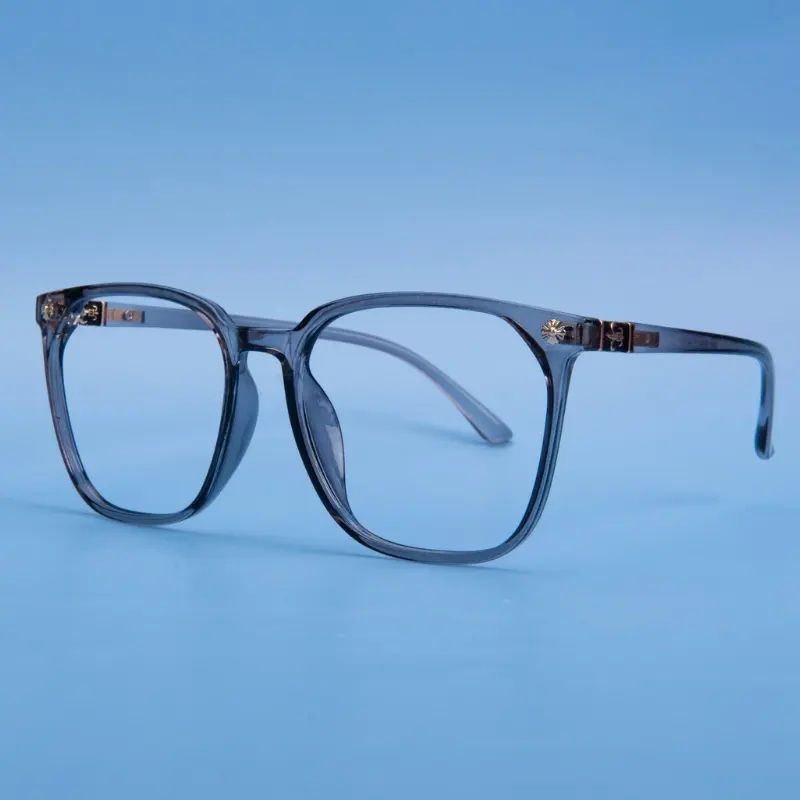
What Ships in the Frame: A Finished Lens, Not a Placeholder
It’s worth being precise about this distinction, because it’s easy to blur. A demo lens on a standard optical frame is a thin, non-functional stand-in — its only job is holding the frame’s shape until a real lens replaces it. A blue light lens installed in an OEM optical frame is different: it’s typically a genuine, finished plano lens with real filtering built in, either through a coating or a material-based approach. For a customer who doesn’t need vision correction, that lens is the final product. Nothing needs to be swapped out. What ships is what gets worn.
This is exactly why blue light optical frames get marketed and sold as ready-to-wear computer glasses, screen glasses, or gaming glasses — because for a meaningful share of buyers, that’s true.
The Gap: What Happens When a Customer Needs a Prescription Too
The confusion starts with a customer who both wants the blue light frame and needs vision correction. The natural assumption is that a local optician can simply “add” the prescription to the lens that’s already in the frame — grind some power into it, done. That’s not how it works. A finished plano lens, whether coated or filtered through its material, isn’t something a lab can selectively regrind to add optical power without compromising the lens. The plano lens has to come out entirely, and a different lens goes in its place.
This isn’t a flaw in the product — it’s simply a different starting point than most buyers expect, and it’s worth explaining before the order ships rather than after a confused customer contacts support.
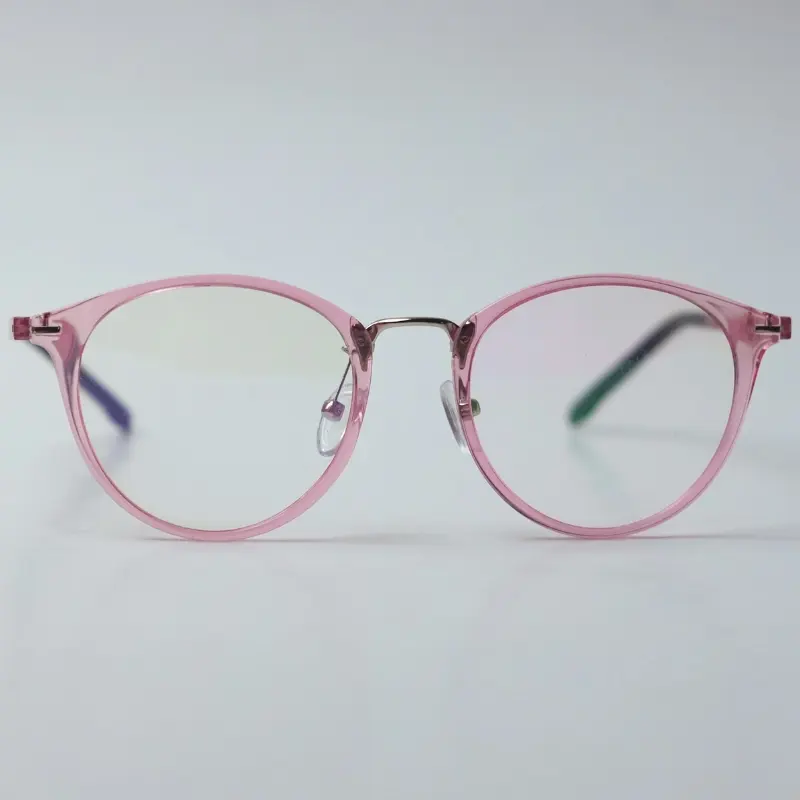
What the Local Lab Actually Sources: A Standard, Well-Stocked Category
Here’s the reassuring part: this isn’t a hard-to-find specialty item. Prescription blue light lens blanks — often labeled as “blue block” or “UV420 blue light blocking” in the lens supply trade — are a mature, widely available category across most common lens materials and indices, from standard CR-39 through polycarbonate and higher-index options. Optical labs that regularly serve digital-device-heavy markets typically already stock or can readily order these blanks, since blue light filtering has become a routine request rather than a niche one.
What this means in practice: the local lab isn’t solving an availability problem, it’s making a sourcing decision. They’re selecting a semi-finished blank that already has blue light filtering built into the material or its coating, then surfacing and edging it to the customer’s prescription and the frame’s exact groove or mounting specification — the same process covered in our guide to frame rim depth. The filtering technology itself doesn’t change anything about the fitting process; it’s simply a different starting blank than a standard clear lens would be.
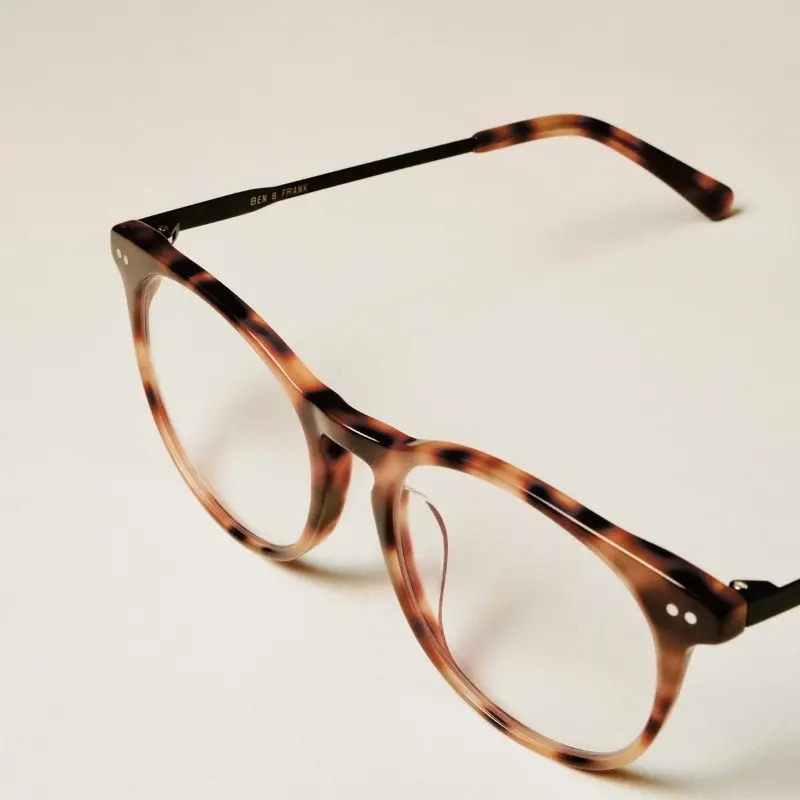
Why This Isn’t Just a Processing Step
It’s worth stating plainly: swapping a finished plano blue light lens for a prescription blue light lens is closer to a re-sourcing decision than an upgrade. The two lenses are different products from different points in the supply chain — one shipped finished from the frame factory, one surfaced to order by a local lab from a separate blank. Framing it this way to your own customers, rather than implying it’s a simple add-on service, sets an expectation that matches what actually happens.
How the Filtering Itself Works (And Where to Learn More)
Whether the lens in question is the finished plano version shipped in the frame or the prescription blank a local lab surfaces afterward, the underlying filtering technology is the same family of options: a surface coating, a material-based approach, or an absorptive tint, each with different trade-offs in appearance, durability, and filtering strength. We’ve gone deep on exactly how that works in our guide to blue light filtering lens coatings, and if you’re trying to verify whether a supplier’s filtering claim actually holds up, this piece on validating blue light coating claims walks through what to check.
What to Tell Your Own Customers
The fix here is the same one that runs through this whole cluster: say it plainly, before the order ships. If you’re selling blue light optical frames, it’s worth stating on the product page that the lens included is a finished, non-prescription lens ready to wear as-is, and that customers who need vision correction should expect their optician to fit a separate prescription lens with the same filtering built in — not to add power to the lens already in the frame. That single clarification does more to prevent confused messages than any amount of after-the-fact explaining.
Frequently Asked Questions
Can my optician just add my prescription to the blue light lens that came with my frame?
No. A finished plano blue light lens can’t be selectively reground to add optical power without compromising it. The optician will fit a separate prescription lens that has the same type of blue light filtering built in.
Is the blue light lens that ships with an OEM optical frame a demo lens?
No, and this is a useful distinction to know. A demo lens is a non-functional placeholder meant to be removed. A blue light lens shipped in an OEM optical frame is typically a genuine, finished, wearable lens — it’s just not ground to any prescription power.
Are prescription blue light lens blanks hard to source?
Not usually. Blue light filtering blanks are a well-established, widely stocked category across common lens materials and indices, so most optical labs serving everyday prescription customers can source or already carry them.
Does adding a prescription change how the blue light filtering works?
No. The filtering technology — whether coating-based or built into the lens material — works the same way regardless of whether the lens is plano or ground to a prescription. Only the surfacing and grinding process differs.
Should I mention this lens swap on my product page?
Yes. Stating clearly that the included lens is non-prescription and that a local optician will fit a separate prescription lens with matching filtering is a small addition that prevents most of the confusion customers run into after purchase.
Getting this right is less about the lens technology and more about setting the expectation early. If you’re building out blue light styles within your acetate optical frames collection, it’s worth putting this distinction directly into your product listings, so the difference between “ready to wear” and “ready for a prescription” is clear before the order ever ships.
Let's get started!
Get in touch with a custom eyewear specialist now for a free consultation and instant price quote.
WHATSAPP ME GO!
📱 Scan with your phone to start chatting