Titanium Sunglasses Production Timeline: From Sample to Bulk Shipment
“How long will this take?” is one of the first questions a brand asks before placing a titanium order, and it’s also one of the hardest to answer with a single number. A 30-day quote and a 90-day quote can both be accurate — for different specs, different order sizes, and different starting points. What’s missing from most answers isn’t honesty, it’s a breakdown of where that time actually goes.
This guide maps the titanium sunglasses production timeline stage by stage — what each phase covers, realistic time ranges, and where delays most commonly happen, including delays that have nothing to do with the factory floor.
Why Titanium Takes Longer Than Acetate or Standard Metal
Before the stage-by-stage breakdown, it’s worth understanding why titanium specifically tends to run on a longer timeline than acetate or stainless steel construction.
Titanium requires specialized, high-heat equipment for cutting, shaping, and welding, and the precision required to work with it is meaningfully higher than working with softer metals or acetate sheet — the material is less forgiving of process variation, which we’ve covered in more detail in our comparison of titanium and stainless steel. That same lack of forgiveness extends to timeline: corrections and rework take longer on titanium than on more workable materials, and that compounds across every stage from sampling through bulk production.
Stage 1: Design and Spec Confirmation (2–5 Days, If Complete)
This stage covers finalizing the technical details a factory needs before cutting any material — frame structure, dimensions, hardware specification, finish, and any branding details.
When a brand provides complete CAD files or a fully specified tech pack, this stage moves quickly, typically 2–5 days for the factory to review, confirm feasibility, and flag any questions before sampling begins. When specs are incomplete or still evolving — a reference image without precise dimensions, an undecided finish, hardware left unspecified — this stage stretches, and importantly, that stretch happens before the visible production clock even starts. A vague brief doesn’t just risk producing the wrong sample; it adds real time to the front end of the timeline before anything physical happens.
Stage 2: Sampling (2–4 Weeks, or 7–15 Working Days With an Existing Mold)
Sampling is where the design becomes a physical, wearable object for the first time, and the timeline here depends heavily on whether new tooling is required.
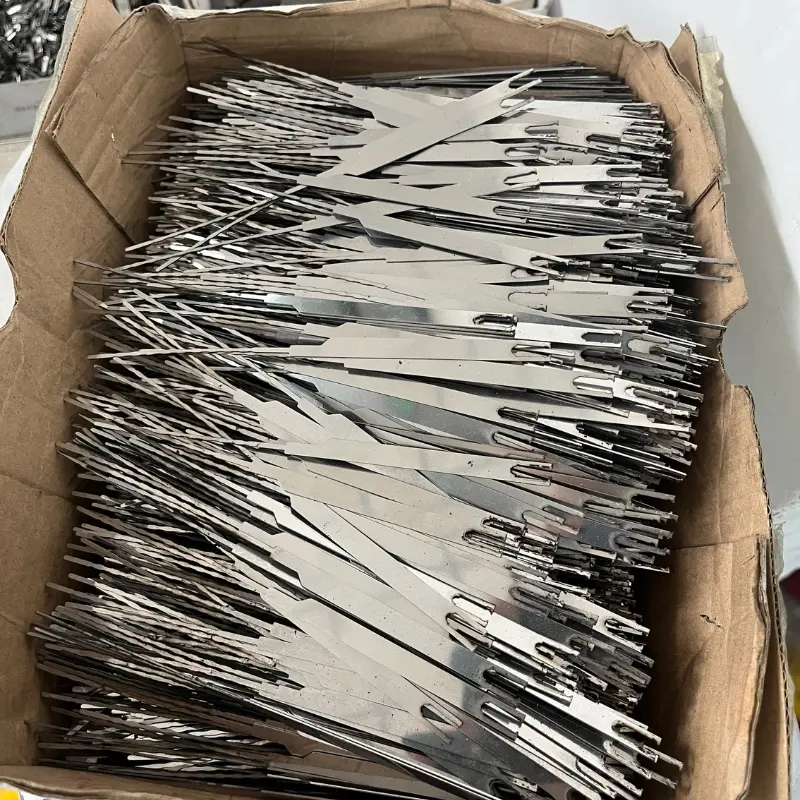
If the project uses an existing mold or tooling — a style with minor modifications rather than an entirely new structure — sampling can move as quickly as 7–15 working days. A genuinely new design, requiring new tooling or a structure the factory hasn’t built before, typically runs 2–4 weeks. This is also the stage where titanium-specific factors show up directly: CNC cutting tolerances, welding at hinge and stress points, and the finishing process (covered in more detail in our guide to titanium finishing options) all take longer to execute correctly on titanium than on acetate or stainless steel.
| Stage | Realistic Time Range | Primary Variable |
|---|---|---|
| Design & spec confirmation | 2–5 days (complete specs) | Completeness of brief |
| Sampling | 7–15 working days (existing mold) to 2–4 weeks (new design) | Tooling status, design complexity |
| Sample review & approval | Days to weeks | Internal brand decision-making speed |
| Bulk production | 60–90 days | Order volume, design complexity, finish requirements |
| QC & shipping prep | Days to 1–2 weeks | Inspection findings, documentation |
Stage 3: Sample Review and Approval — The Stage Most Brands Underestimate
This is the part of the timeline that has nothing to do with the factory floor and everything to do with how a brand makes decisions internally, and it’s worth being direct about because it’s a genuinely common source of delay.
A sample that needs sign-off from one decision-maker moves fast. A sample that needs sequential approval from multiple stakeholders — a designer, then a founder, then an investor, with each round potentially reopening earlier decisions — can add weeks to a timeline with zero involvement from the factory side. This isn’t a hypothetical risk; it’s one of the more common reasons a quoted timeline and an actual timeline diverge, and it’s also one of the few delay sources that’s fully within the brand’s control to manage. Establishing a single approval gate — one person with final sign-off authority — before sampling begins is a practical way to prevent this stage from quietly consuming weeks.
Stage 4: Bulk Production (60–90 Days)
Once the sample is approved, bulk production begins. For titanium specifically, this stage commonly runs 60–90 days, with the exact figure depending on project-specific details — design complexity, order volume, and finish requirements — rather than being a fixed number across every project.
A few factors that move bulk production toward the longer end of that range: a more complex finish (PVD coating or anodized color development, both of which require additional process steps beyond bare metal polishing), intricate hardware like metal inlay branding, or a larger order volume that requires more production line time. A simpler design — a brushed finish, standard hinge construction, moderate order volume — tends to land toward the shorter end. This is also the stage where incoming inspection on titanium raw material and in-process quality checks matter most, since catching an issue mid-production is far less costly than discovering it after the full run is complete.
Stage 5: Quality Control and Shipping Preparation
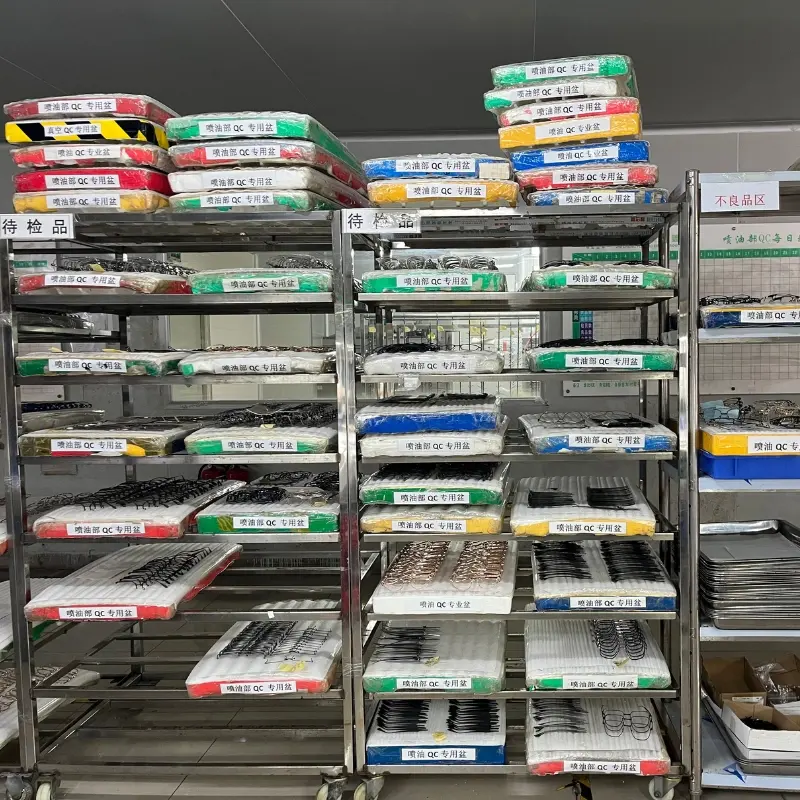
Before goods ship, finished frames go through inspection — checking finish consistency, hinge function, dimensional accuracy against the approved sample, and packaging. This stage typically adds days to one to two weeks depending on order size and how many units are pulled for inspection, plus the time needed to prepare shipping documentation.
This is also the stage where issues caught early in the brief — like confirming which finish and hardware specification was actually approved — pay off. A clear paper trail from sample approval through to QC inspection makes this stage faster, since there’s no ambiguity about what the finished product should match.
What Actually Causes Most Delays
Looking across these stages, the delays that extend a titanium production timeline tend to fall into a few repeatable categories, and it’s worth knowing which ones are within a brand’s control.
Incomplete specs at the brief stage — adds time before sampling even begins, and is fully preventable with a complete tech pack.
Multiple, sequential internal approvals — adds time with zero factory involvement, and is addressable by establishing a single approval owner before the project starts.
New tooling or genuinely novel construction — adds time that’s inherent to the design choice, not a process failure, but worth knowing upfront when planning a launch date.
Mid-production quality issues caught late — far more costly in time than issues caught during sampling or early in the bulk run, which is part of why in-process inspection matters more than relying solely on final QC.
Two of these four categories are substantially within a brand’s control. The other two are real constraints of titanium construction worth building into a launch timeline from the start, rather than treating as a result of factory inefficiency.

The Practical Takeaway
A titanium sunglasses timeline from sample to bulk shipment realistically runs from several weeks at the fast end to several months at the longer end, depending on tooling status, design complexity, and how decisions get made on the brand side. The factory-controlled portions — sampling and bulk production — are the parts most quoted timelines focus on, but the brand-controlled portions — spec completeness and approval speed — are often where the largest, most avoidable delays actually happen. Planning around the full chain for a titanium sunglasses launch, not just the production stages, is what keeps a quoted timeline and an actual delivery date aligned.
Frequently Asked Questions
How long does it take to get a titanium sunglasses sample?
Typically 7–15 working days if the project uses an existing mold or tooling, or 2–4 weeks for a genuinely new design requiring new tooling. Complete, precise specs at the brief stage are the biggest factor in hitting the faster end of that range.
Why does titanium take longer to manufacture than acetate?
Titanium requires specialized high-heat equipment and tighter process tolerances for cutting, shaping, and welding compared to acetate or softer metals, and corrections take longer when something needs to be reworked. This adds time across sampling and bulk production alike, not just one stage.
What’s the typical bulk production time for titanium sunglasses?
Generally 60–90 days after sample approval, with the exact timeline depending on project-specific details like design complexity, order volume, and finish requirements — a complex PVD or anodized finish, intricate hardware, or a larger order tends to land toward the longer end of that range.
What’s the most common cause of delay that isn’t the factory’s fault?
Sequential internal approval processes — when a sample needs sign-off from multiple stakeholders in turn rather than one decision-maker — are one of the more common sources of delay that have nothing to do with production capability. Establishing a single approval owner before sampling begins is a practical way to prevent this.
Can a titanium order be rushed?
Some compression is possible, particularly around sampling if existing tooling can be used, but titanium’s process tolerances limit how much bulk production time can realistically be cut without risking quality. It’s worth discussing rush options directly with your manufacturer early, since some stages compress more easily than others.
Should I plan my launch date around the production timeline or the full project timeline?
The full project timeline — including spec finalization and internal approval rounds, not just sampling and bulk production. Brands that plan a launch date around the factory-quoted production time alone are the ones most likely to find that date slipping, since brand-side decision time is a real part of the chain even though it isn’t reflected in a standard production quote.
Let's get started!
Get in touch with a custom eyewear specialist now for a free consultation and instant price quote.
WHATSAPP ME GO!
📱 Scan with your phone to start chatting