TR90 Sunglasses Pricing and MOQ: What Determines Your Quote
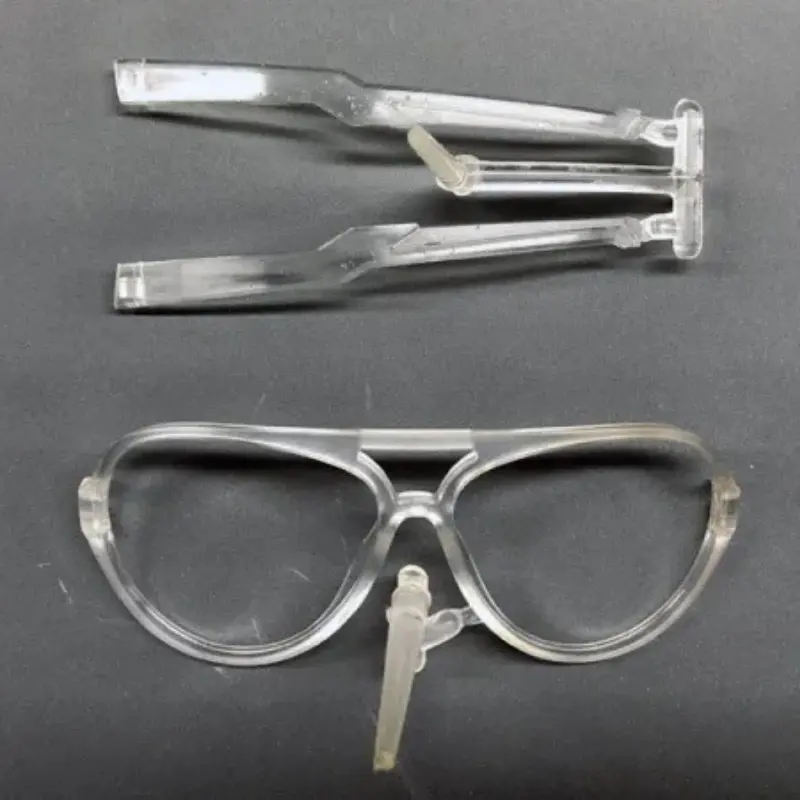
A TR90 sunglasses quote can range from a few dollars a piece to well over ten, and the MOQ attached to it can range from a few hundred pieces to well over a thousand — and both numbers are accurate, just for different specs. The frustrating part for a first-time buyer isn’t that prices vary; it’s that quotes often arrive without enough explanation of why, which makes it hard to tell whether a number is fair or whether a brief left out details that would change it.
This guide breaks down the specific variables that actually move a TR90 quote — mold status, lens type, branding, packaging, and order volume — so you can read a quote with more context and build a brief that gets you an accurate one the first time.
The Single Biggest Variable: Mold Status
Before any other factor, whether your project uses an existing mold or requires a new one is the variable that has the largest effect on both price and MOQ, a distinction covered in more detail in our guide comparing injection molding and CNC machining.
Using an existing mold — applying a minor modification such as a different frame color, a different lens color, or logo printing to a standard style rather than developing an entirely new shape — keeps MOQ in a more accessible range, commonly 600 pieces per style, split across a minimum of two colors at roughly 300 pieces per color. Some suppliers offer even smaller trial orders on ready-mold designs. There’s no tooling cost to amortize in this scenario, so per-unit pricing reflects material, labor, and finishing alone.
Developing a custom mold for your own frame shape is a different commitment. Mold cost varies considerably based on design complexity — a simple shape with standard proportions sits toward the lower end, while an intricate design, unusual structure, or multiple cavities pushes it higher. Across the range of projects we see, custom TR90 mold costs commonly run from roughly $1,000 to $23,000, which is a wide span precisely because frame complexity varies so much — a basic, simple-geometry design and a highly detailed, structurally complex one are genuinely different engineering problems, not the same mold at different prices. Custom-mold MOQ is also typically higher, commonly 1,000–1,500 pieces per model, split across colors, since the mold investment needs to be justified by sufficient volume.
| Mold Status | Typical MOQ | Cost Structure |
|---|---|---|
| Existing mold, minor modifications (frame color, lens color, logo printing) | 600 pcs per style — minimum 2 colors at ~300 pcs/color | No tooling cost — price reflects material, labor, finishing |
| New custom mold | 1,000–1,500 pcs per model | Mold cost (~$1,000–$23,000 depending on complexity) + per-unit cost |
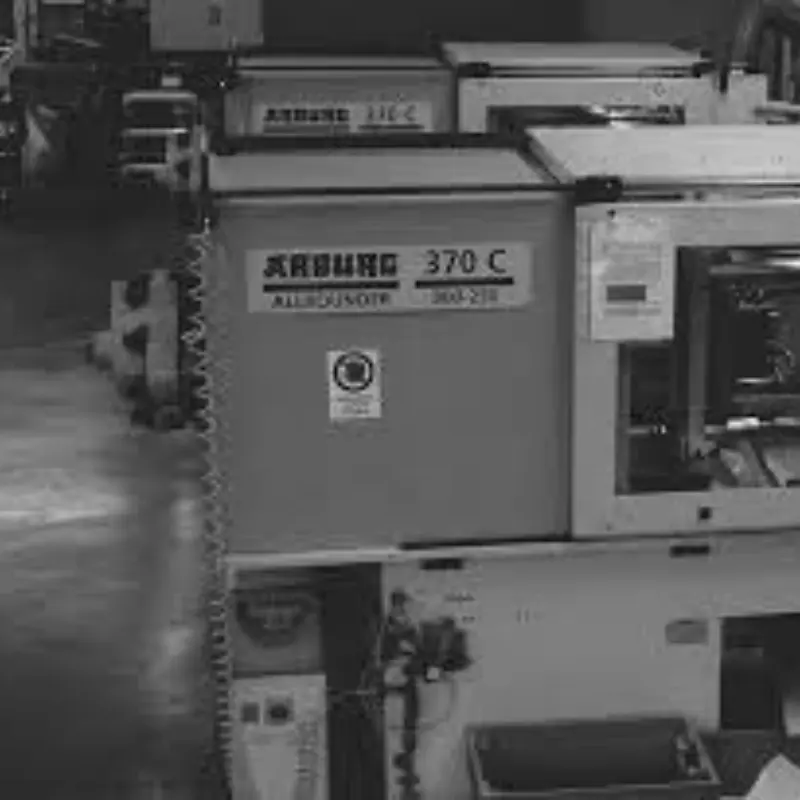
Validating a Custom Design Before Committing to a Mold
For brands commissioning a fully custom TR90 frame shape, one important step sits between the design brief and the mold investment: the Rapid Prototype (RP) sample.
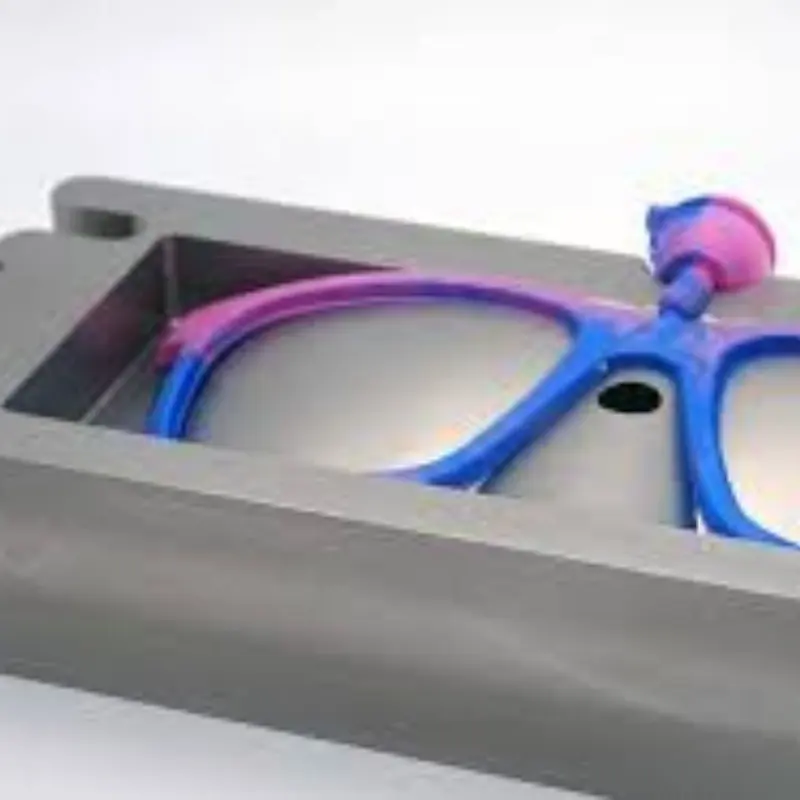
An RP sample is produced through 3D printing or SLA resin — no mold is required — and allows a brand to physically confirm the frame’s shape, proportions, and fit before the mold is cut. Because RP samples cost a fraction of what a mold costs, this is a meaningful risk-reduction step: adjustments to the design can be made at the prototype stage rather than after the mold has already been machined, which is significantly more expensive to modify.
At Sailook, clients confirm the RP sample before we proceed to mold production. The mold is only cut once the design has been signed off in three dimensions — not on paper alone. This sequence protects both sides: the brand avoids paying for a mold built around a design that doesn’t fit or look right in physical form, and production stays on schedule once the mold is commissioned.
RP samples are priced separately from both the mold and the production order, and are not subject to MOQ. If you’re developing an OEM frame shape for the first time, asking your manufacturer about RP sample availability before committing to tooling is a straightforward way to reduce design risk without adding significant cost or lead time.
What Else Moves the Per-Unit Price
Once mold status is settled, several other specs shift the quote within its range.
Lens type. A standard tinted lens sits at the lower end of per-unit cost. Polarized lenses add meaningfully to the price, given the additional lamination and quality-control steps involved — a cost difference worth understanding in more detail through our guide to polarized sunglasses if your TR90 collection includes a polarized option.
Color complexity. A standard single color from an existing pigment formula costs less than custom Pantone matching, which typically carries a setup charge per color batch since it involves formulating and testing a new pigment recipe rather than using one already on hand — a distinction covered in more detail in our guide to TR90 color and customization options. Dual-tone or multi-color molding adds further cost on top of single-color pricing.
Branding method. Pad printing and laser engraving carry a one-time setup fee, generally modest relative to the overall order, plus a per-unit cost that’s usually minor compared to the frame itself. Branding customization typically requires its own minimum quantity per design — commonly in the low hundreds of pieces — separate from the overall frame MOQ.
Packaging. Basic packaging (a simple polybag) often comes at no added cost. Branded boxes, pouches, or custom inserts add a per-unit cost that varies with material and complexity — worth budgeting for explicitly rather than assuming packaging is a rounding error in your total cost.
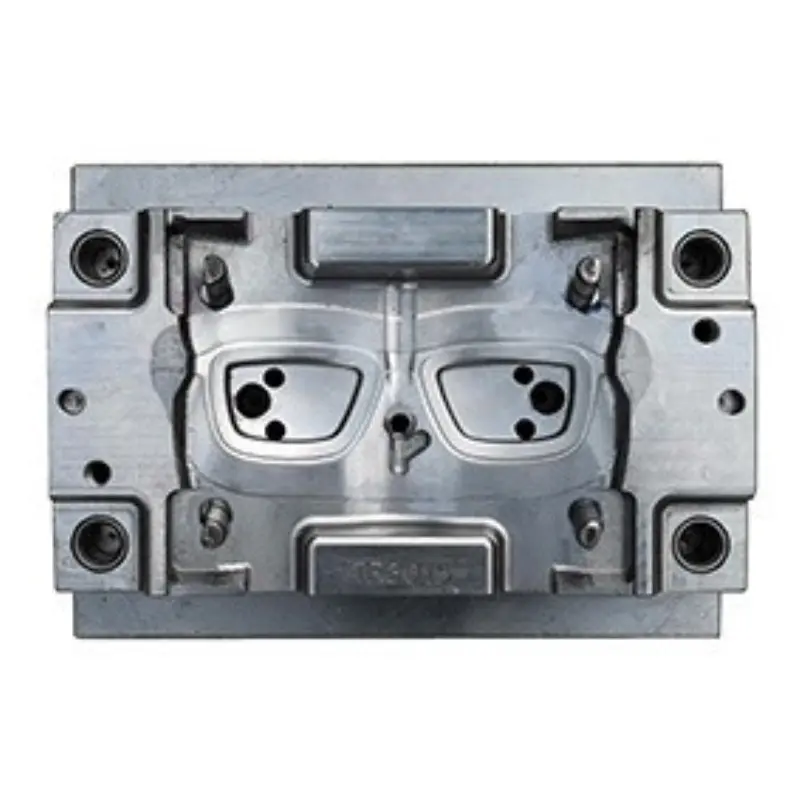
How Order Volume Affects Per-Unit Cost
Within whichever mold scenario applies to your project, ordering more units generally lowers the per-unit price, for reasons that are mechanical rather than arbitrary.
Larger orders spread fixed costs — mold amortization, setup fees, production line changeover — across more units, which is the primary driver of the discount. Larger orders also typically run more efficiently on the production line itself, with less proportional downtime for changeovers between batches. This is part of why reusing an existing mold across a larger order, or consolidating multiple smaller orders into fewer, larger production runs, is one of the more reliable ways to bring per-unit cost down without changing the spec itself.
A Complete Brief Gets You an Accurate Quote the First Time
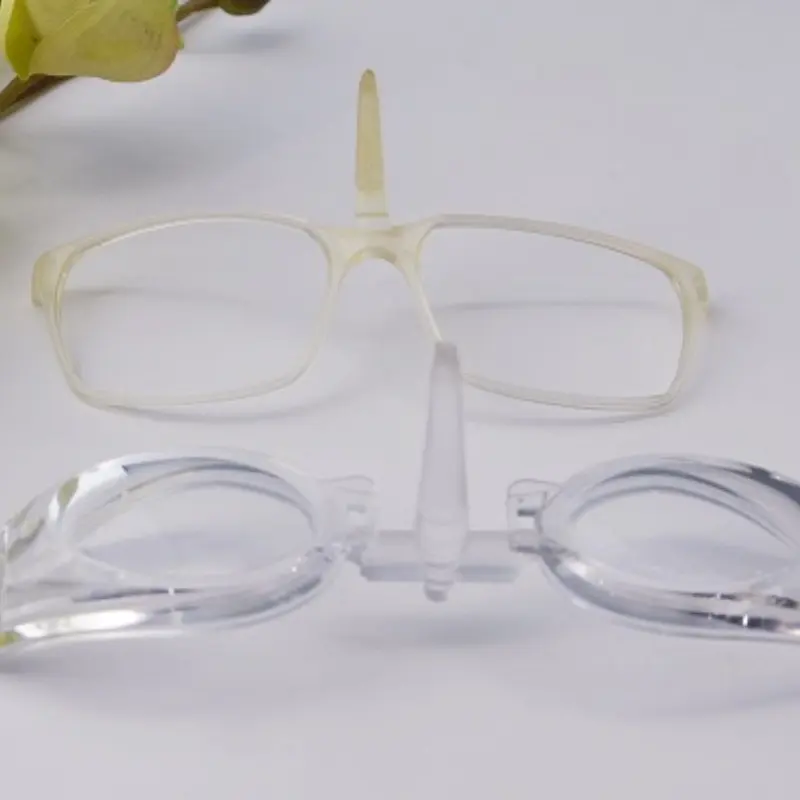
The most common reason a quote changes after it’s already been given isn’t a manufacturer being unreliable — it’s a brief that left out a detail that turns out to matter. A complete TR90 brief specifies:
- Mold status — using an existing style/mold or developing a new one
- Target order volume — since per-unit pricing genuinely depends on this, not just MOQ compliance
- Lens specification — standard tint, polarized, or other functional coating
- Color and finish — standard formula or custom Pantone match, molded-in pigment or spray coating
- Branding details — method, placement, and whether it’s a new logo setup
- Packaging requirements — basic or custom, and what materials are involved
Providing this upfront, rather than getting an initial quote and adding details afterward, is what keeps a quote from shifting partway through a project.
The Practical Takeaway
A TR90 sunglasses quote isn’t a single number waiting to be negotiated down — it’s the sum of several genuinely separate cost drivers, with mold status as the largest single factor and lens type, color, branding, and packaging layered on top. Custom mold costs span a wide range, roughly $1,000 to $23,000, specifically because frame complexity varies that much from one design to the next. Providing a complete brief upfront, rather than letting a manufacturer guess at unspecified details, is the most reliable way to get an accurate quote on the first attempt rather than a revised one later.
Frequently Asked Questions
What’s a typical MOQ for TR90 sunglasses?
It depends on mold status. Using an existing mold or style — applying a minor modification like a frame color change, lens color change, or logo printing — typically allows an MOQ of 600 pieces per style, split across a minimum of two colors at roughly 300 pieces per color. A custom mold for your own frame design typically requires 1,000–1,500 pieces per model, split across colors, since the tooling investment needs sufficient volume to be justified.
How much does a custom TR90 mold cost?
Mold cost commonly ranges from roughly $1,000 to $23,000, depending heavily on design complexity. A simple, standard-proportion shape sits toward the lower end; an intricate or structurally complex design sits toward the higher end. This is a one-time cost, separate from per-unit production pricing.
What is an RP sample, and do I need one before ordering a custom mold?
An RP (Rapid Prototype) sample is a physical model of the frame produced through 3D printing or SLA resin, without any mold being cut. It allows a brand to confirm shape, proportions, and fit before committing to mold tooling. Because RP samples cost significantly less than a mold, they are a practical way to catch design issues early. At Sailook, clients confirm the RP sample before mold production begins. RP samples are not subject to MOQ and are priced separately from the mold and production order.
Why do polarized TR90 sunglasses cost more than standard tinted versions?
Polarized lenses require additional lamination and quality-control steps compared to a standard tinted lens, which adds to the per-unit cost. This is a lens-specification factor, separate from frame material or mold cost.
Does custom color cost more than a standard color?
Yes, generally. A standard color from an existing pigment formula is typically less expensive than custom Pantone matching, which usually carries a setup charge per color batch since it involves formulating and testing a new pigment recipe rather than using an existing one.
How much does branding (logo printing or engraving) add to the cost?
Branding typically adds a one-time setup fee, generally modest relative to the overall order, plus a small per-unit cost. It also usually carries its own minimum quantity per design, separate from the overall frame MOQ, which is worth confirming if you’re branding multiple styles or colorways.
Why did my quote change after I provided more details?
This usually happens when the initial quote was based on an incomplete brief — a detail like lens type, color complexity, or packaging wasn’t specified upfront and changed the actual cost once clarified. Providing a complete brief from the start, covering mold status, volume, lens spec, color, branding, and packaging, is the most reliable way to avoid this.
Let's get started!
Get in touch with a custom eyewear specialist now for a free consultation and instant price quote.
WHATSAPP ME GO!
📱 Scan with your phone to start chatting