TR90 Sunglasses Care and Maintenance: What Brands Need to Tell Customers
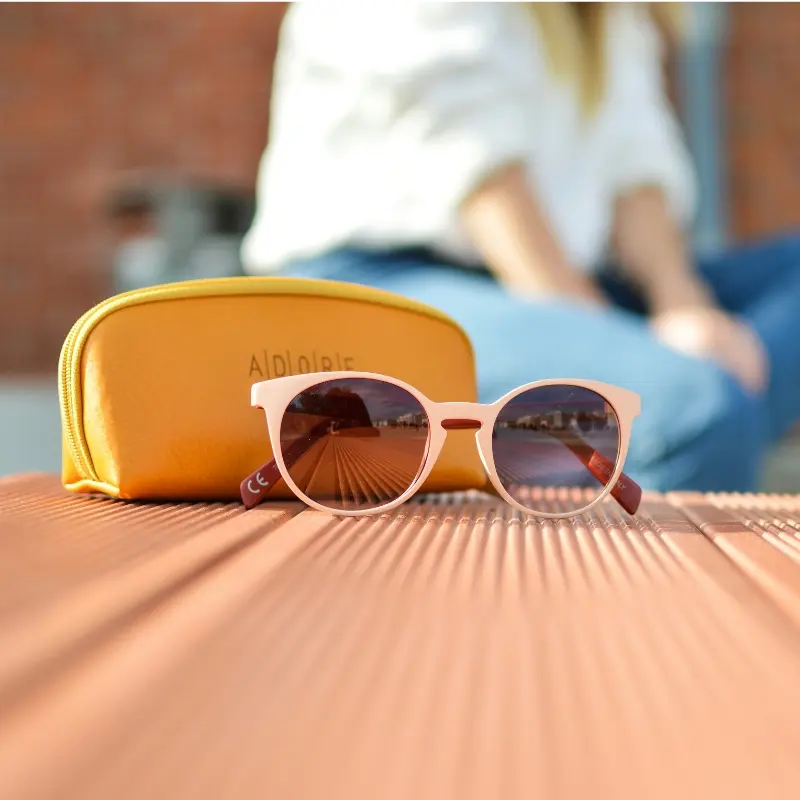
TR90’s reputation for toughness creates a specific problem for brands: customers who hear “impact-resistant” and “flexible” tend to assume the product needs no real care at all. It’s a reasonable assumption, and it’s not entirely correct. TR90 genuinely holds up better than most frame materials under daily wear, but durable isn’t the same as indestructible, and the gap between those two ideas is where a meaningful share of preventable returns and complaints comes from.
This guide isn’t a generic sunglasses cleaning checklist — there’s plenty of that online already, written for consumers who’ve already bought a pair. This is about what you, as a brand, should be telling customers about TR90 specifically, so the product’s real strengths don’t get undermined by handling habits nobody warned them about.
Why TR90’s Toughness Reputation Works Against Clear Care Communication
TR90’s flexibility and impact resistance, covered in more detail in our guide to what TR90 actually is, are genuine properties — the material really does bend and recover from stress that would crack a more rigid frame. The problem is that this reputation tends to travel further than the actual material properties support, and a customer who’s internalized “TR90 is basically unbreakable” has little reason to handle the product carefully.
This matters because the failure modes that do affect TR90 — heat exposure beyond its tolerance, surface degradation from the wrong cleaning products, hinge wear from careless handling — are largely preventable with the right information, but only if that information actually reaches the customer. A return driven by a preventable care issue is a unit you’ve already paid to produce and ship, and a complaint that doesn’t distinguish “this is defective” from “I didn’t know not to do that” costs the same in damaged trust either way.
What TR90 Actually Resists, and Where Its Limits Are
Setting accurate customer expectations starts with being precise about what TR90 handles well and what still requires care.
Heat resistance is real, but not unlimited. TR90 tolerates a meaningfully wider temperature range than acetate before it starts to soften, which is one of its genuine practical advantages, covered in more detail in our comparison of TR90 versus acetate. But extended exposure to extreme heat — sunglasses left in a closed car on a hot day for hours, for example — can still soften and deform TR90 over time. The honest message for customers is that TR90 is considerably more heat-tolerant than acetate, not that it’s heat-proof.
Impact resistance doesn’t mean unlimited flex. TR90’s memory-plastic property allows it to bend under pressure and spring back rather than cracking, but that elasticity has a range. Forcing a TR90 frame beyond its designed flex range — repeatedly bending it sharply, for instance — can eventually fatigue the material at stress points even though it looks fine after each individual flex.
The surface finish is more vulnerable than the underlying material. TR90’s structural toughness doesn’t extend to its surface coating or finish in the same way. Alcohol-based cleaners and other harsh chemicals can degrade TR90’s surface finish over time, dulling the appearance even though the frame’s structural integrity is unaffected — a distinction worth making clear to customers who might otherwise assume any visible change means the product is failing.
| What TR90 Resists Well | Where It Still Has Limits |
|---|---|
| Everyday impact, drops, bending | Repeated extreme flexing beyond its designed range |
| Normal temperature exposure | Extended exposure to extreme heat (e.g., hot car for hours) |
| General daily wear and handling | Harsh chemical cleaners that degrade surface finish |
| Allergic reactions (hypoallergenic) | Hinge wear from careless one-handed removal |
The Care Instructions Worth Putting in Front of Customers
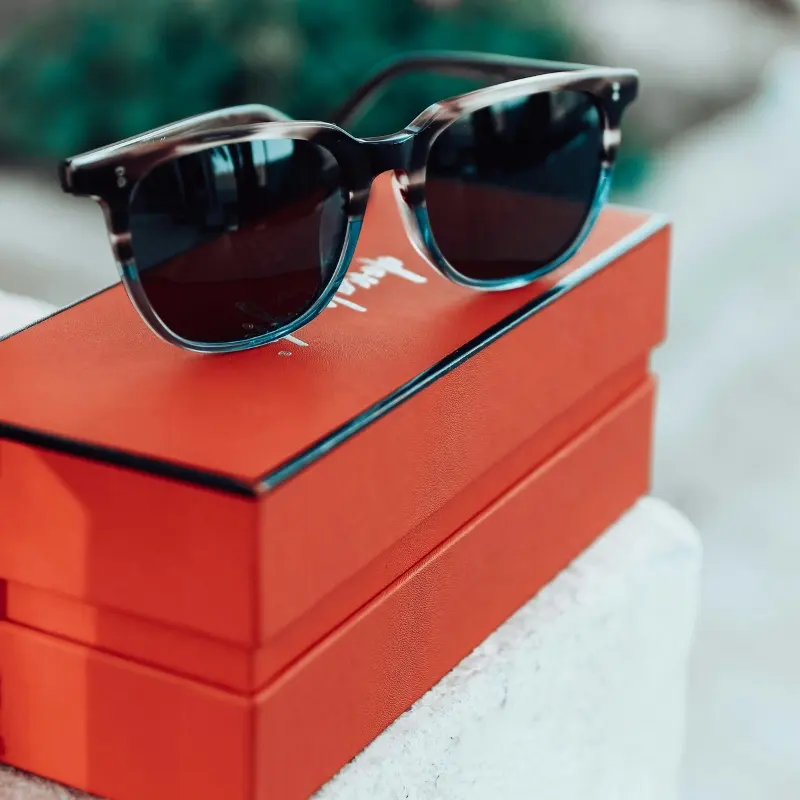
This is the core information worth including on a care card, in a confirmation email, or as part of packaging — each point addresses a specific, preventable failure mode.
1. Avoid Extended Heat Exposure
Tell customers explicitly not to leave TR90 sunglasses in a closed car or other extreme-heat environment for extended periods. TR90 tolerates far more heat than acetate before it’s affected, but it isn’t immune, and warping from prolonged extreme heat is the kind of damage a customer is likely to mistake for a manufacturing defect rather than something they could have prevented.
2. Clean With a Microfiber Cloth — Skip Alcohol-Based Products
A microfiber cloth with mild soap and water, or a lens-safe cleaning spray, removes oils and debris without risk. Alcohol-based cleaners and other harsh chemicals can degrade TR90’s surface finish over time, and paper towels or clothing fabric carry the same scratch risk on TR90 lenses that they do on any other material.
3. Use Two Hands to Put On and Take Off
One-handed removal puts uneven, repeated stress on a single hinge rather than distributing it across both sides — a habit that accelerates hinge wear regardless of how durable the frame material itself is. This is the same underlying principle covered in more detail in our guide to acetate sunglasses care and maintenance, since hinge mechanics don’t change based on what the frame around them is made of.
4. Store in a Case When Not in Use
TR90’s flexibility is a genuine strength against impact, but a frame tossed loose into a bag still picks up surface scratches from keys, coins, and other contents — damage that has nothing to do with the frame material’s durability but looks like a defect to the customer experiencing it.
5. Check Screws and Hinges Periodically
A loose screw or a hinge developing play is a minor, inexpensive fix if addressed early, and a bigger repair if a customer keeps wearing the frame in that condition for months. This is worth mentioning specifically because TR90’s overall toughness can make customers less attentive to smaller mechanical details like screw tightness, even though those components aren’t made more durable just because the surrounding frame is TR90.
A Note on Metal Hardware: Don’t Let Customers Blame the Wrong Material
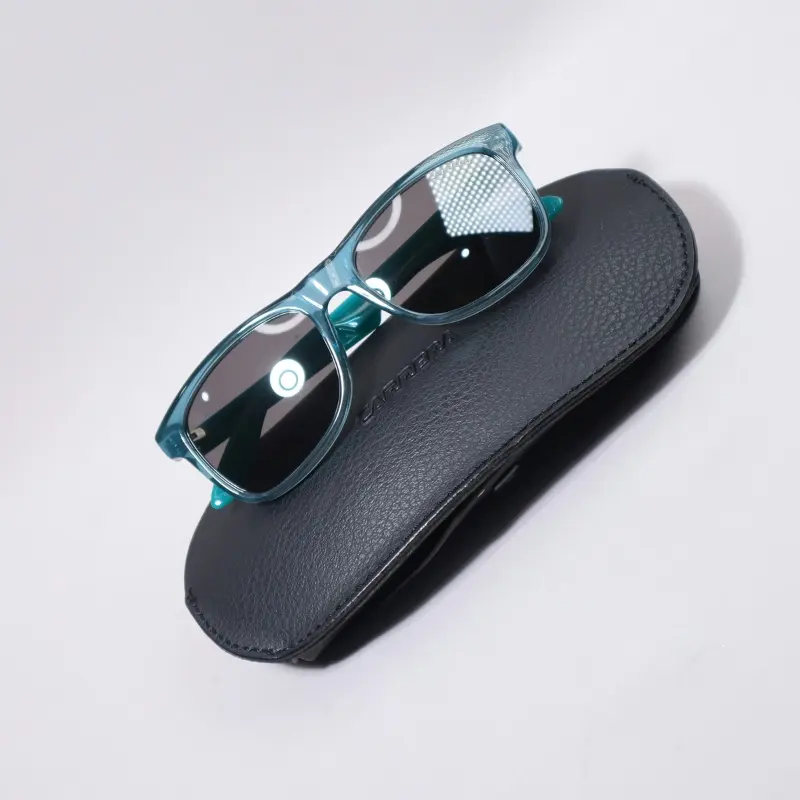
TR90 frames commonly include metal components — hinges, screws, sometimes decorative accents — and these parts can develop a greenish residue over time from oxidation, particularly with regular exposure to sweat, skin oils, or humidity. This is worth addressing directly in customer communication, because it’s a common point of confusion: the oxidation is happening on the metal hardware, not the TR90 material itself, and a customer who doesn’t understand this distinction may assume the entire frame is degrading when it’s actually a separate, normal, and easily addressed issue with a small component.
Wiping metal contact points (particularly nose pads, if metal) with a dry cloth regularly, and addressing any residue with a slightly damp cloth rather than letting it accumulate, prevents this from becoming a visible problem. This is a minor maintenance point, but flagging it proactively prevents a customer from misattributing normal hardware oxidation to a flaw in the frame material.
Common TR90 Issues and Whether They’re a Defect or a Care Problem
Being able to make this distinction quickly helps a brand respond accurately to customer complaints and flag genuine manufacturing concerns to a supplier rather than treating every issue the same way.
Frame warping: Usually traces back to extended heat exposure rather than a defect, unless it appears very early in the product’s life with no heat exposure the customer can identify. Warping after a summer of being left in a hot car is a care issue; warping right out of the box is worth investigating with your manufacturer.
Dulled or hazy surface finish: Typically caused by harsh cleaning chemicals or abrasive materials over time — a care issue rather than a manufacturing one, though a finish that looks dull immediately upon arrival is worth flagging as a possible quality concern.
Loose hinges: Gradual loosening over months of normal use, especially with one-handed removal habits, is expected mechanical wear. Looseness within the first few weeks of light use is a legitimate quality concern worth raising with your supplier.
Green residue near hinges or nose pads: Almost always oxidation on metal hardware components, not a TR90 material issue — addressed with light cleaning rather than treated as a defect.
The Practical Takeaway
TR90 sunglasses earn their durable reputation honestly — but that same durability is exactly what makes clear care communication necessary rather than optional, since a customer who believes the product is indestructible has no reason to avoid the handling habits that actually do cause damage. A short care card covering heat exposure, cleaning method, two-handed removal, storage, and the distinction between hardware oxidation and material defects costs very little to implement and prevents a meaningful share of complaints that get misattributed to product quality rather than recognized as normal wear or preventable handling issues.
Frequently Asked Questions
Is TR90 really heatproof?
No, though it’s considerably more heat-resistant than acetate. TR90 tolerates a wider temperature range before softening, but extended exposure to extreme heat — like a closed car on a hot day — can still warp it over time. The accurate message is “more heat-tolerant,” not “heat-proof.”
What’s the best way to clean TR90 sunglasses?
A microfiber cloth with mild soap and water, or a lens-safe cleaning spray, works well. Avoid alcohol-based cleaners and harsh chemicals, which can degrade TR90’s surface finish over time, and avoid paper towels or clothing, which carry scratch risk on the lenses.
Why does my TR90 frame have green residue near the hinges?
This is almost always oxidation on the metal hardware components — hinges, screws, or metal accents — not a problem with the TR90 material itself. Regular wiping of metal contact points with a dry cloth prevents this buildup.
Can TR90 frames be bent back into shape if they warp?
Minor warping from heat exposure can sometimes be corrected with controlled, gentle heat application, similar to other thermoplastic frame materials — this isn’t something a customer should attempt at home, since uncontrolled force or heat risks further damage rather than correction.
Does using one hand to remove TR90 sunglasses actually cause damage?
Yes, over time. One-handed removal puts uneven, repeated stress on a single hinge rather than distributing it across both sides, which accelerates hinge wear regardless of how durable the surrounding frame material is. This applies to TR90 the same way it applies to any hinge-based frame.
How long should TR90 sunglasses last with proper care?
With reasonable care — avoiding extreme heat, using appropriate cleaning methods, and two-handed removal — TR90 frames commonly outlast frames in less durable materials by a meaningful margin. Most issues that shorten a TR90 frame’s usable life trace back to handling habits rather than the material reaching a natural limit.
Let's get started!
Get in touch with a custom eyewear specialist now for a free consultation and instant price quote.
WHATSAPP ME GO!
📱 Scan with your phone to start chatting