Sunglasses Markup Explained: Why a $20 Wholesale Cost Can Retail for $300+
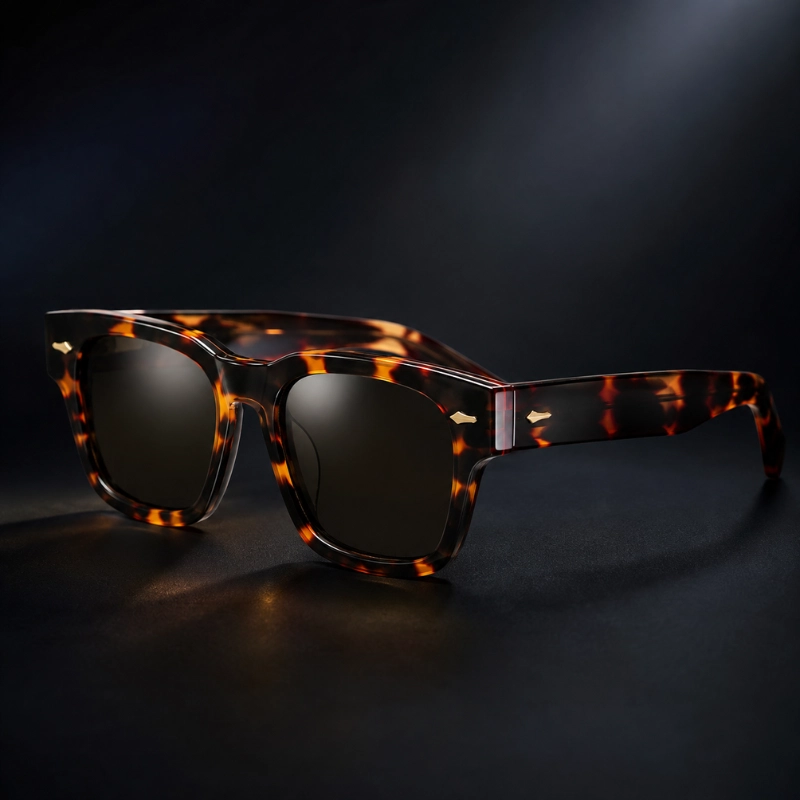
If you’ve priced out your first sunglasses order, you’ve probably run the same math: a pair that costs you $20–25 landed can retail for $300, sometimes more, on a well-positioned brand’s shelf. That’s not a typo, and it’s not unique to sunglasses — but sunglasses sit at the extreme end of it. A 10x to 15x multiple between wholesale cost and retail price is normal in this category, not a red flag.
What’s less obvious is why that gap exists, and — more usefully for a brand just getting started — what you actually have to build to earn it. Marking a $20 product up to $300 without doing anything else doesn’t produce a $300 product. It produces a $20 product with a confusing price tag, and confused customers don’t buy.
What a 10–15x Markup Actually Has to Cover
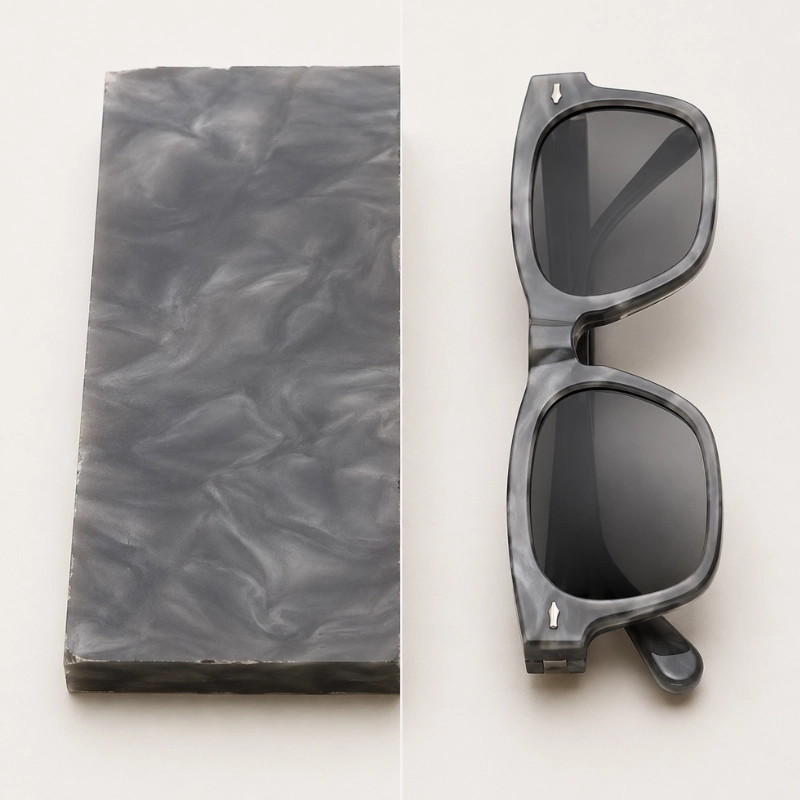
The wholesale cost you pay covers the physical object: material, labor, mold amortization if you’re using custom tooling, and basic QC. That’s real, but it’s also the smallest line item in the final retail price. Everything else the markup has to fund happens after the product leaves the factory:
- Brand development — the design work, naming, packaging, and photography that turn a frame into something a customer recognizes and wants
- Customer acquisition — ads, influencer partnerships, content, or wholesale/retail commissions, all of which cost real money per unit sold
- Channel margin — if you’re selling through boutiques or retail chains rather than direct-to-consumer, they take their own cut before the product reaches the shelf
- Returns, warranty, and inventory risk — unsold stock, damaged returns, and seasonal markdowns all get absorbed somewhere in the margin
- The actual profit — after all of the above, what’s left is what makes the business sustainable
None of this is unique to eyewear — it’s roughly the same structure behind why a $3 t-shirt becomes a $60 one. Sunglasses just have a wider spread because the category rewards visible craftsmanship (a hand-polished acetate bevel is easy to feel and see) more than most accessories do, which gives well-executed brands more room to work with.
The Levers That Make a Premium Price Feel Earned
A high price only holds up if something in the product or the experience around it justifies it to the person paying. In practice, that comes down to a handful of decisions you make well before the first unit ships:
Material choice. Acetate reads as premium in a way injection-molded plastic doesn’t, and within acetate, sourcing from a mill like Mazzucchelli instead of a generic supplier is a real, visible difference — color depth and pattern that a customer notices even without knowing why.
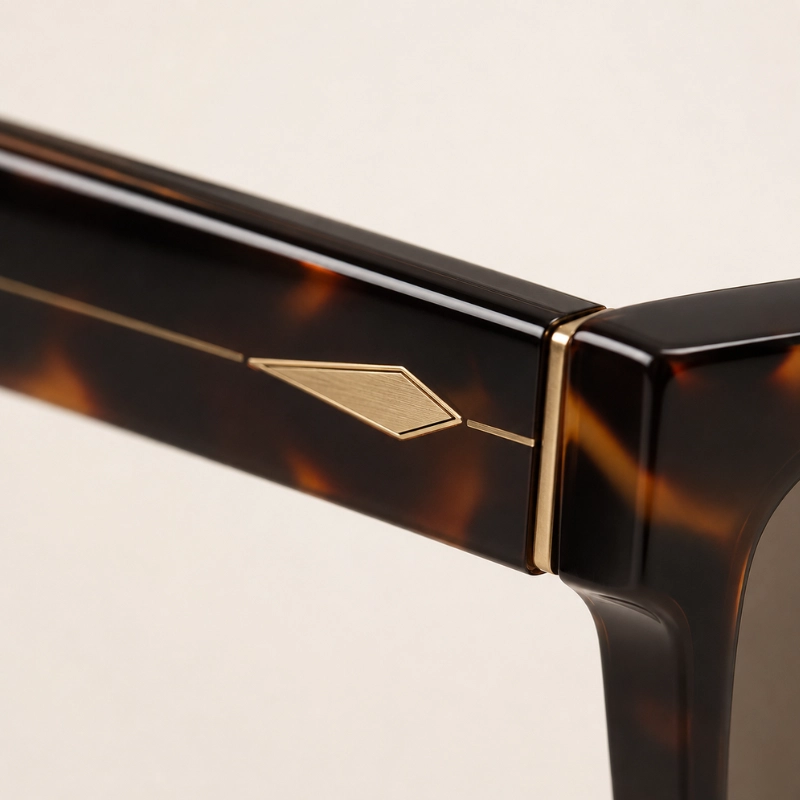
Finishing quality. Hand-polished edges, clean hinge assembly, and consistent color matching across a run are labor-intensive and easy to get wrong at a lower price point. This is usually the first thing that separates a $300 pair from a $60 one when you hold both.
Branding execution. How your logo gets applied matters more than most first-time brands expect — there are several methods, and the wrong one for your material or price point can make an otherwise good frame look like a promotional giveaway.
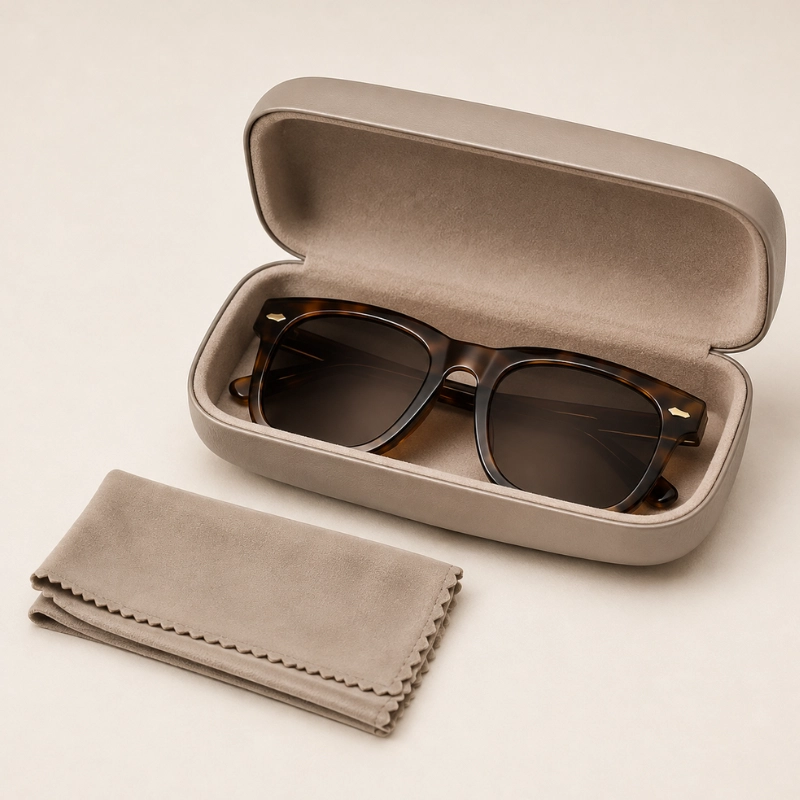
Packaging and unboxing. A case, a cleaning cloth, and inserts add real unit cost, but they’re also often the first physical thing a customer touches — the packaging tier should match your price point, not just your budget.
The story you’re actually telling. Material and finishing justify the price rationally; the brand narrative — what the product stands for, who it’s for, why it looks the way it does — is what makes someone want to pay it emotionally. This is the part a factory can’t build for you.
What Happens When Brands Skip the Story and Just Mark Up
The failure mode here is common enough to name directly: a brand takes a decent frame, adds a logo, and prices it at $250 because that’s what the category “should” cost. No material upgrade, no finishing investment, no packaging thought, no positioning. The frame doesn’t feel like $250 in a customer’s hands, because nothing about it was built to feel like $250.
That inventory usually ends up discounted within a season, which does more damage than pricing it honestly from the start — a brand that’s been marked down once has a much harder time asking full price again.
A Practical Way to Think About Where to Spend
Most first-time brands don’t have the budget to max out every lever at once, and they don’t need to. A useful order of priority: get the material and finishing right first, since that’s what a customer actually touches and feels. Get the logo application right second, since a cheap-looking logo undermines everything else. Packaging comes third — it matters, but a strong product in modest packaging still outsells a mediocre product in an expensive box. Brand story and marketing can scale up as revenue does; they don’t need to be perfect on order one.
This is also where order size matters. Testing this formula on a smaller first run — rather than committing to a full production order before you know what’s actually landing with customers — is usually the more sensible starting point.
Frequently Asked Questions
Is a 10x markup on sunglasses actually normal, or is that excessive?
It’s standard for the category, not a sign of price-gouging. Even mainstream, non-luxury sunglasses brands routinely price at 8–12x landed cost once brand development, marketing, and channel margin are factored in. Luxury and designer positioning can push that multiple higher still.
Does a higher retail price require custom tooling or a new mold?
Not necessarily. Many brands build strong pricing on existing frame styles, focusing their investment on material upgrades, finishing, logo, and packaging rather than a new mold. Custom tooling matters more once a style is proven and you’re scaling a signature silhouette.
How much of a first order’s budget should go toward packaging versus the frame itself?
There’s no fixed ratio, but packaging shouldn’t out-cost what it’s protecting. A useful gut check: the case and presentation should feel proportional to the retail price you’re asking for — under-invest and it feels cheap, over-invest and you’re paying for something the customer discards after the first wear.
Can a brand with no existing name charge a premium price?
Yes, but it has to come from the product and presentation carrying more of the weight that an established name would normally carry. New brands that price at a premium successfully are almost always over-delivering on material, finishing, or packaging relative to what the price alone would suggest.
What’s the most common pricing mistake first-time brands make?
Pricing based on what the category “should” cost rather than what their specific product actually justifies. A frame priced to match premium competitors, without the material or finishing decisions that back that price up, usually ends up discounted within a season.
That markup isn’t earned by the price tag alone — it’s earned page by page, decision by decision, starting with getting the private label process right from the first order.
Let's get started!
Get in touch with a custom eyewear specialist now for a free consultation and instant price quote.
WHATSAPP ME GO!
📱 Scan with your phone to start chatting